
What Loro Piana Teaches Us That a Cashmere Label Won’t
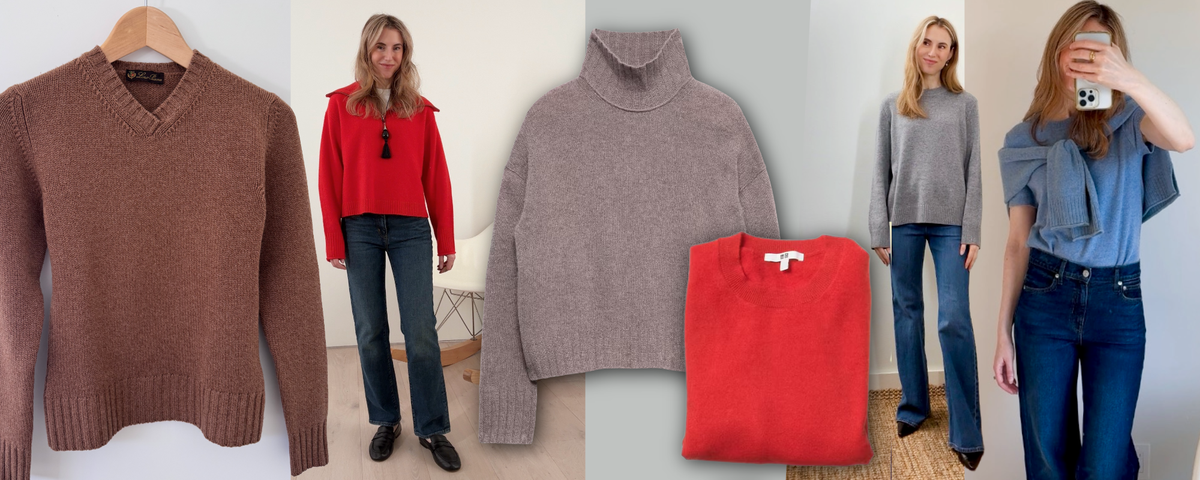
Watch the Video | Shop My Picks
Returns are getting more difficult, and brands are giving us more and more quality promises about their cashmere. A decade ago, descriptions like "pure" or "Mongolian" sufficed. Then we experienced a wave of sustainability certifications. This year, I'm seeing more "Grade-A" mentions.
Like an A at certain colleges notorious for grade inflation, cashmere's Grade A has no universal definition. It’s an industry convention, and the cutoffs vary by who’s grading. The most commonly cited figures are 14–15.5 microns and 34–36mm fiber length. Some even go up to 40mm. Quince’s Grade-A cashmere measures 15.8–16.2 microns. Our hair is about 75 microns. A lower micron count correlates to a silkier feel. Fibers are spun together into yarn, and longer fibers create stronger, smoother yarns. These yarns potentially resist pilling better.
Pilling risk goes down the tighter the yarn. Yarns that are spun loosely tend to have more surface fuzz. Surface fuzz that rubs together forms those little balls we call pills. So fuzz + friction lead to pilling. Fuzz is due to the yarn, from the fibers to the spinning, the knitting (loose to tight), and the finishing (brushed cashmere = surface fuzz). Friction is how the sweater is worn: under a lined blazer (low friction) versus rubbing up against a textured handbag (high friction).
I love to see more Grade-A cashmere. J.Crew's Grade-A Premium knit comes second to Loro Piana for its hand feel, whereas last year's Signature came fifth. But the grade is just one factor, and Loro Piana doesn't even acknowledge it. Instead, Loro merely specifies "100% Cashmere" or "100% Baby Cashmere." It's on us to learn the markers of high quality. I made this guide because comparisons help you decide where each sweater is worth the money. I'd want an affordable option for a new color in a chunky crewneck, and I know I'll wear a half-zip a lot, so I'm good spending more on a softer knit.
Methodology
Density is how much yarn fills a given area. It explains warmth and whether a sweater works as a dainty layer or as your winter workhorse. You can see how many stitches there are per inch (the gauge), but the naked eye can't typically catch the weight of the yarn: is it airy or twisted tightly? So I tested how much light each sweater passes. The more yarn there is per square inch, the less light passes through. This test measures how open the knit is, not how it pills or wears.
Photography: I used an LED panel set to a consistent temperature and intensity, and I shot each sweater in the same dark room with the same ISO and shutter speed.
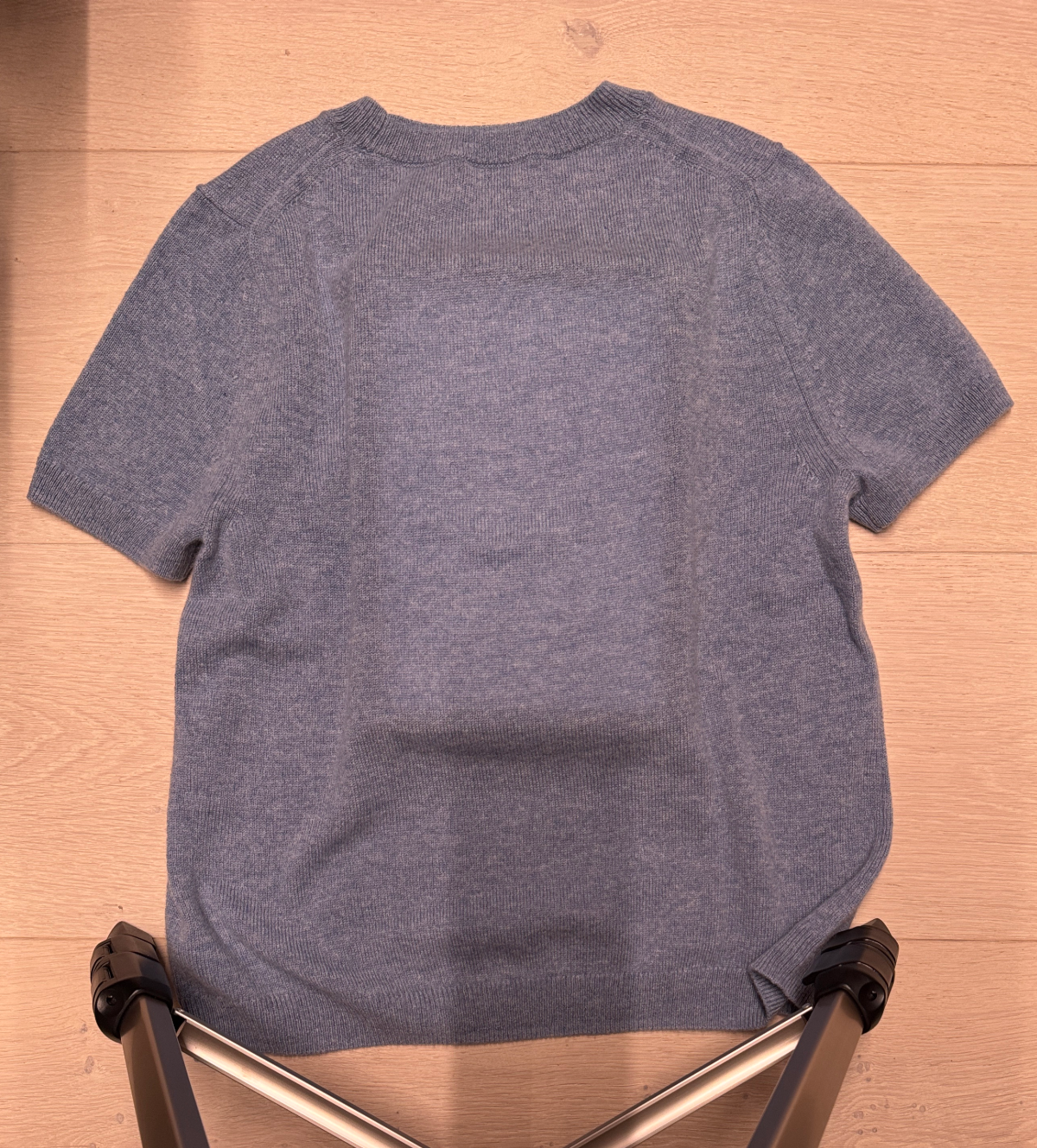
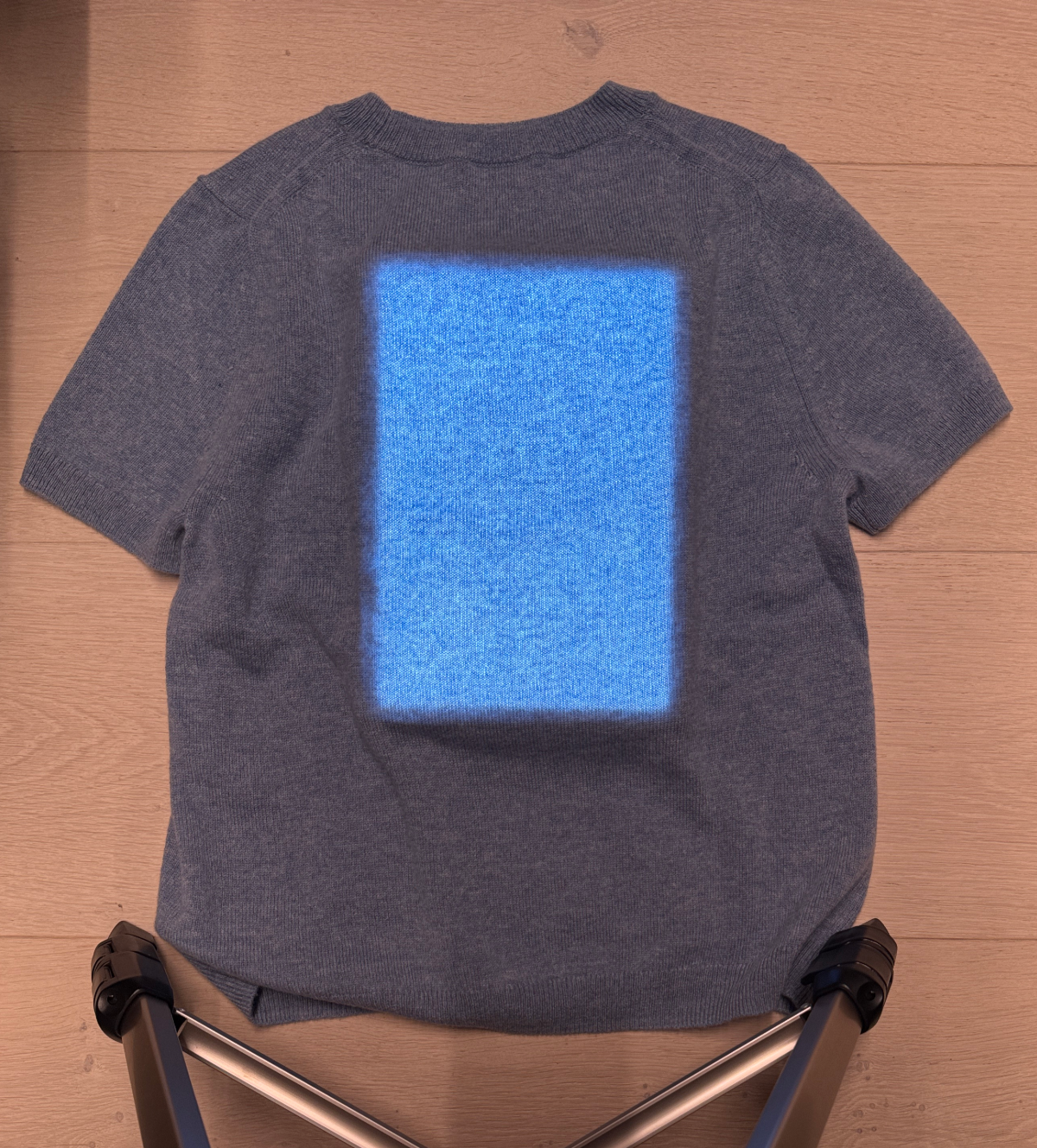
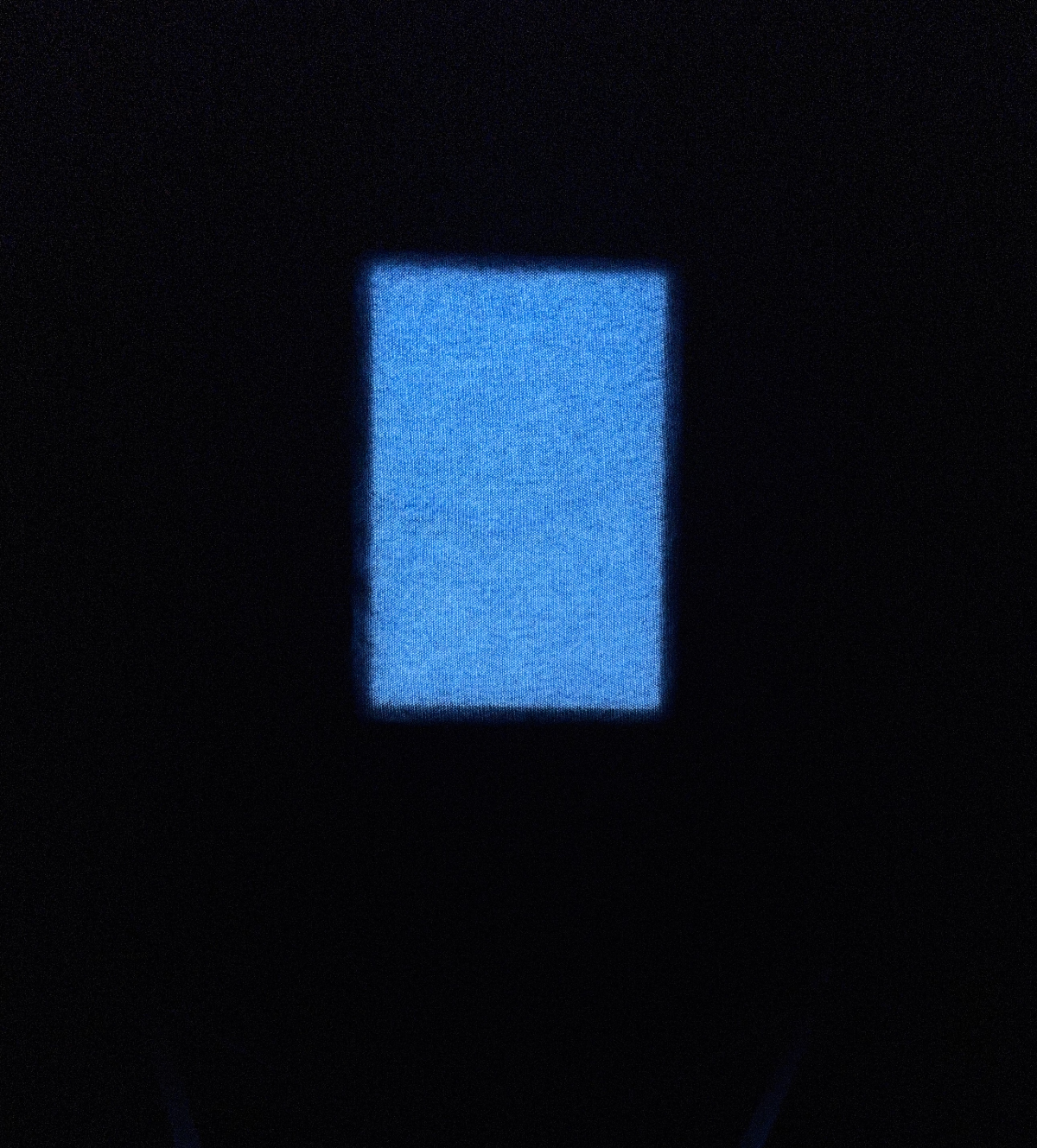
The Quince cashmere tee in room light, in room light with the LED panel lit, in darkness with the LED panel lit
Math: A red sweater blocks most light by color alone, so I also measured how much light each one reflects and divided it out. Below, each sweater over the LED panel in a dark room, in color and in grayscale. The numbers rank them from densest (1) to most open (7) after that correction. Grayscale shows only how much light got through, before any correction for color. That’s why the red sweater (3) looks darker than its knit is.
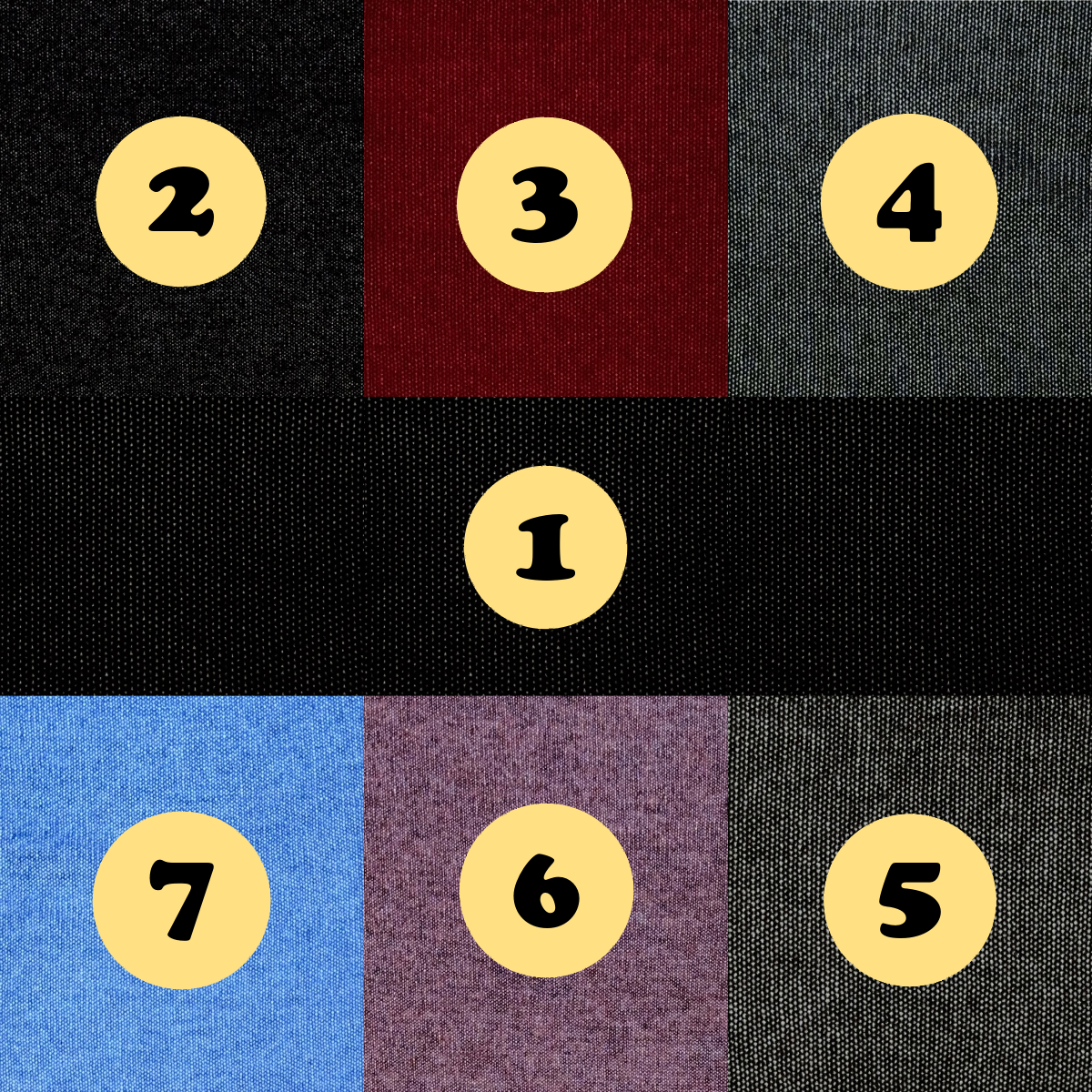
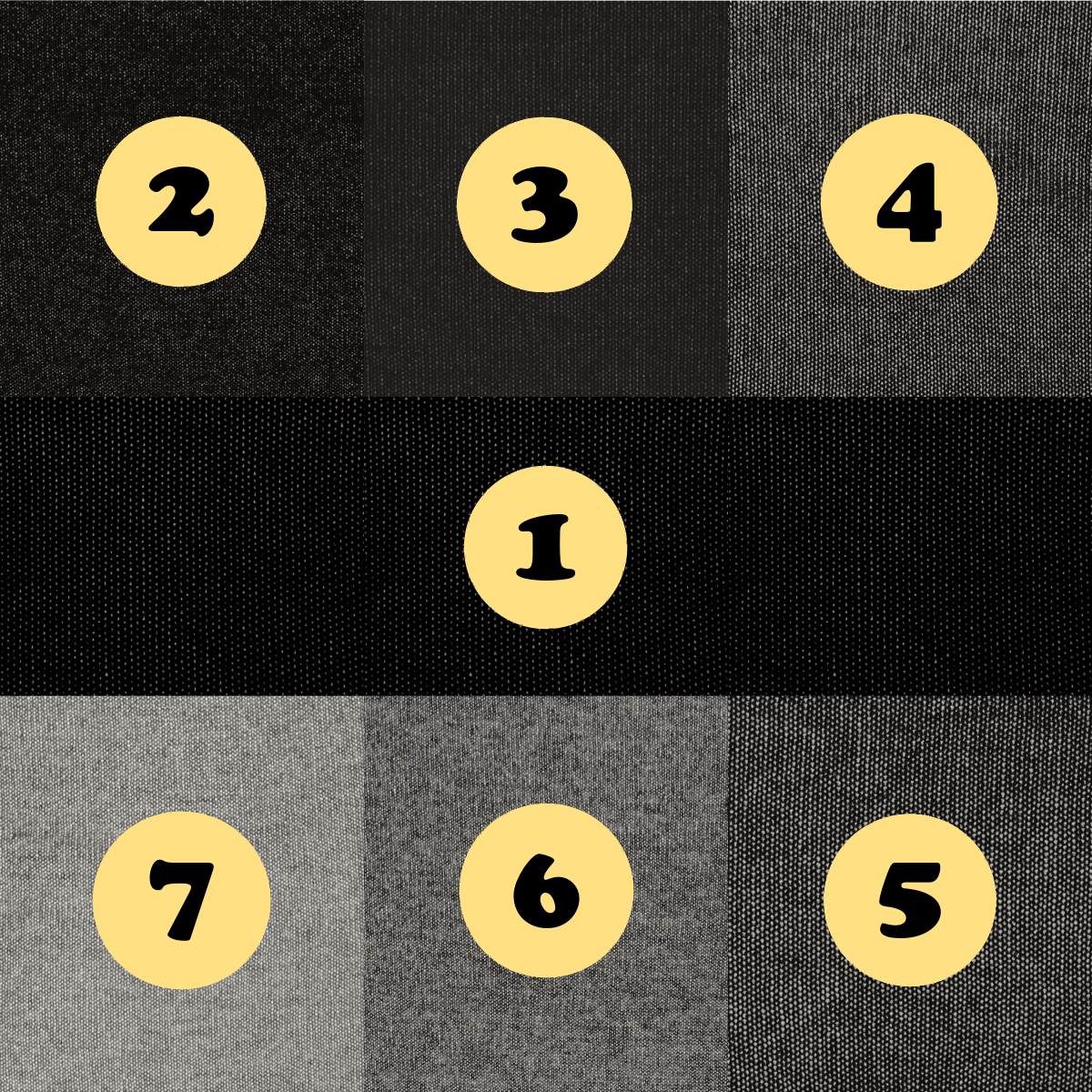
Density rank:
- Loro Piana
- J.Crew Signature
- J.Crew Premium
- Quince Oversized
- Banana Republic Midweight
- Uniqlo
- Quince $50 knit
Caveat: the index is a ranking, not a measurement. The sweaters that blocked the most light had very similar results.
Grouping: each brand uses the same knit across several styles, which I call a line. Each review covers one line. I name the exact sweater I tested, plus other styles in that line. Density and linking results are for the sweater I tested.
Hand-feel rank (subjective):
- Loro Piana
- J.Crew Premium
- Banana Republic
- Tie: Quince Oversized and $50 knit
- J.Crew Signature that's not Grade-A
- Uniqlo
Alphabetical List of Lines
Banana Republic Midweight
J.Crew Premium
J.Crew Signature
Loro Piana 6 gauge
Quince $50 knit
Quince Oversized Sweater Knit
Uniqlo Cashmere
Some reviews are for paid subscribers only