
Prada Cut a Corner on an $1,890 Boot – and $150 Boots That Didn't
I need one more bite of that cake, one more ride on the rollercoaster, just one more night in Maui, and not getting clarifies my limits all too tangibly. Luxury is the promise of all the bites you could dream of, served to you at the perfect temperature on a beautiful plate as you sit on a chair so comfortable you forget there's any other way to experience life. A luxury shoe is an uncompromising style, made in the best materials to realize it, crafted with the skill to bring out its best. Or it should be.
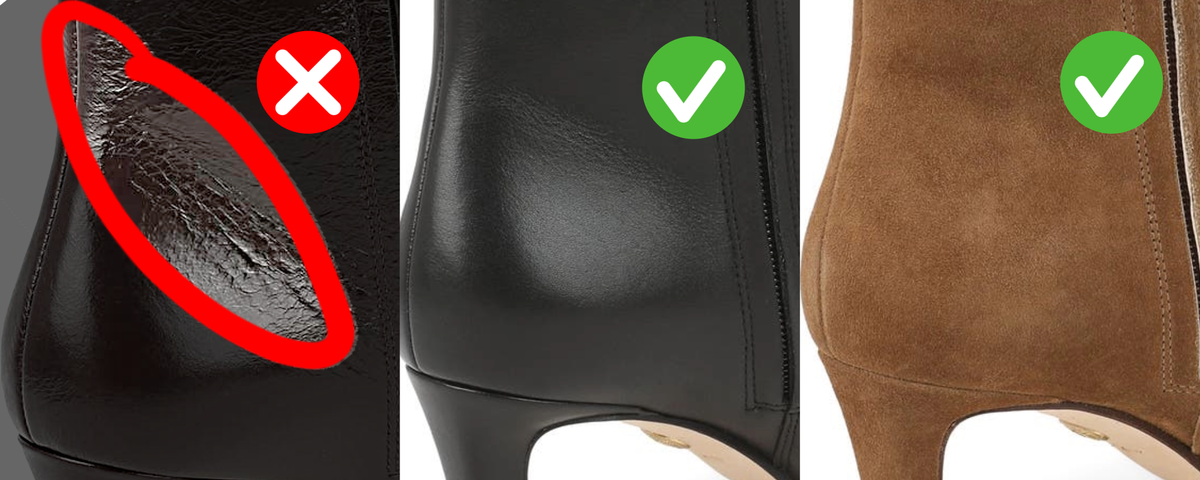
Prada offers this version of luxury alongside a boot that's got a glaring mid-tier flaw, the kind of quality lapse that results from rushed production, subpar leather, or lack of coordination between design and materials. I frequently spot these issues at $400-600 boots, so let's use this $1,890 Italian-made boot as a cautionary tale.
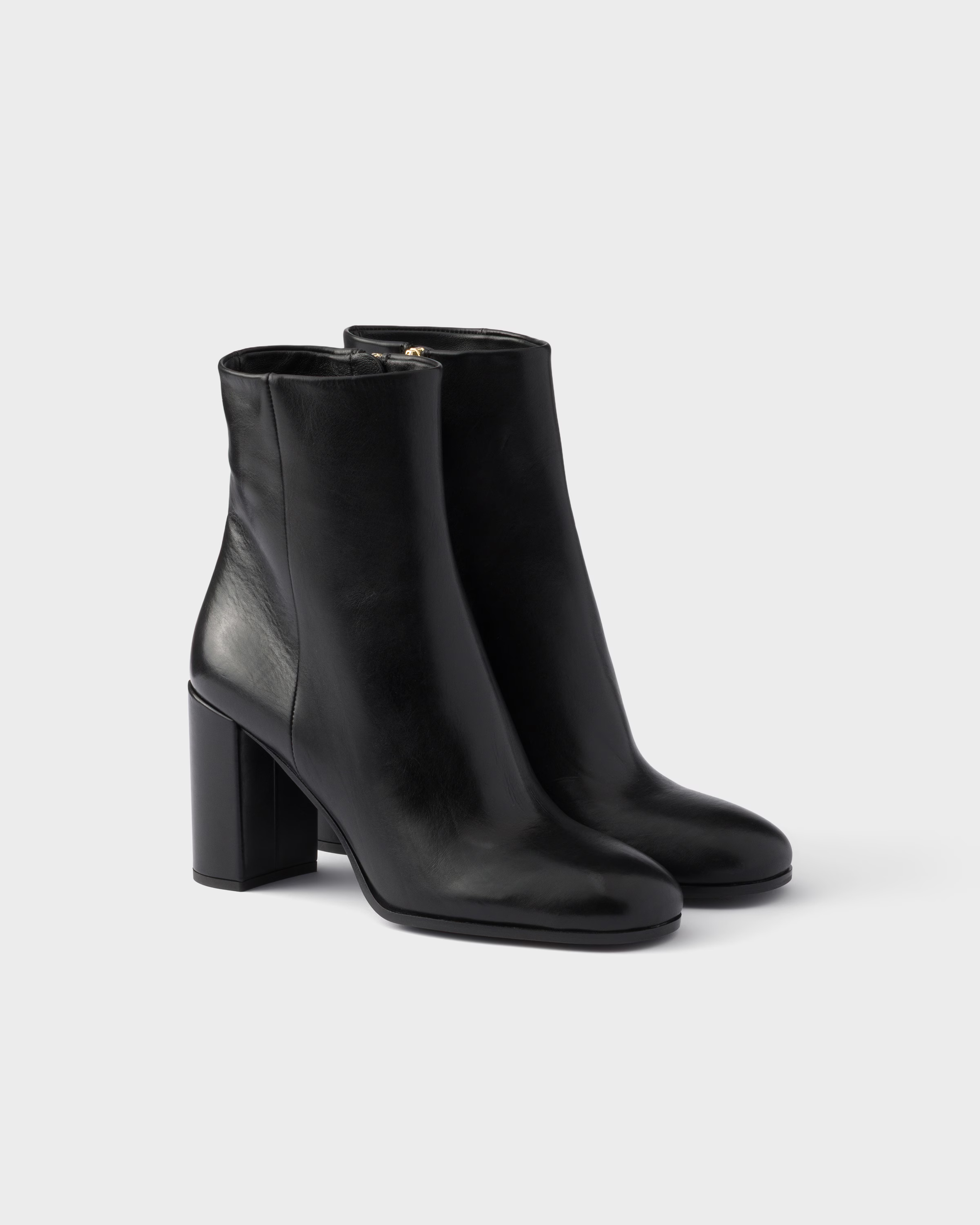
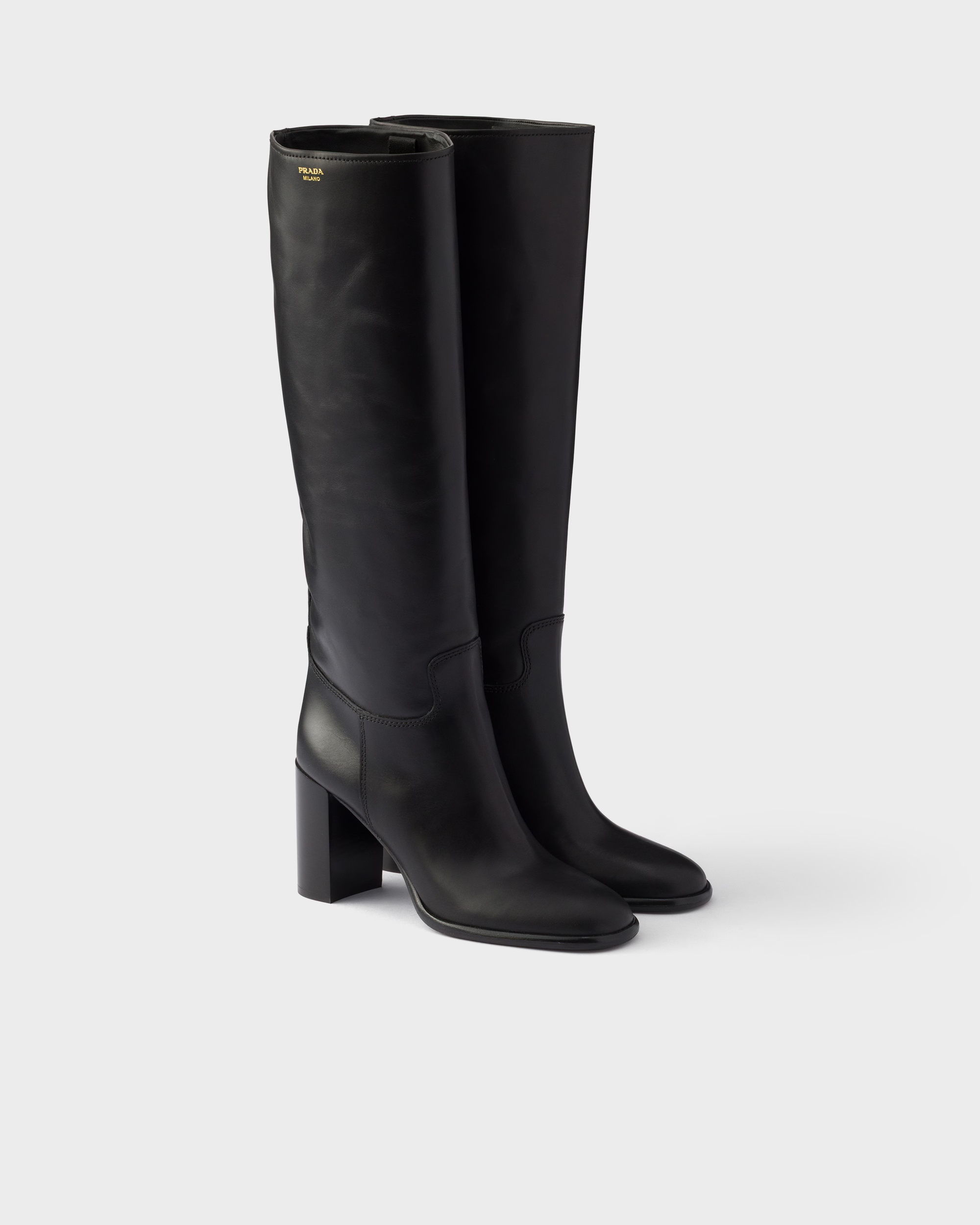
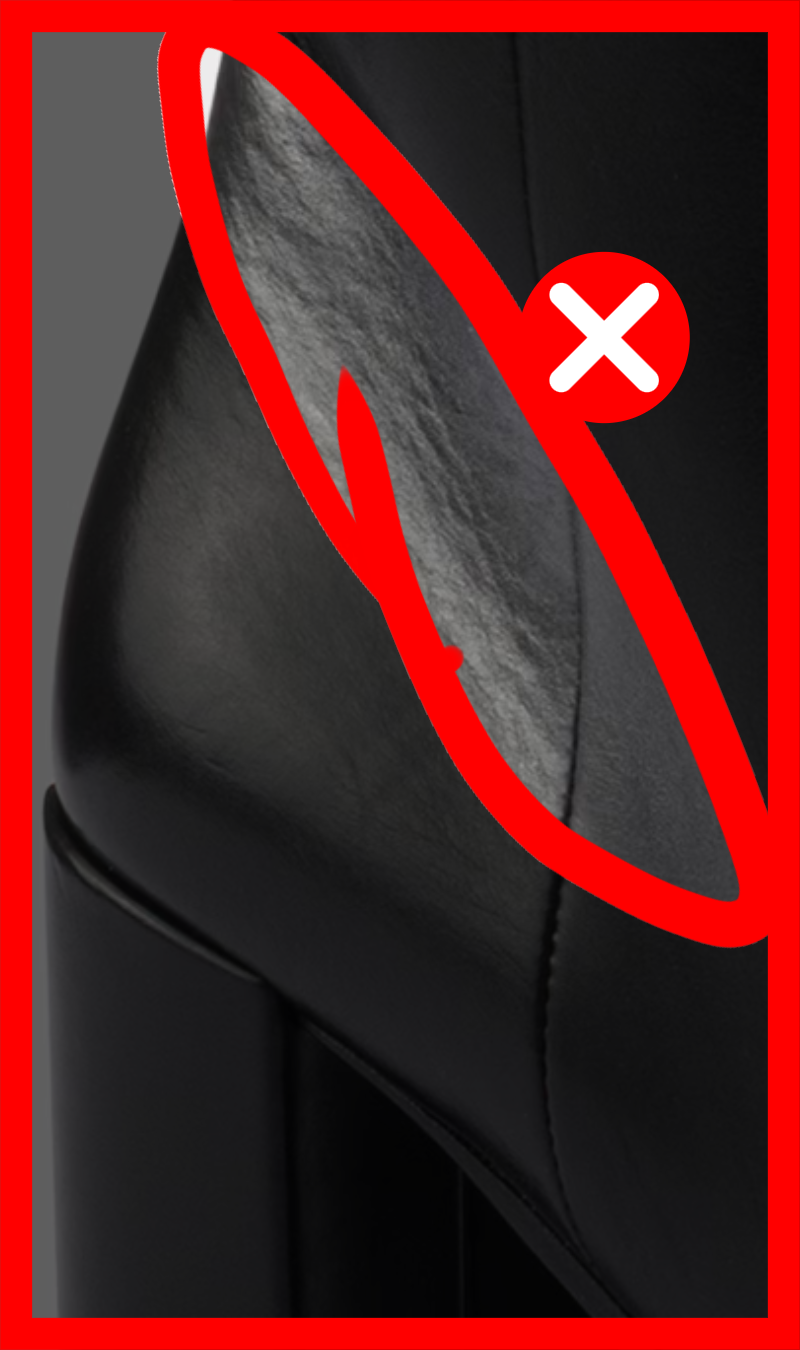
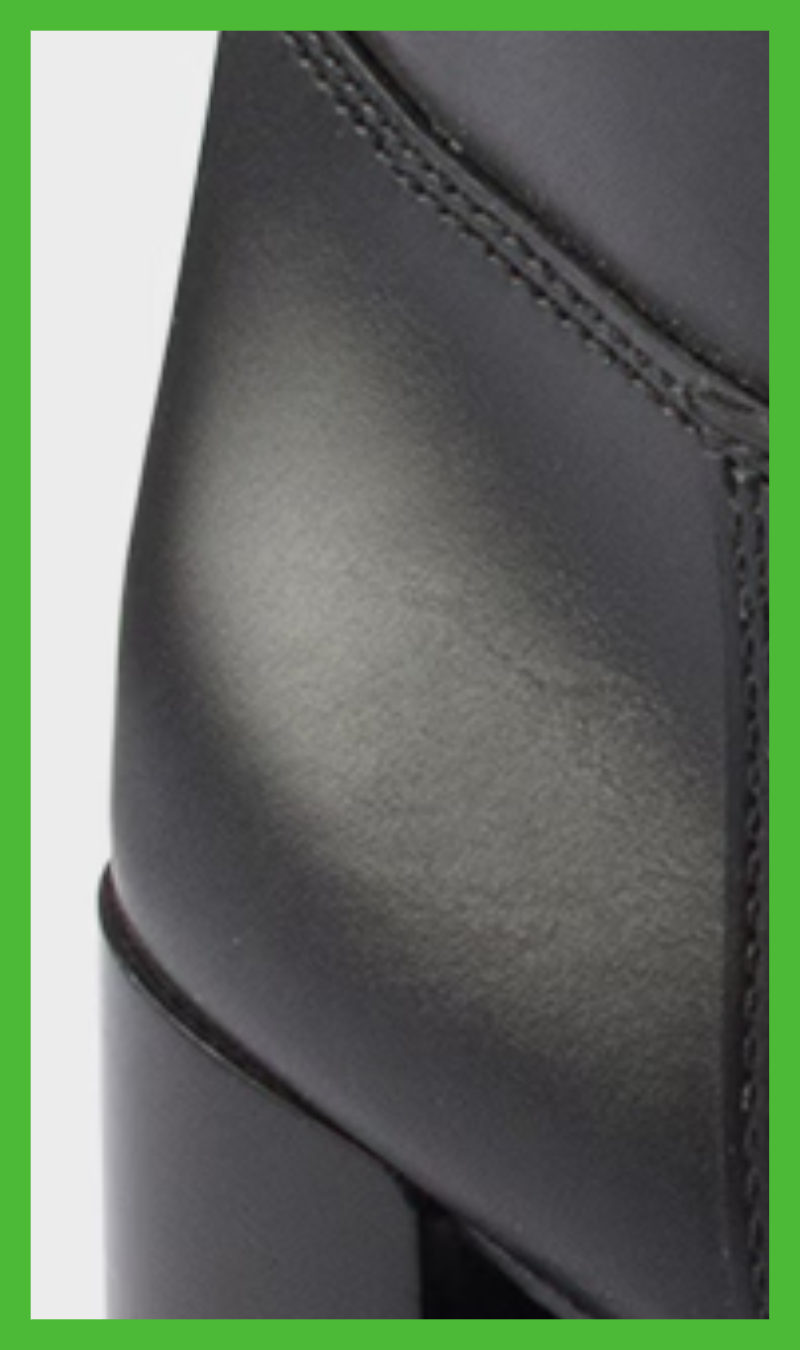
Prada leather booties $1,890 and boots $2,500; their respective heel counters, bootie marked in red
The Problem
The back of the shoe rarely commands prime attention, but it's where comfort meets beauty. The part that holds the heel of your foot is called the heel counter, and it's constructed with a stiff arch shaped to the foot's contours. A bad fit causes blisters, and a good fit adds stability right where your foot lands with each step.
Since it's usually ignored, the back of the shoe is a prime location for cost cutting, starting with materials. The internal structure is ideally made in leather for dress shoes, but cost cutters can opt for cardboard or plastic.
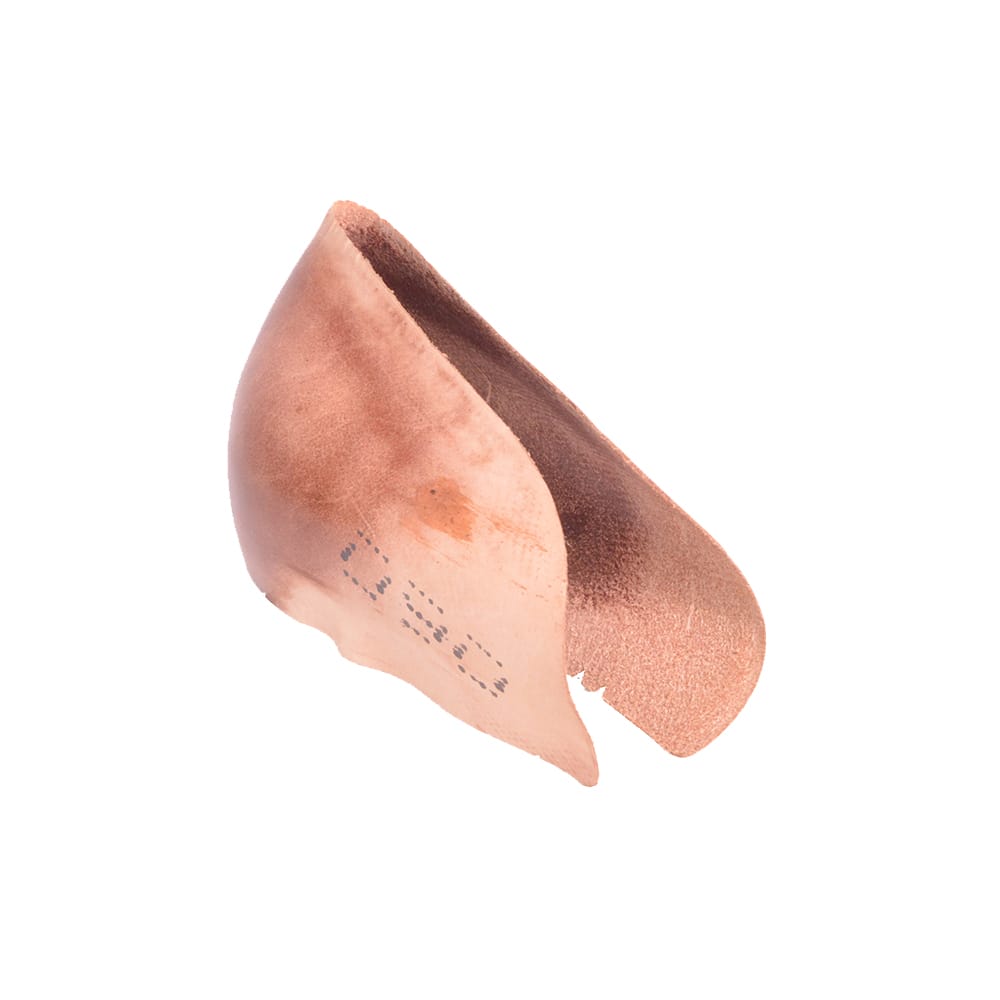
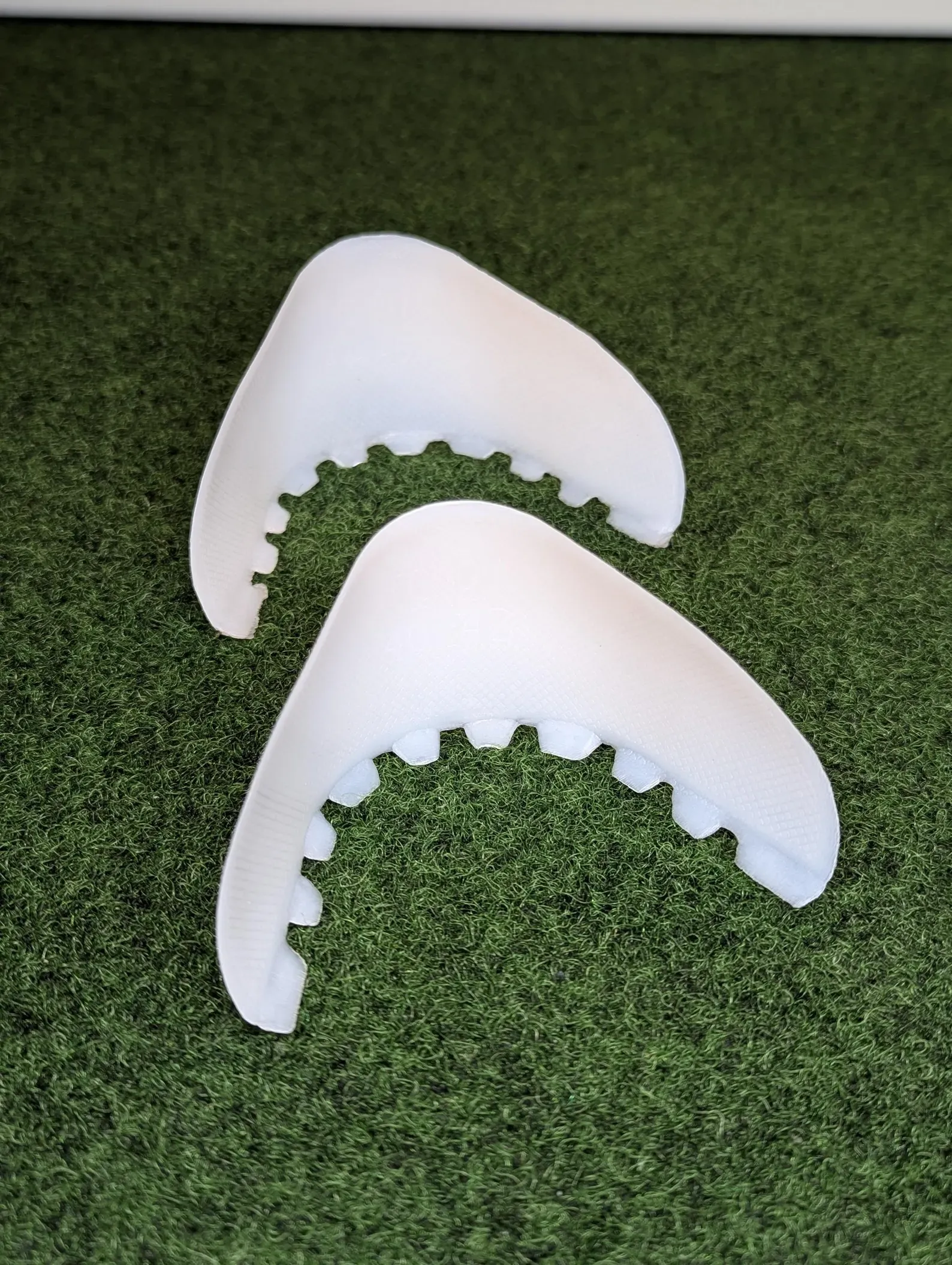
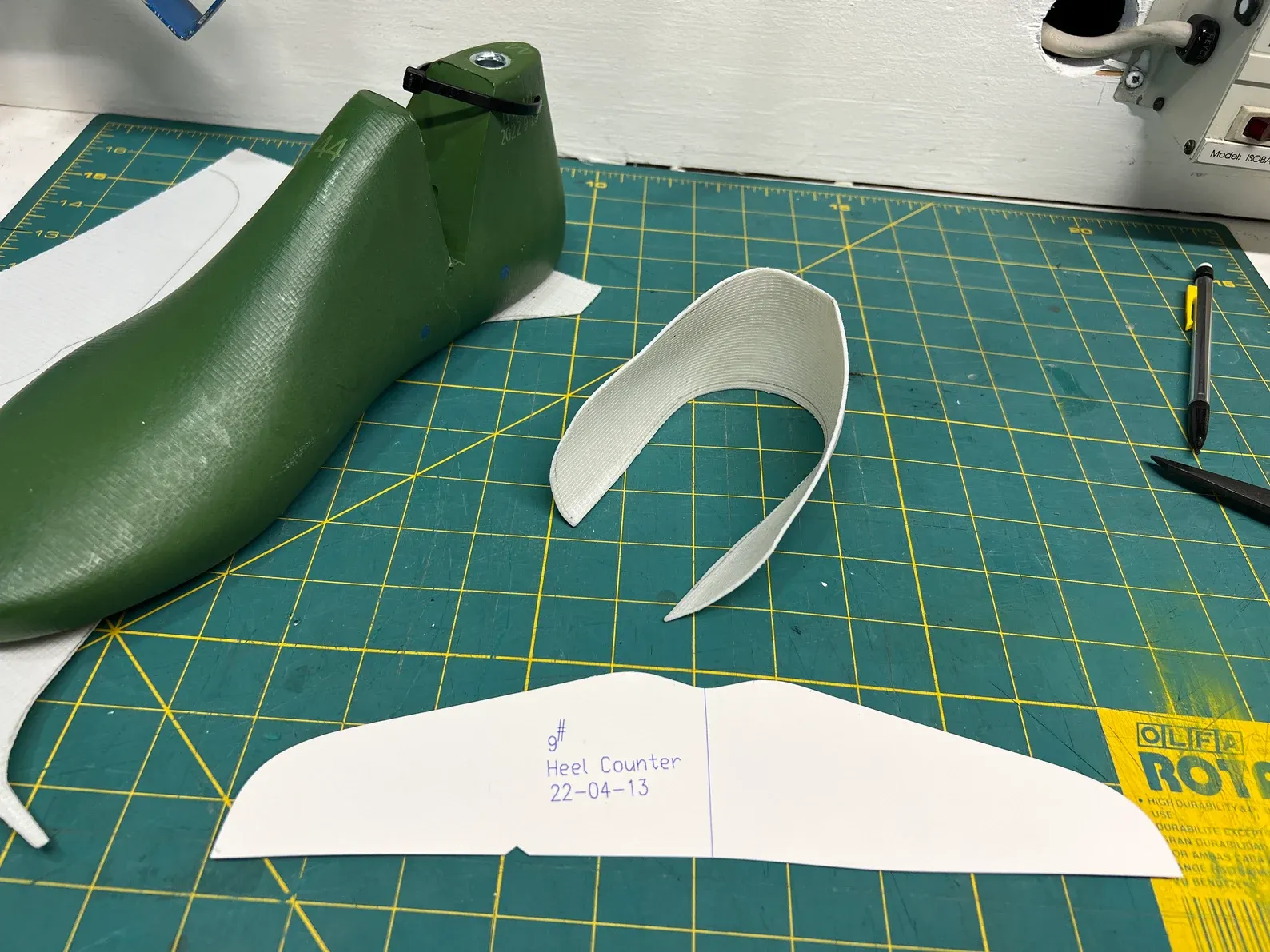
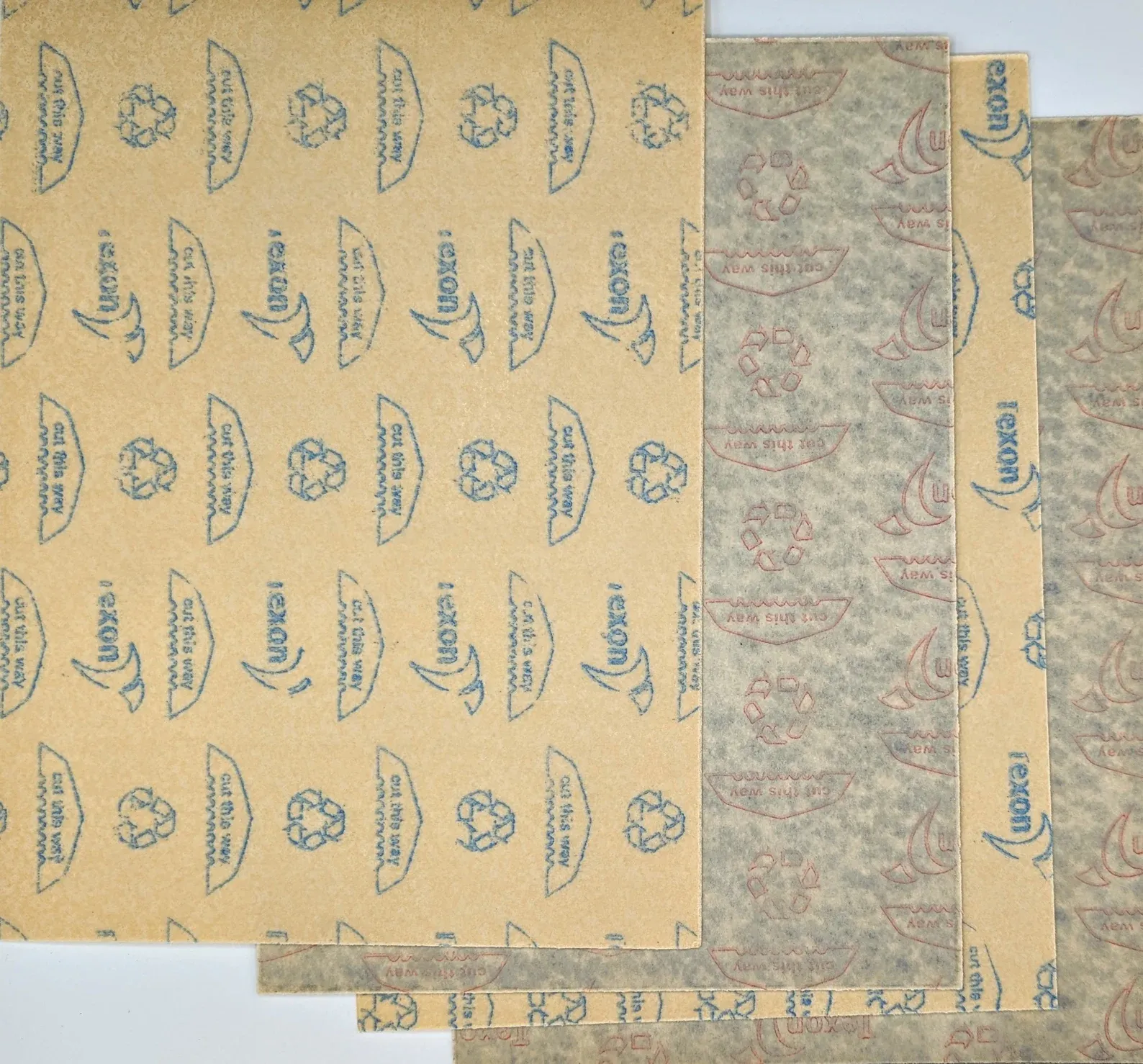
A leather heel counter; plastic heel counters can be an ideal option for performance sneakers; DIY heel counter; sheeting used to create heel counters
It's much more expensive to sculpt a specific mold for each shoe style and size – this mold is called a last – than to reuse a generic shape made of blobby lines with no inflection points, no valleys, no differentiation.
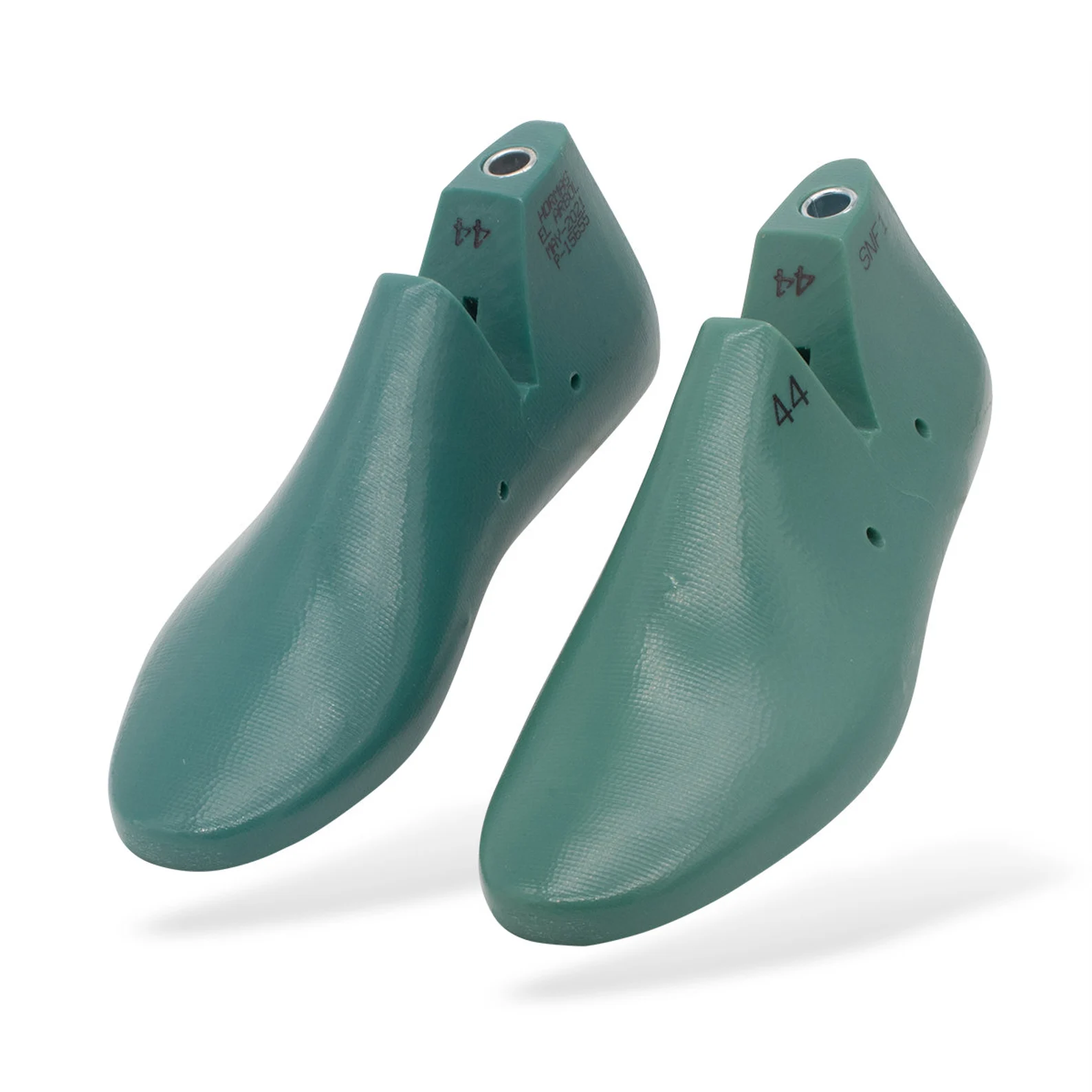
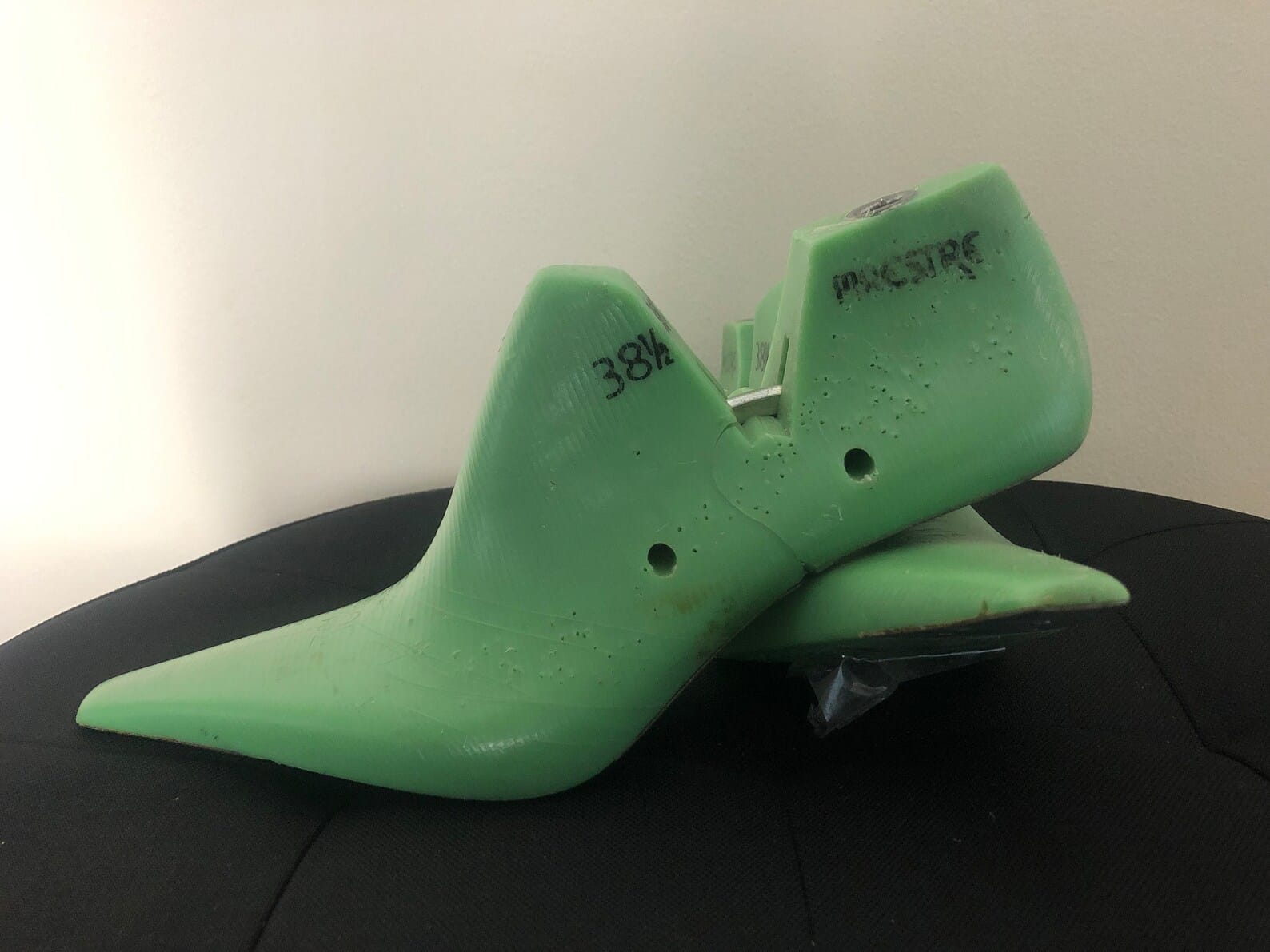
Shoe lasts: men's sneakers (with the number 44 indicating size) and high heels (size 38 1/2). Compare the shapes of the heel: the women's dress shoe indents right below the ankle, and the sneaker has a less complex shape without that divot
Next, the shoemaker needs to fit the structuring layer or purchase a premade version that's just as meticulous. The cheaper alternative is a ready-made structuring piece with really simple curves that approximate the shape of a foot the way a kitchen glove approximates the shape of a hand.
When the shoe comes together, they combine the lining with this inner structure and the outer leather. Shoemakers call this step lasting. All layers are sandwiched together and shaped onto that 3D model of the shoe – the last. The more detailed the shape, the more skill and time this step requires.
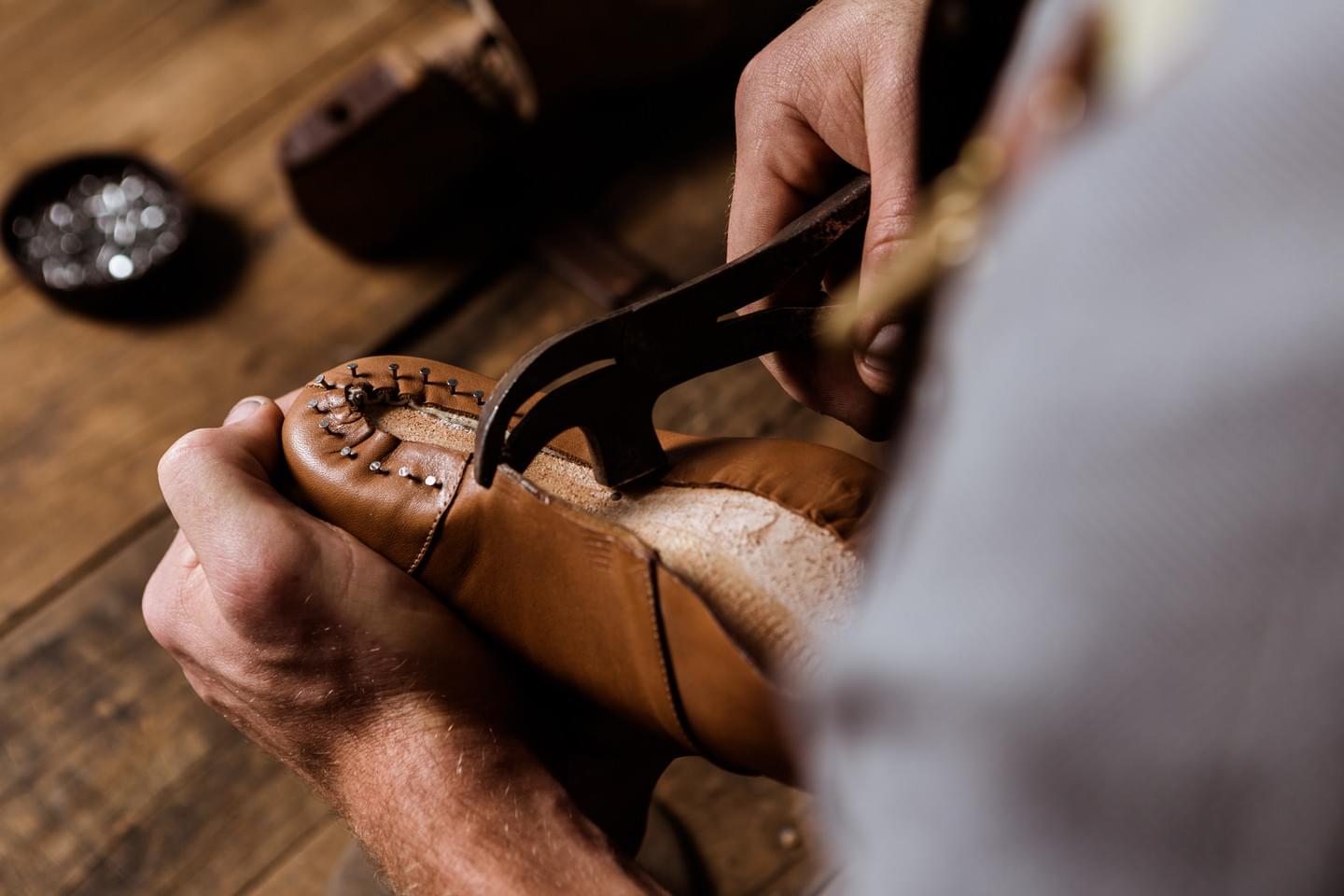
A molding machine can speed up the process. Cartoonish lines are faster to create than precise illustrations, and here, too, reductive lines mean no need to tug at one spot to tighten the leather.