
Cracking the Victoria Beckham Code: What to Buy From Her Gap Collab
Watch the Video | Shop My Picks
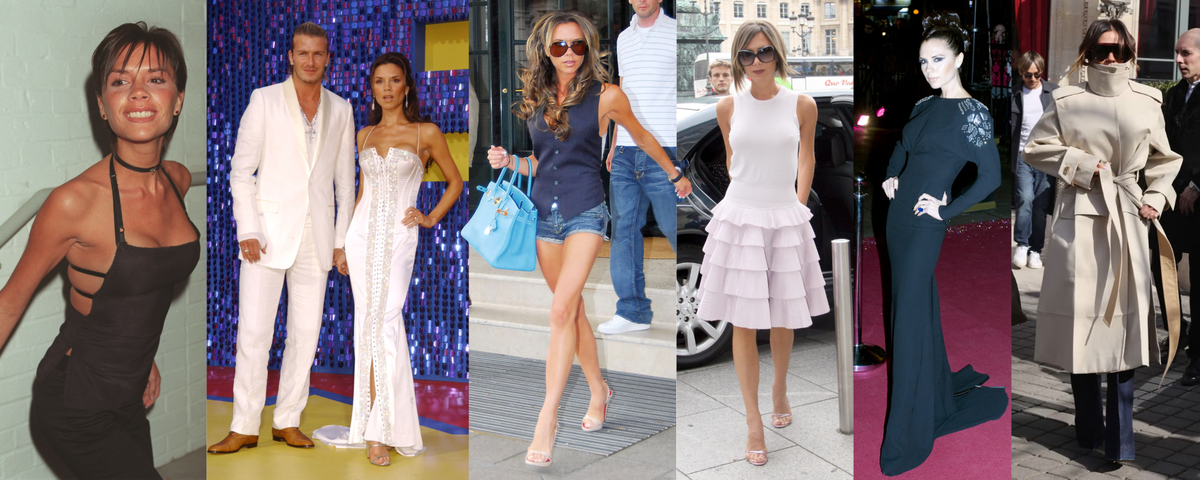
We know Victoria Beckham's chic, minimal style, a look she’s perfected for herself and for her brand, which launched in 2008. That decade, she was actually known for an entirely different look. She embodied the glam aesthetic of a WAG (wives and girlfriends) alongside her husband David Beckham in the Posh & Becks tabloid era.
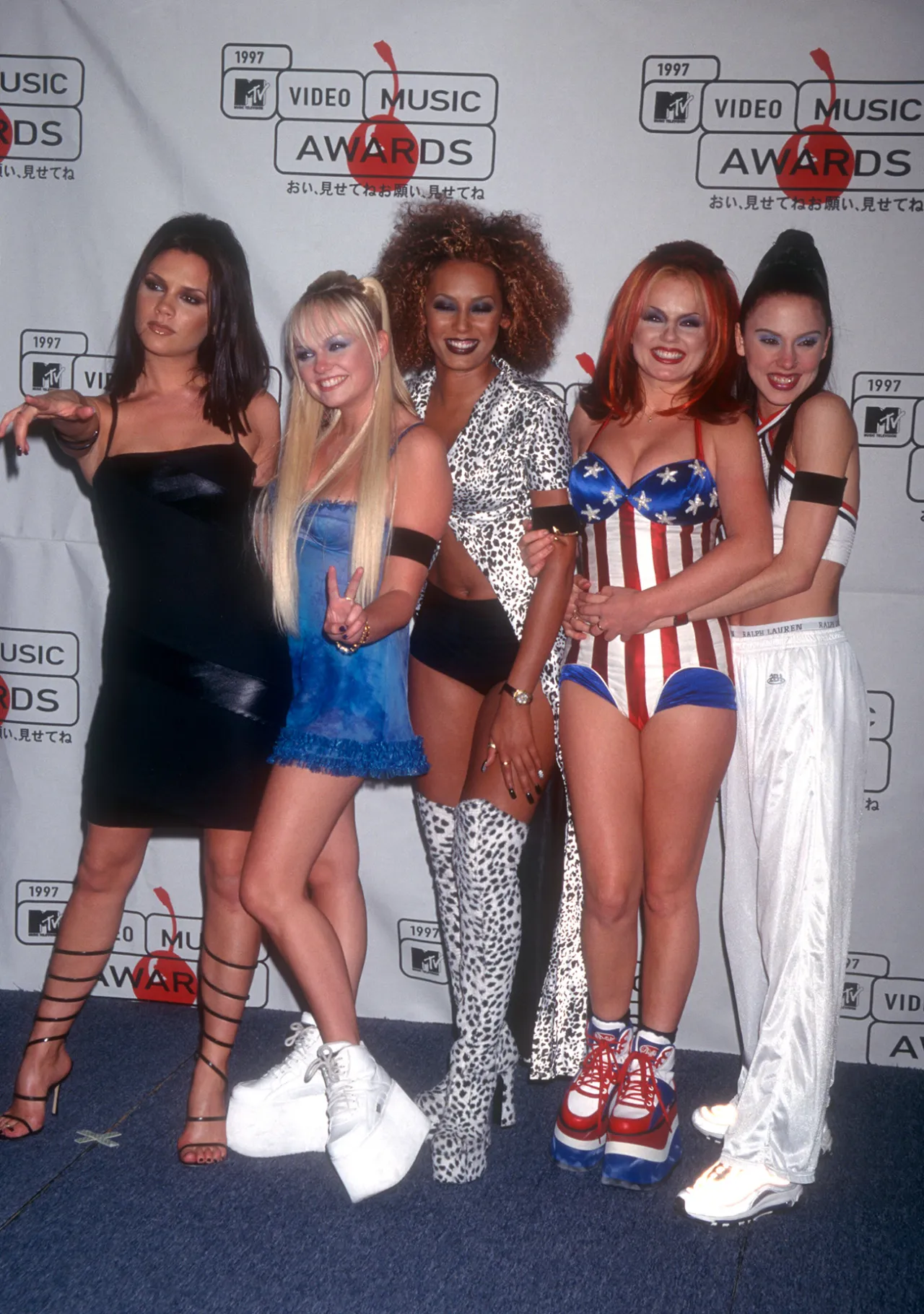
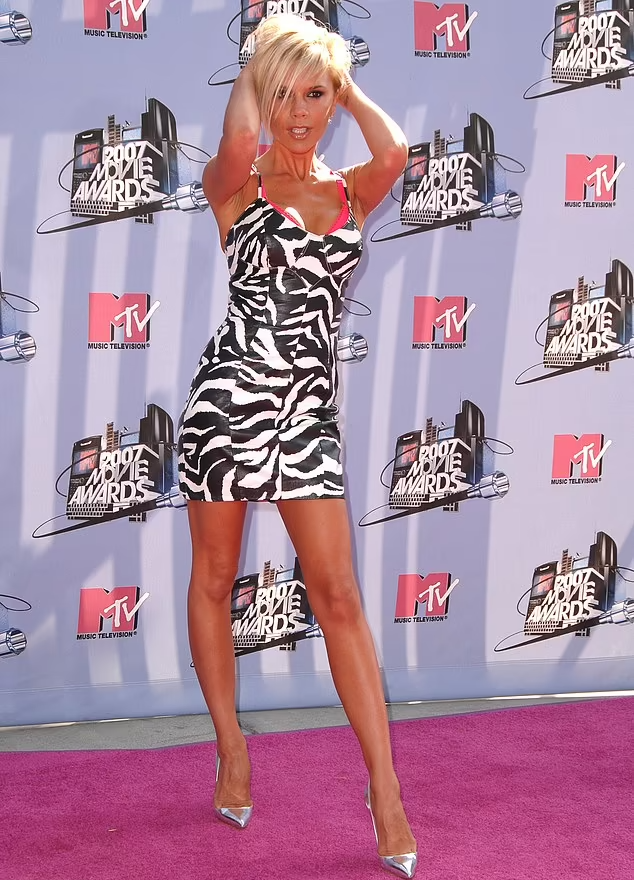
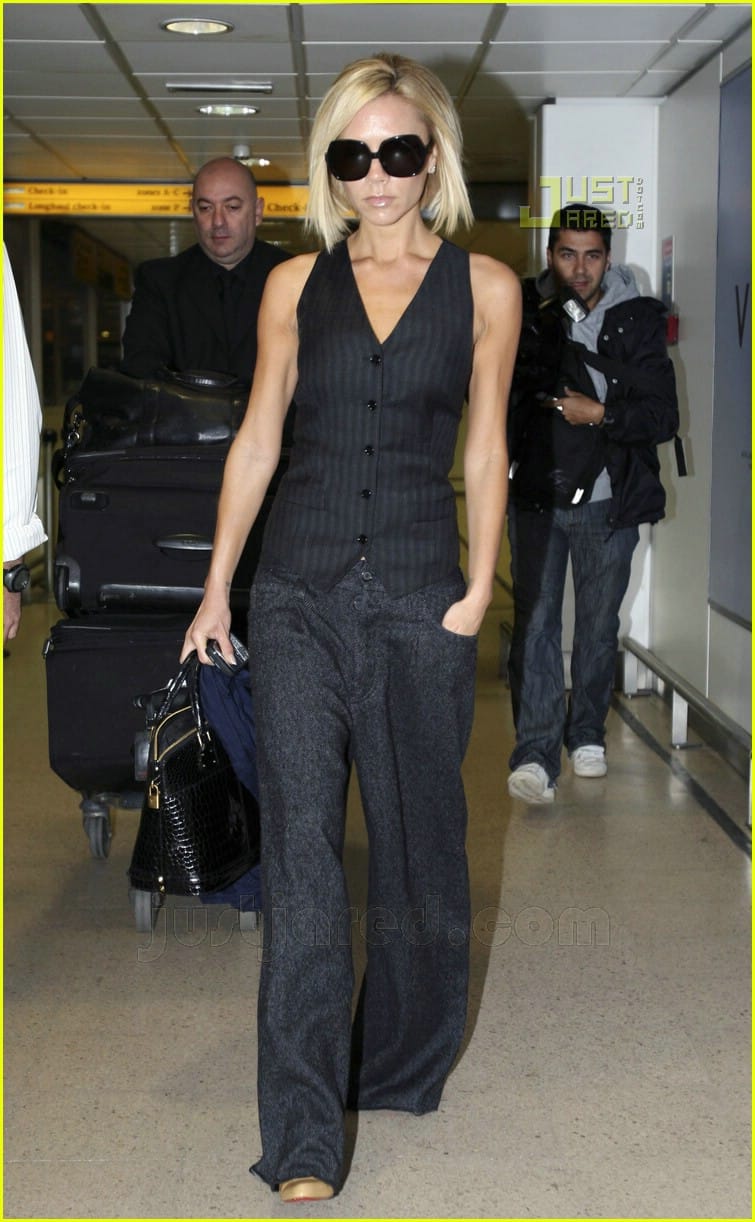
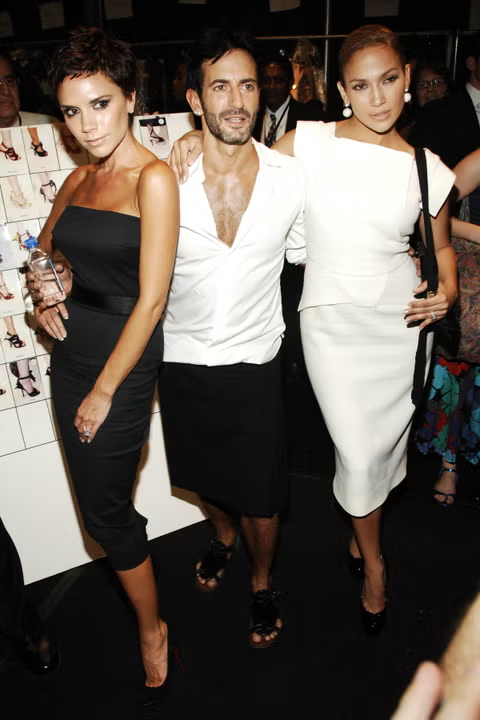
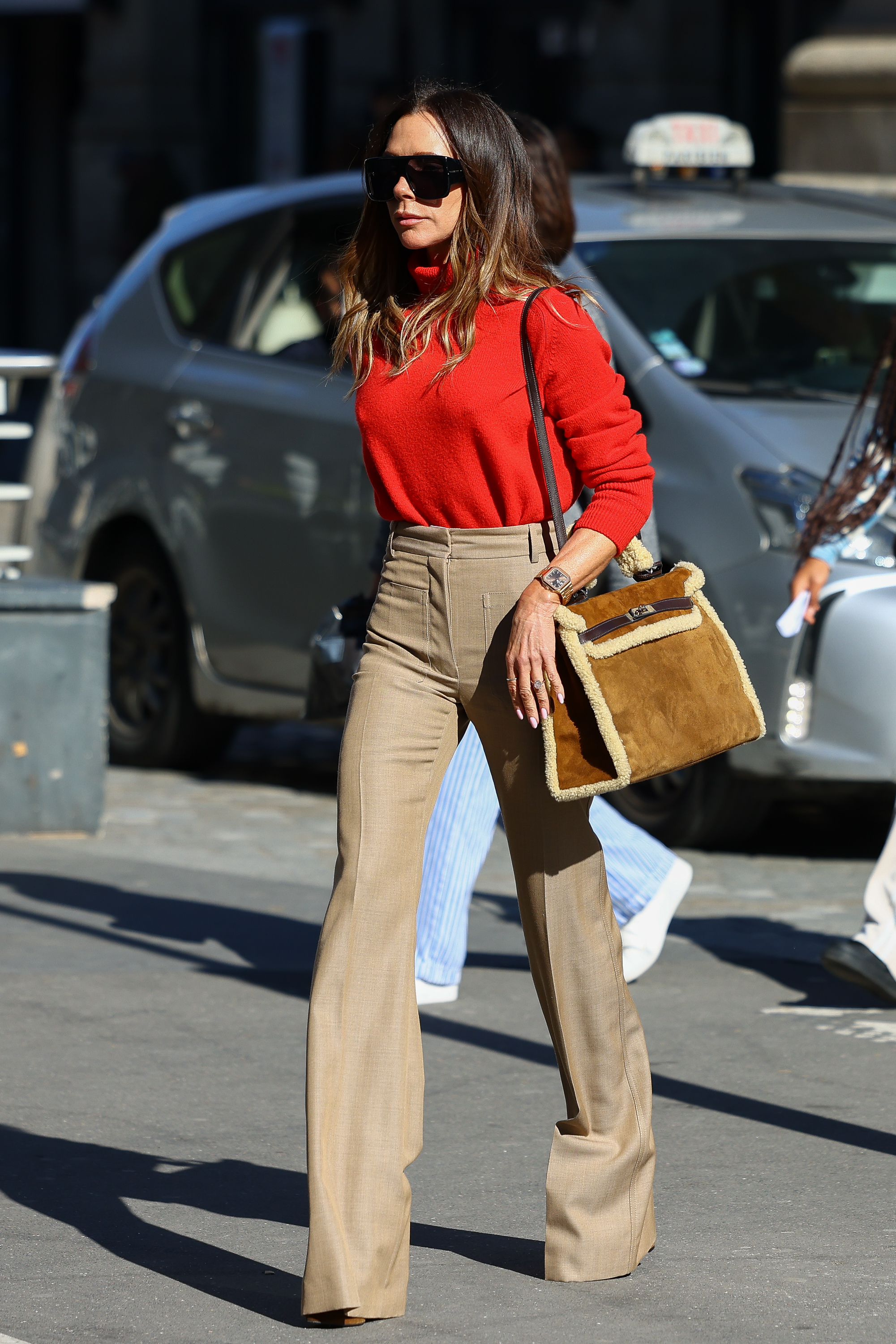
Victoria (left) with the Spice Girls, 1997; at the MTV Movie Awards, 2007; daytime look at Heathrow, 2007; Victoria Beckham wearing a dress from her debut collection at the Marc Jacobs show with Jennifer Lopez in September 2008; in Paris, 2026
Throughout her career, she's made clear, deliberate choices in her style that make it identifiable. Her second Gap collab drop just arrived, and it's a great way to decipher Victoria's style code. Some of the pieces succeed, and others – we'll source elsewhere.
Tailoring Falls Short
Victoria Beckham, the brand, first emerged with sold-out dresses, cut to fit the form without squeezing it. In subsequent collections, the brand developed a tailoring approach that also highlights the figure without revealing it.
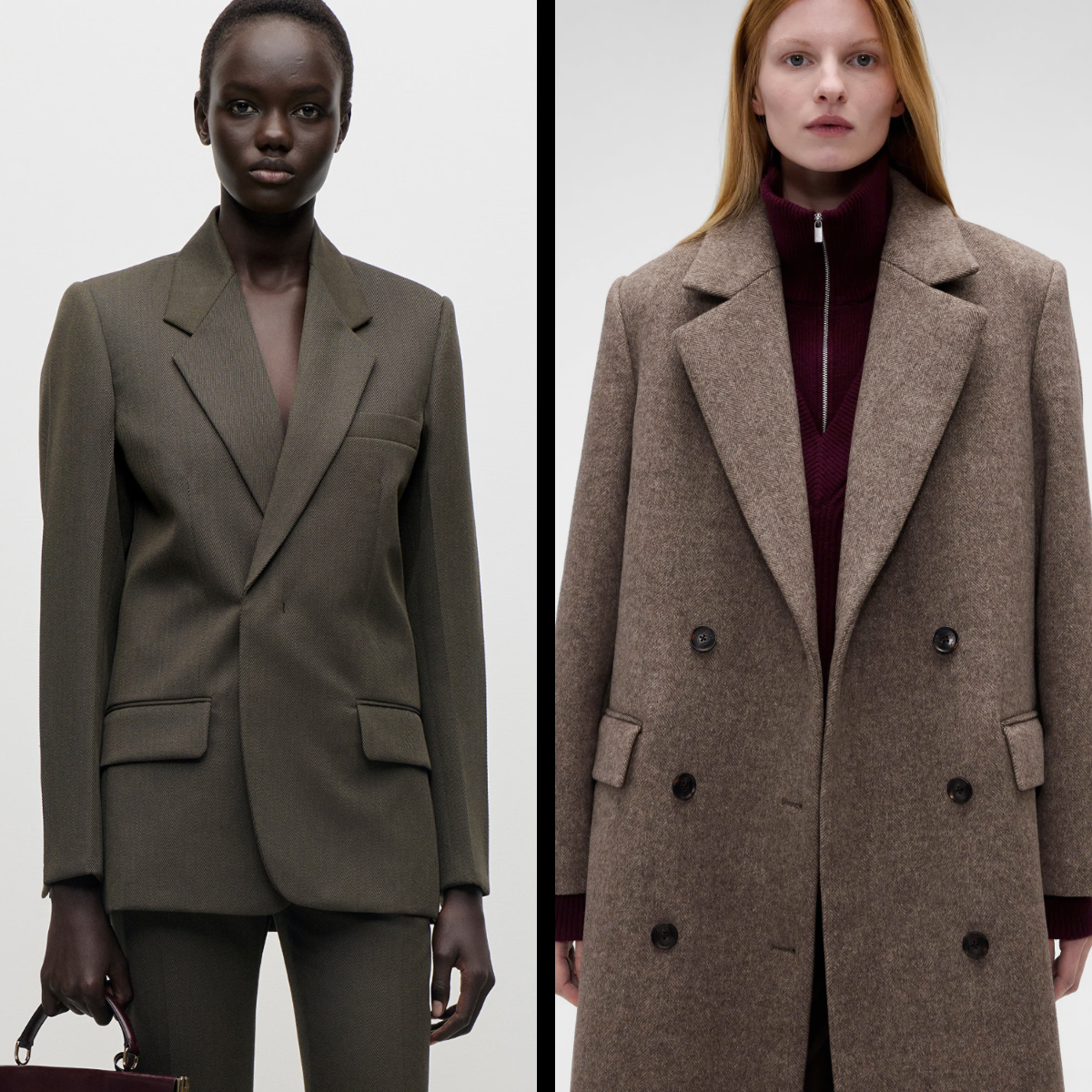
The Gap collab's tailored pieces feature her design signatures but don't deliver in terms of fabrication. The Chesterfield coat's generous lapels bring to mind Victoria Beckham's own jacket, but the composition does not. 100% virgin wool at her namesake brand, versus the Gap collab's 52% recycled wool, 40% recycled polyester, 8% other. The prices: $1,650 for her blazer and $368 for the Gap coat.
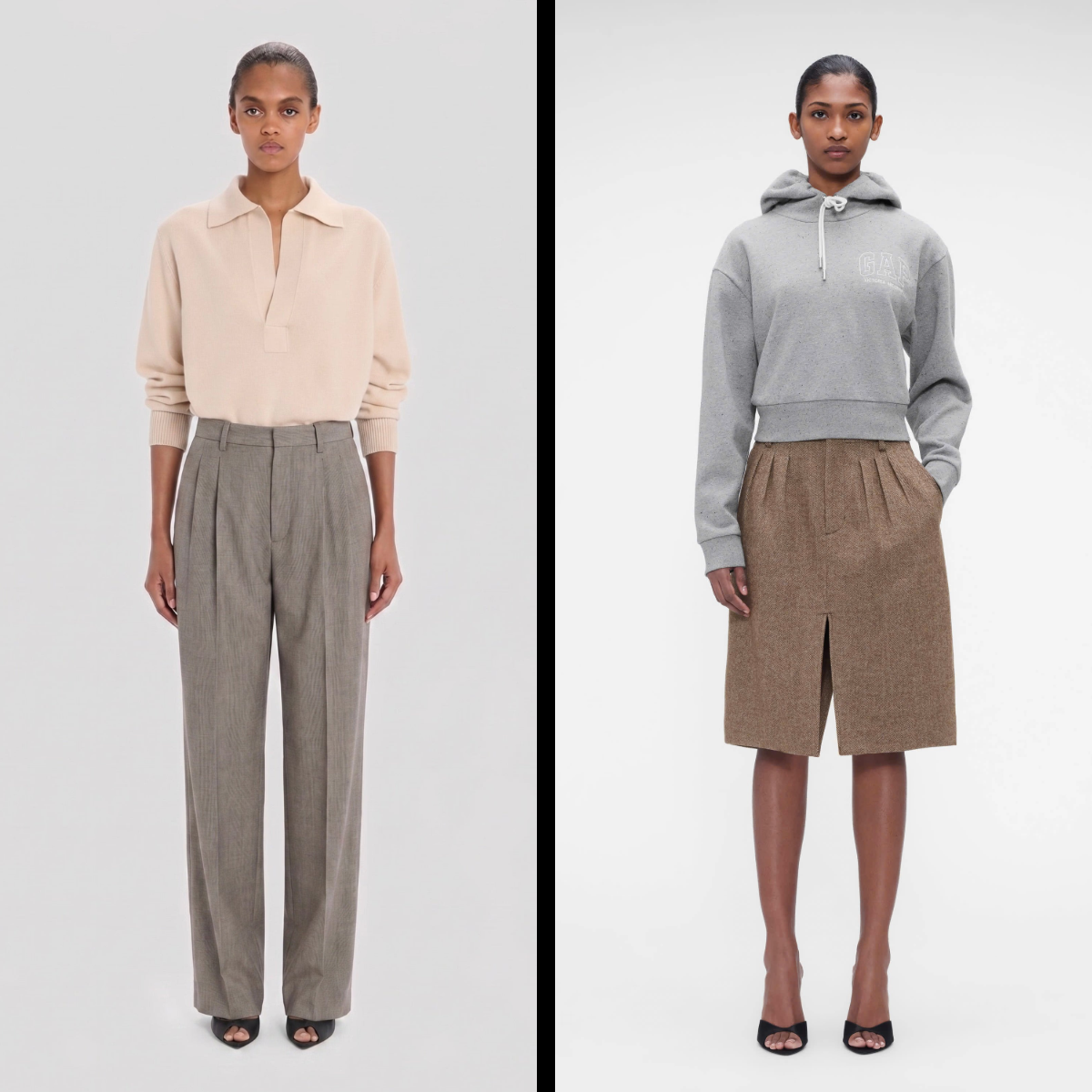
This Gap skirt ($118) is 68% recycled polyester, 30% recycled wool, 2% other, while these pants ($890) from her own label are 73% virgin wool, 27% mohair. The fabric composition only accounts for some of the pricing; her own line does feature items like the Katherine jacket $1,390 in 53% polyester, 43% virgin wool, 4% elastane, and I haven’t handled it to say which kind of polyester that is.
The shortcomings of polyester are more palpable at lower price points because the primary purpose of poly tends to be cost cutting, not innovation. Long filament polyester, developed for performance, can create beautiful fabrics and refined garments. That's not the polyester we see in affordable fabrics. Further, Gap's collection uses recycled fibers. Environmental goals aside, recycled wool is made of shorter fibers, because shredding old garments breaks them; shorter fibers work loose and pill, and polyester’s tenacity anchors those pills so they don’t break off, which makes them more visible.
Hard pass.
Instead, I'd opt for these strong-shouldered coats from Aritzia and Quince:
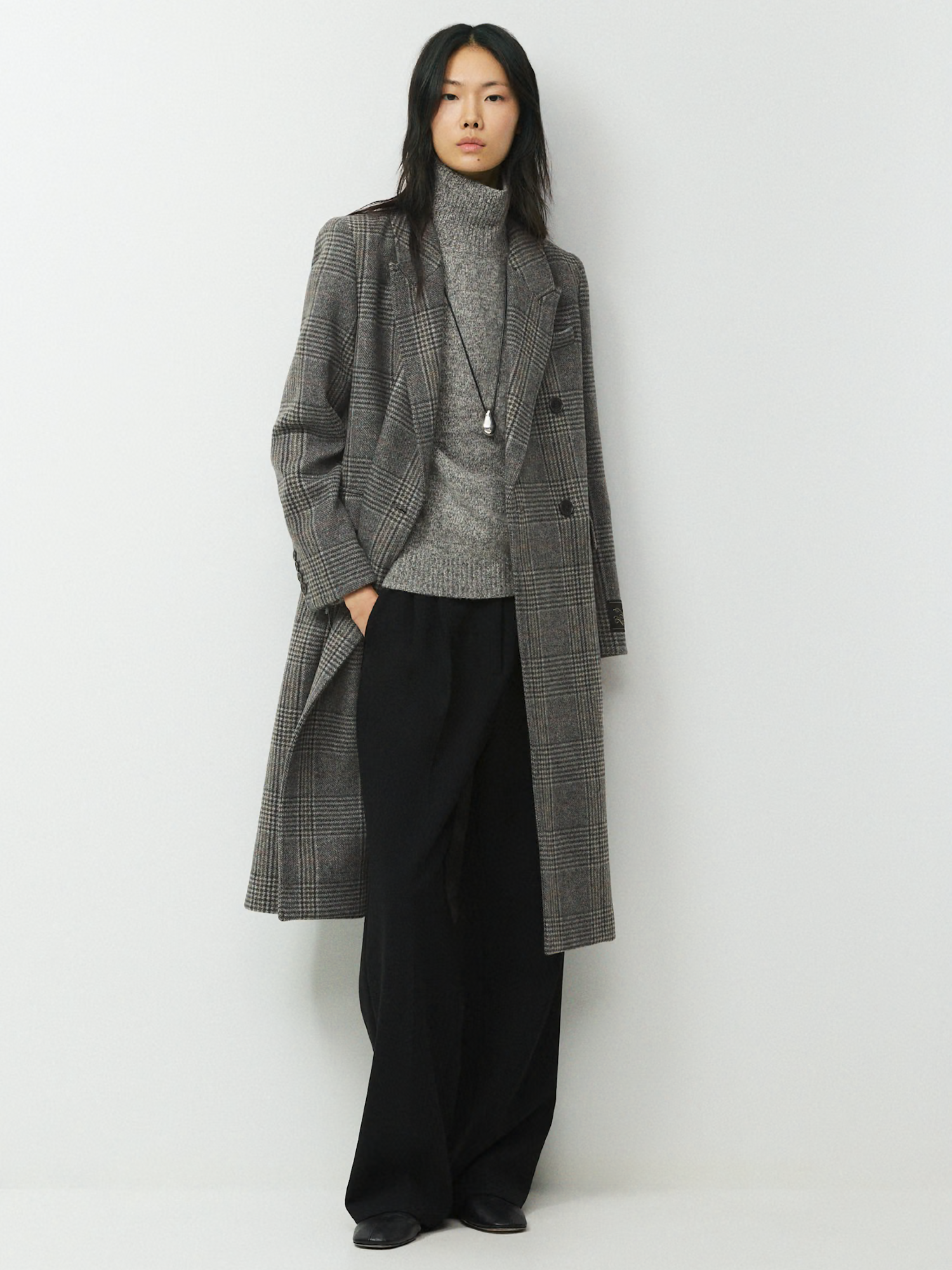 Wool Cashmere $425 |
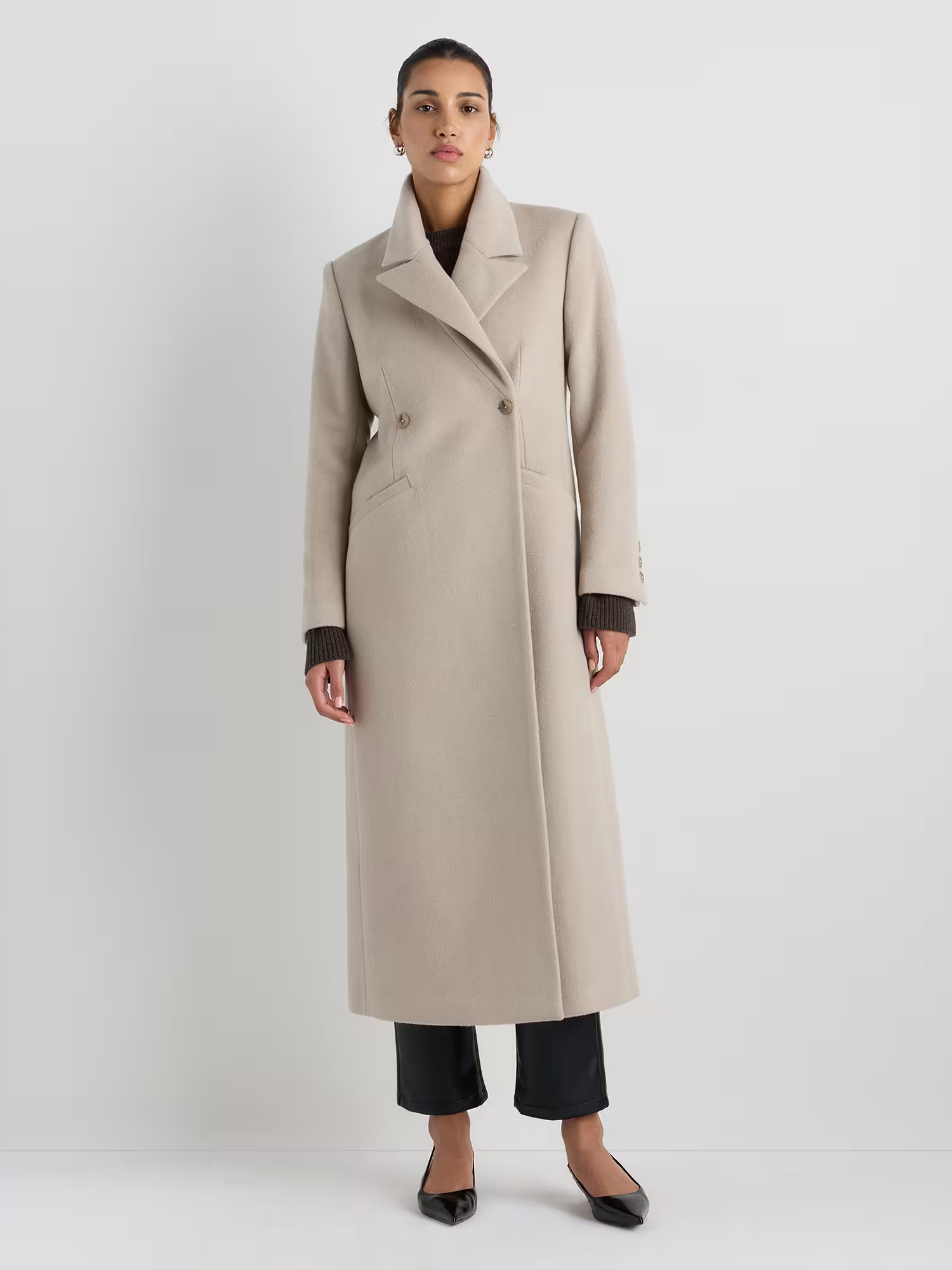 Wool Cashmere $200 |
And these wool pants (more options here):
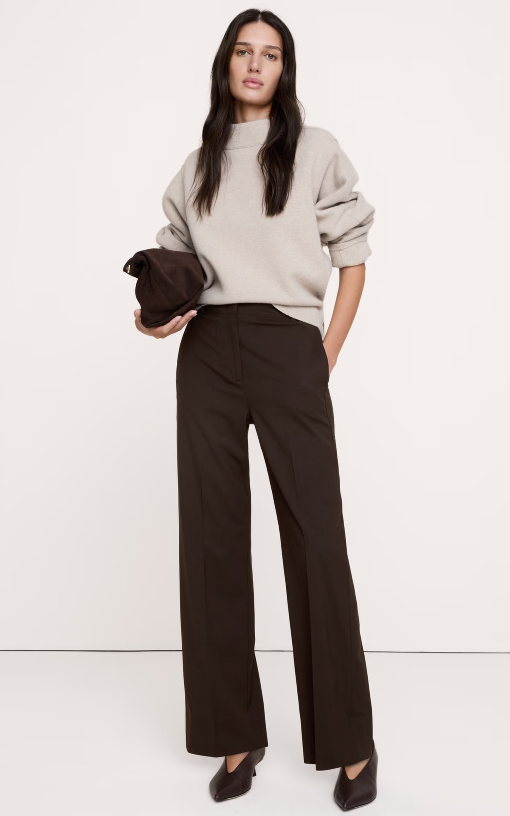 $198 |
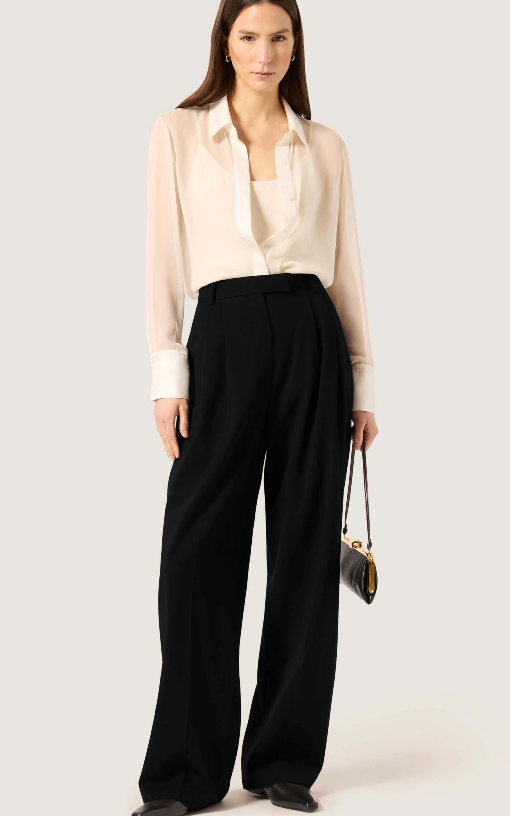 $295 |
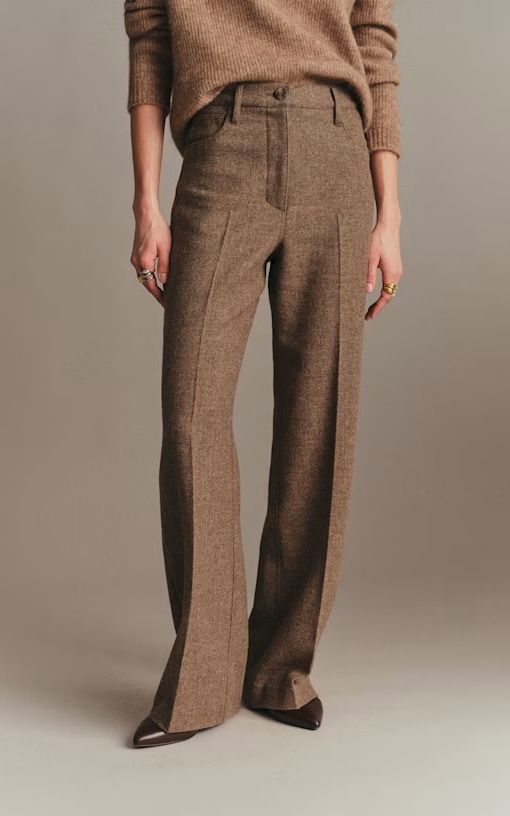 $180 |
I'd also pass on Gap's CashSoft yarn, whether from this collab or in the regular line.