
The Two Ways Whites Go Wrong
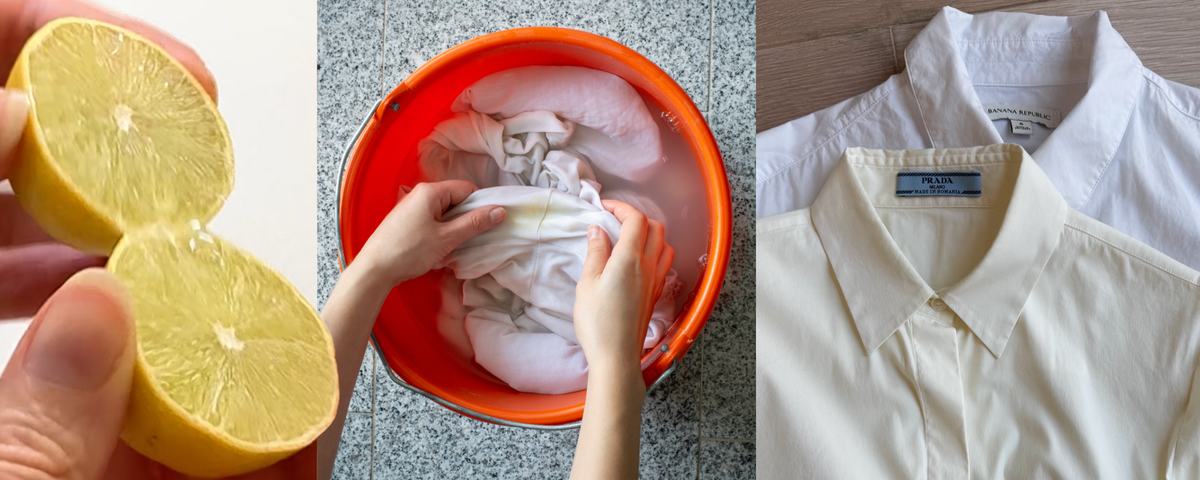
Watch the Video | Shop My Picks
White has always been the most demanding color in a wardrobe, and that was once the entire point. To wear it was to announce that you didn't do the kind of work that dirties a cuff, that you summered where your clothes never met a grimy commute, that someone in the house handled the laundry. The same logic runs underneath "no white after Labor Day:" white was the uniform of people who could afford to keep it clean.

So a yellowing collar lands as more than a stain. It reads as a small daily failure of the signal, evidence that the upkeep got away from you. The panic is real, and it too often runs out of proportion to the problem in my case, because the yellow almost never means what you think it means.
The yellow isn't dirt
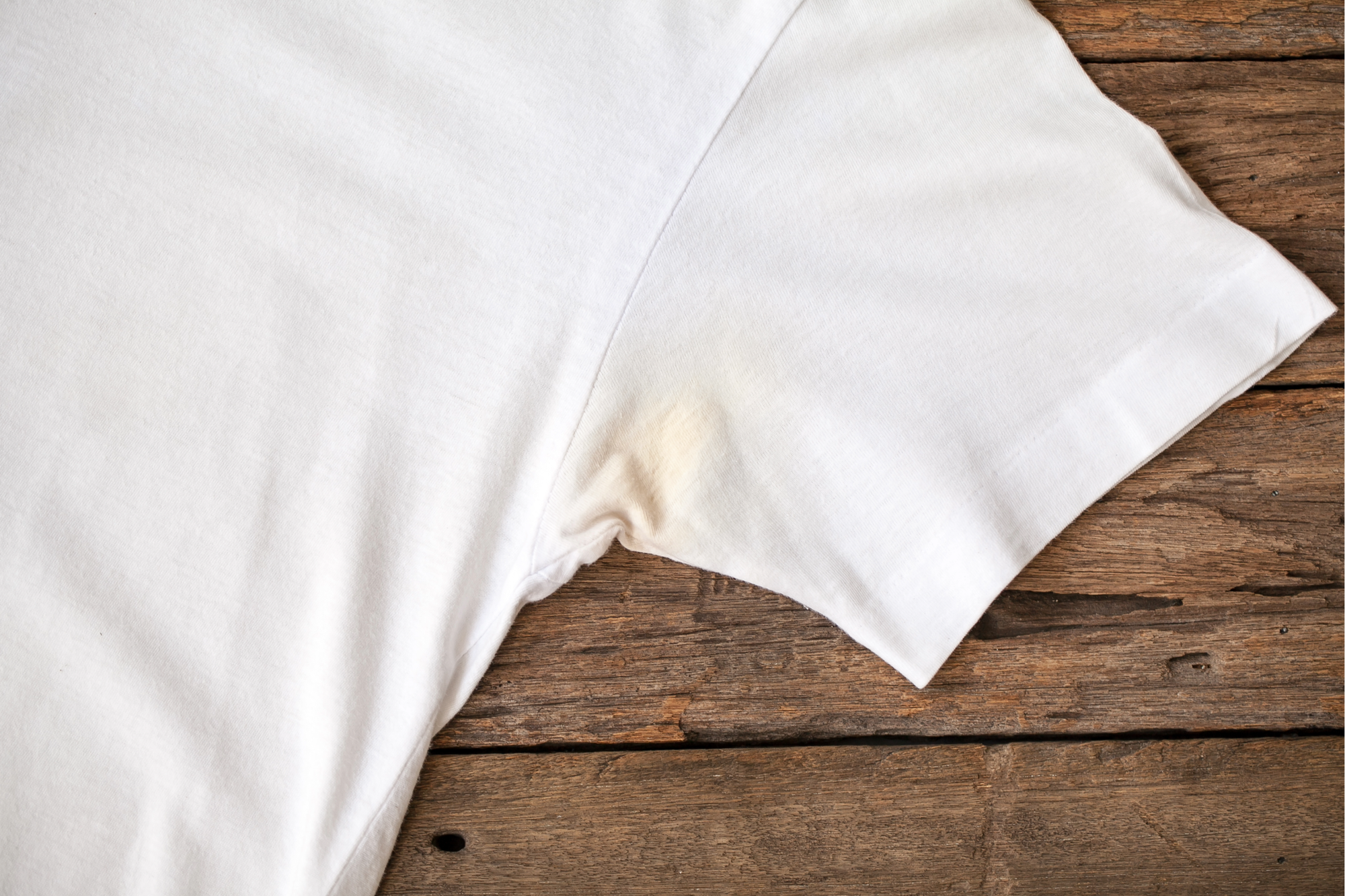
Sweat is essentially colorless. The yellow at your underarms is a reaction between sweat and the aluminum salts in antiperspirant, one that oxidizes and sets into the fabric over repeated wears. Heat finishes the job. Like an egg meeting a hot pan, the residue coagulates and locks in the moment it hits hot water or a dryer, which is how a stain you could have lifted becomes one you can't.
The routine that keeps them white
Run whites on their own, so there's nothing for them to pick up. Use enough detergent to carry the soil out: too little and it redeposits, too much and the excess holds onto dirt. If your water is hard, a booster like washing soda binds the minerals. Don't crowd the drum; clothes need room to move.
Most of the work is preventing problems rather than reversing them.
Remove the reactant where you can. An aluminum-free deodorant eliminates the thing your sweat is reacting with. If you want sweat control, apply a thin layer at night and let it dry completely before dressing; less product on the surface means less to transfer.
Wash the underarms promptly. The longer antiperspirant residue sits in the fabric, the more of it sets, so a sweaty shirt that lingers in the hamper for a week is doing quiet damage the whole time. Skip fabric softener on your whites; it coats the fibers and traps the residue you're trying to flush out. I don't use fabric softener on any load.
When you do treat a stain, start cold. Flush a fresh mark with cold water, and keep the shirt out of hot water and the dryer until you've confirmed the yellow is gone; heat is what makes it permanent. Then reach for oxygen bleach, the kind in OxiClean and Clorox 2, dissolved in the hottest water the care label allows, and give it a long soak. Keep chlorine bleach off the whites you care about: it weakens fibers and can yellow them over time, especially with overuse or on anything blended with spandex, wool, or silk.
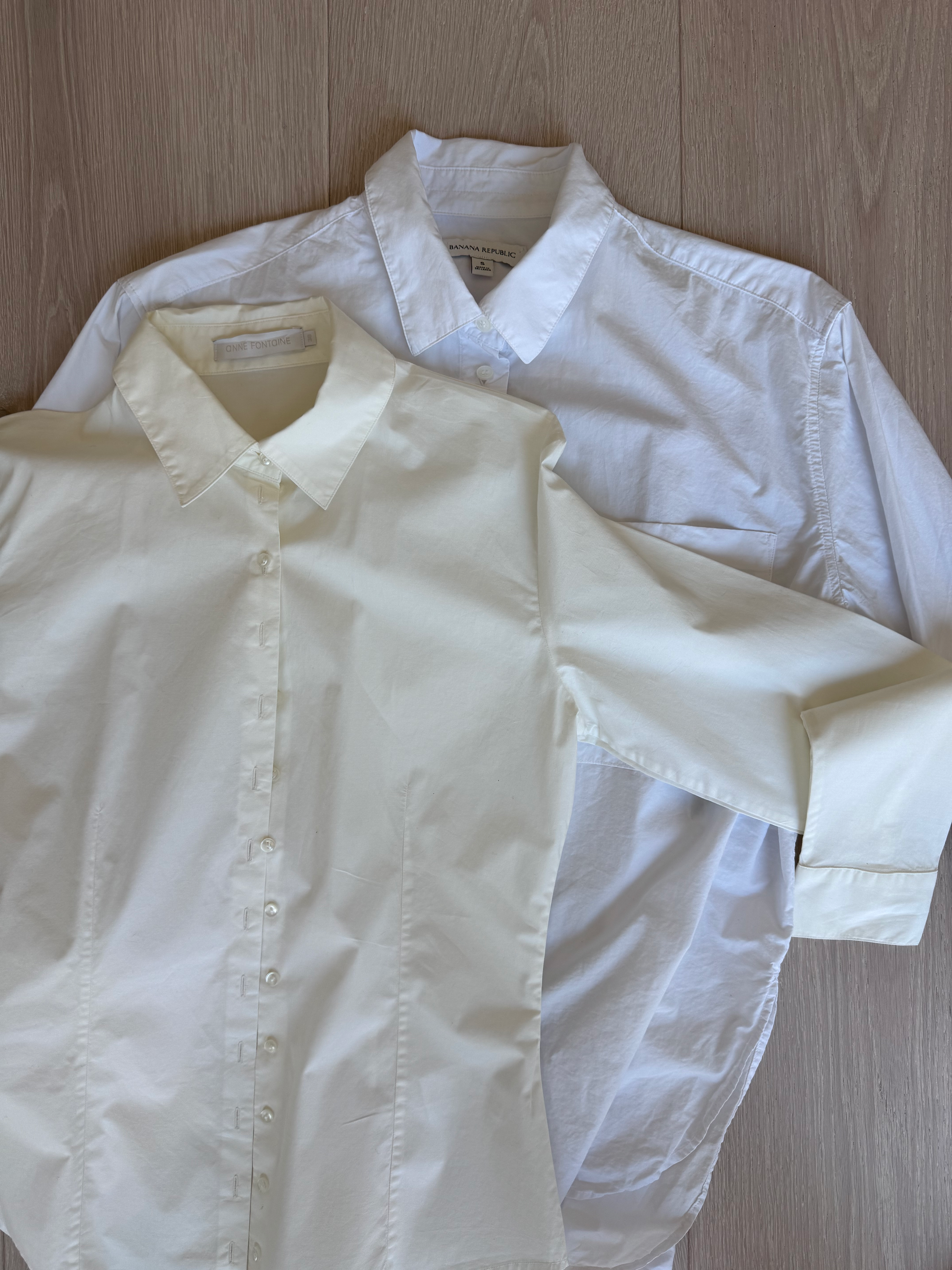
That routine is enough for most shirts. But if you have soaked and washed and the yellow is still sitting there, you are treating one problem when there are two. That is where it helps to diagnose.