A $1,275 Hermès Sneaker, and What It Says About Every Shoe You Buy
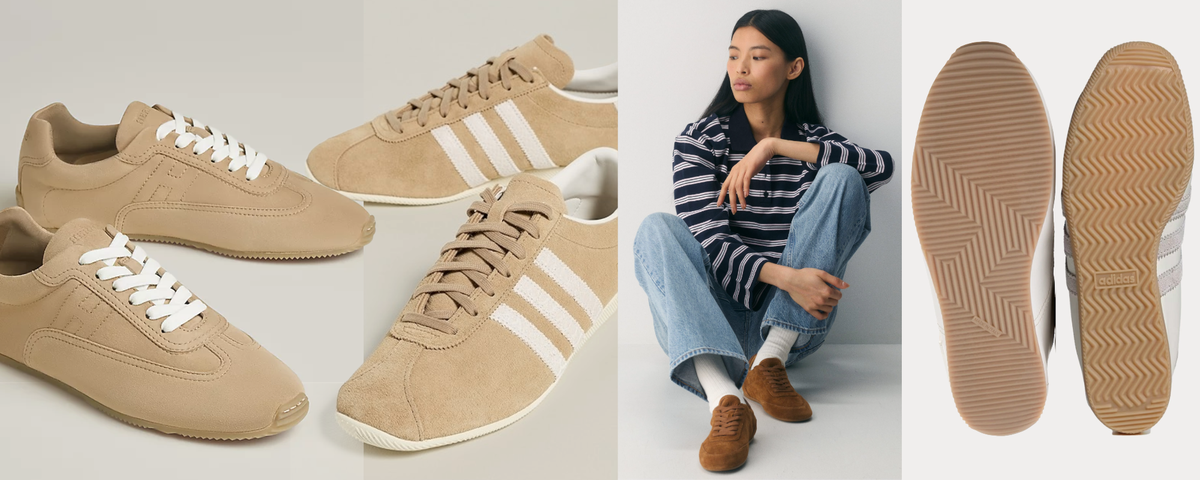
Watch the Video | Shop My Picks
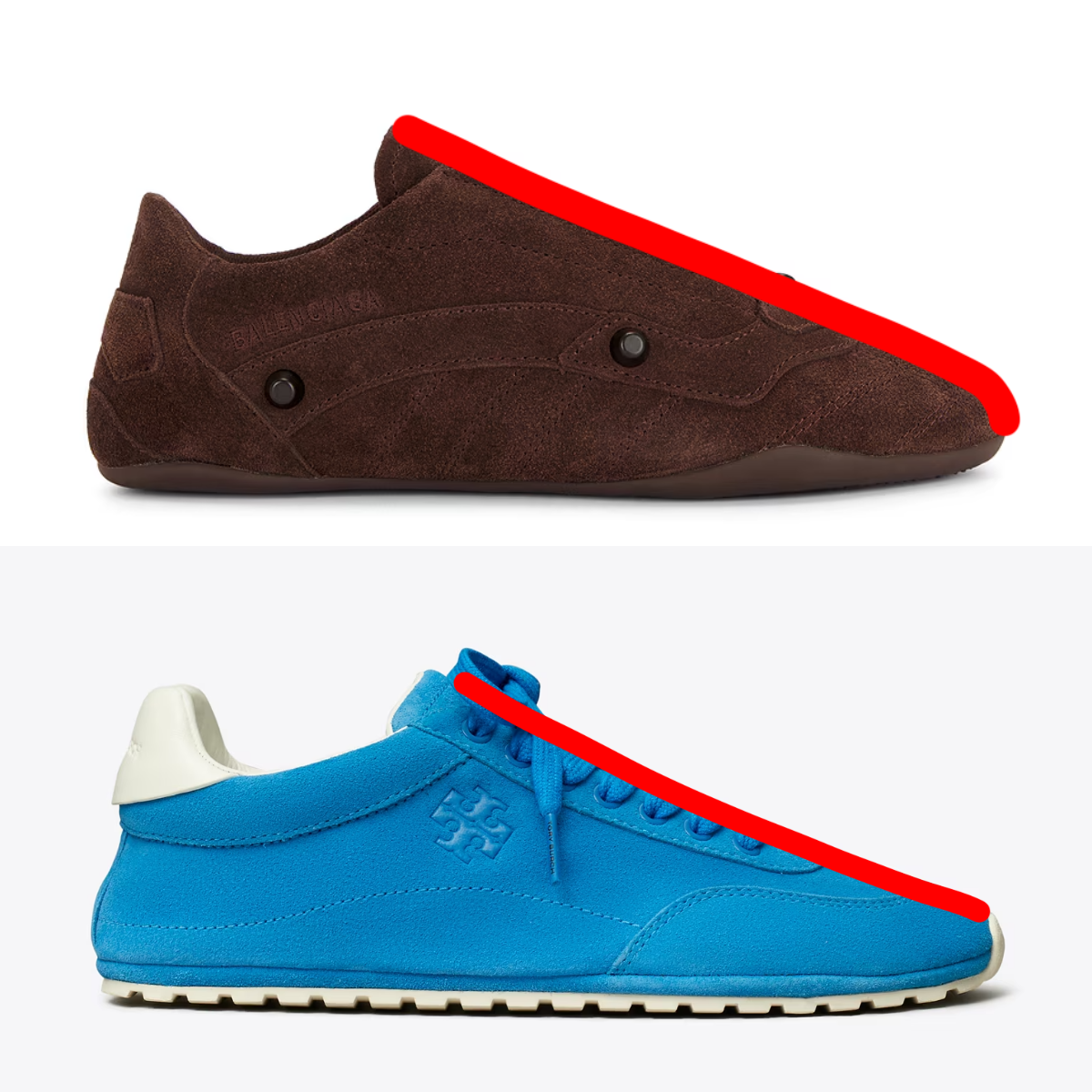
Fashion content tends to discuss a shoe in a fixed order. The brand first, then the materials/embellishment/trend, then the price. Each of those is easy to read, and not one of them tells you how the shoe was conceived. The detail that does is the one almost nobody is taught to look for: the profile, the line a shoe draws from the toe up to the ankle, seen from the side. It is the closest thing a shoe has to a GPA. Once you can read it, a quick glance reveals whether a shoe's line is tailored or casual.
That line sits between two extremes: a curve that follows the shape of the foot the way a fitted jacket follows the body, or a ramp that ignores it. The curve is the line of a tailored shoe, the ramp the line of a casual one. And just as a fitted blazer, dress, or coat takes more work to make than a boxy one, a shaped shoe is the more labor-intensive build, whether it's a sneaker, loafer, flat, or boot.
Find inflection points
Look at the top edge of the shoe, seen from the side, from the toes back toward the ankle. On a casual shoe, it climbs in one straight diagonal, a single simple shape from front to back. On a tailored shoe, it sits low over the toes, then pivots at the base of the toes into a rising curve, often several curves in sequence, each picking up the line of the foot as it climbs toward the ankle.
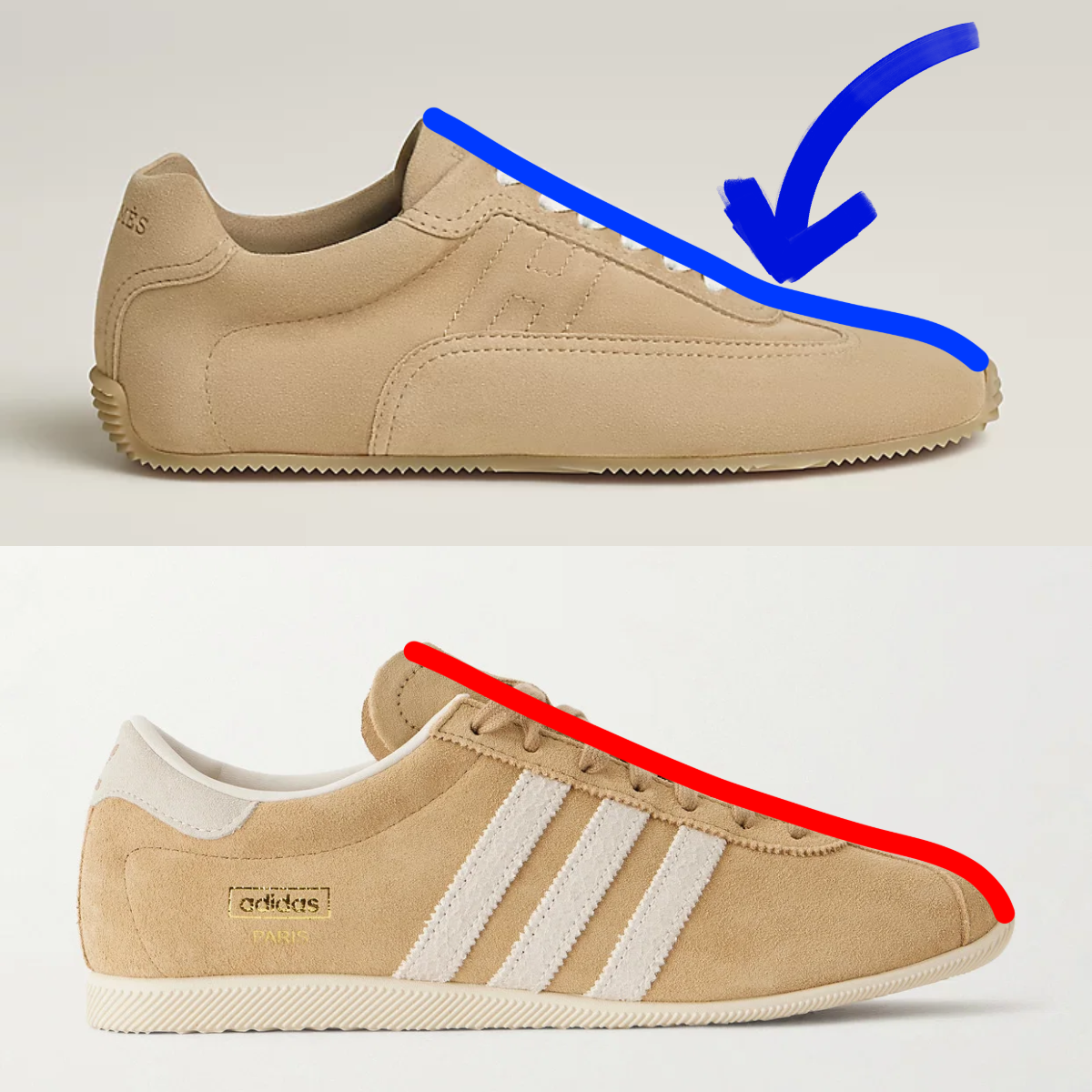
Most shoes are not a pure curve or a pure ramp; you are reading a degree. A line with a shallow turn high on the toe box is doing a little of the work, which is why a shoe can land somewhere in between and still feel considered. The profile is not there to tell you a shoe is "bad." It is there to tell you whether you are paying a tailored price for a casual line.
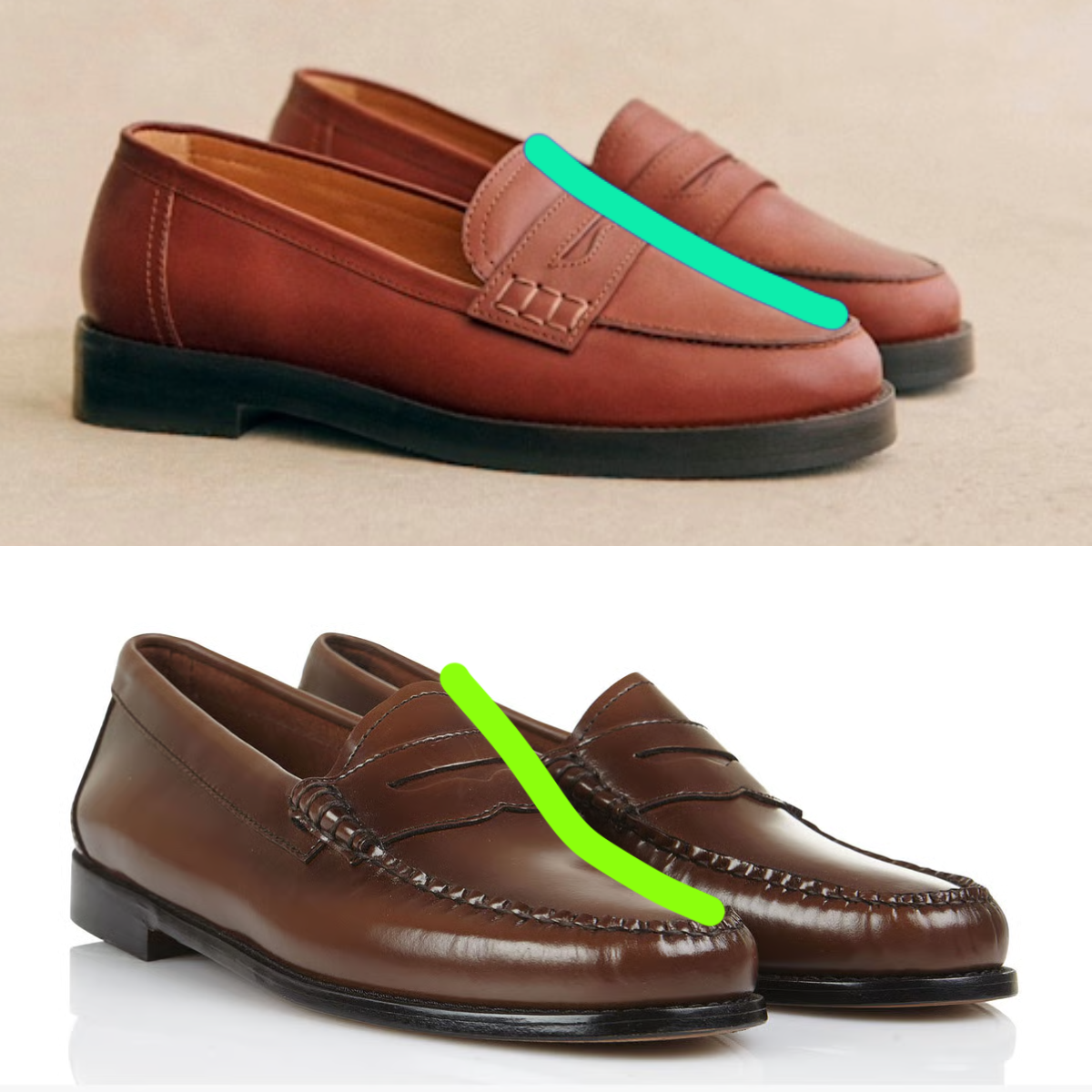
Set a blobby loafer beside a sharply drawn one and the same inflection decides which is which: the better loafer's top edge curves up toward the ankle, while the lazy one bulges out in one rounded ramp. A G.H. Bass penny loafer holds that line, and plenty of comparably priced loafers do not. Once your eye knows the curve on a sneaker, it finds the curve everywhere, which is the whole reason the profile is worth learning over any single brand's name.
Match the line to the price