
How Chanel Keeps the Flower Brooch Fresh, Not Clownish
An expensive pin can look clownish, and an Etsy find under $100 can add rich depth to a look.
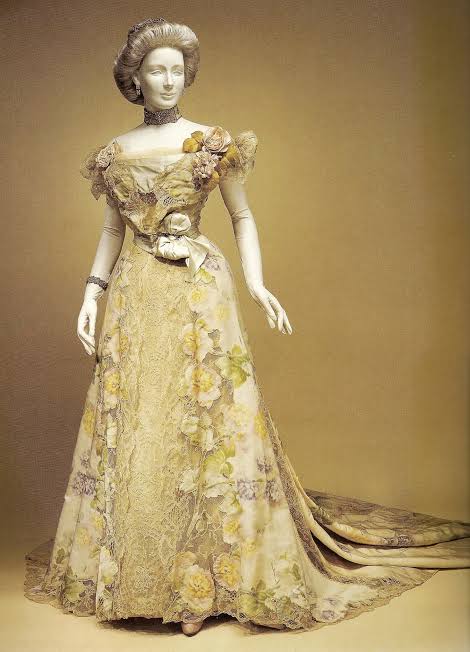
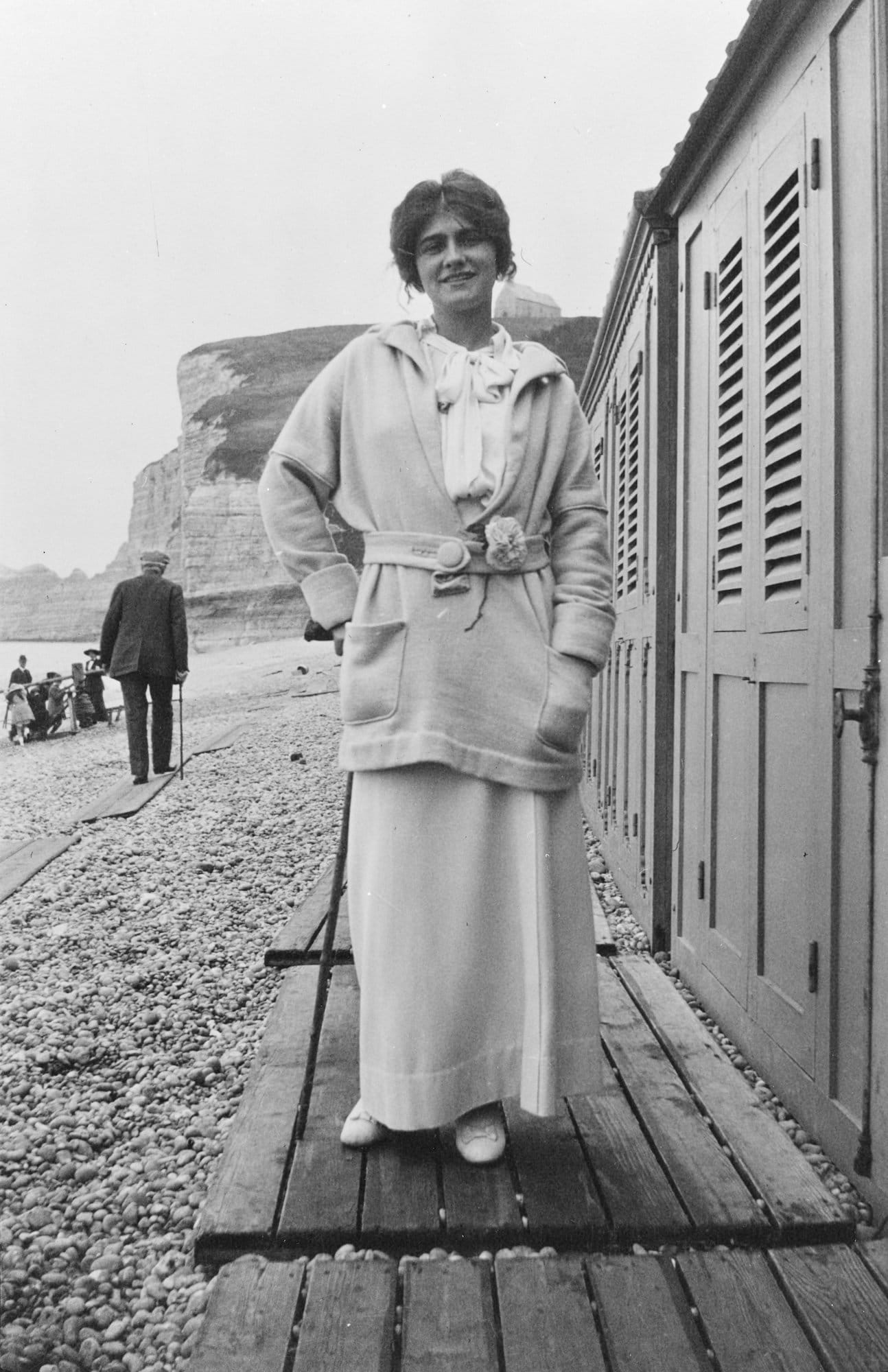
House of Worth Belle Époque dress; Coco Chanel with a camellia at her belt, 1913
We know Chanel for its classic icons: the flap bag, the tweed jacket, the cap-toe flat. But Coco Chanel began by rejecting tradition. Her work countered the conventions of the Belle Époque period, with its S-bend corsetry, ostentatious embellishment, and luxurious materials.
Restrictive corsetry and layered petticoats limited how women could move. Chanel replaced corsets with boxier cuts made for movement. Instead of the rich silks and laces of the day, she used jersey, a fabric then used for men’s underwear. She replaced lavish, colorful floral decorations with the white camellia, a flower without fragrance or frilly petals.
Karl Lagerfeld brought back the camellia when he revived the house in the 1980s. He often styled it in the center of the collar, as a prim counterweight to over-the-top kitsch.
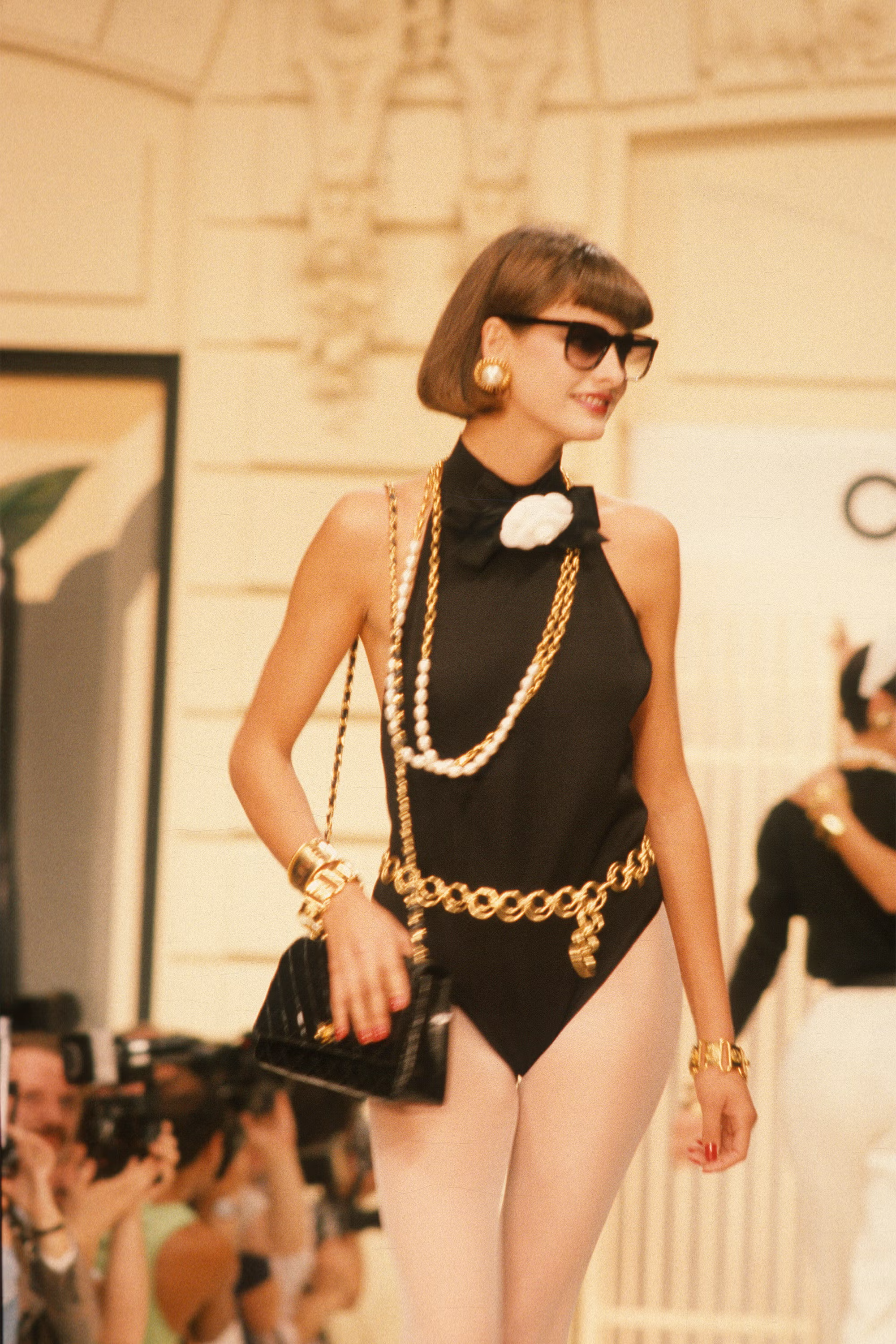
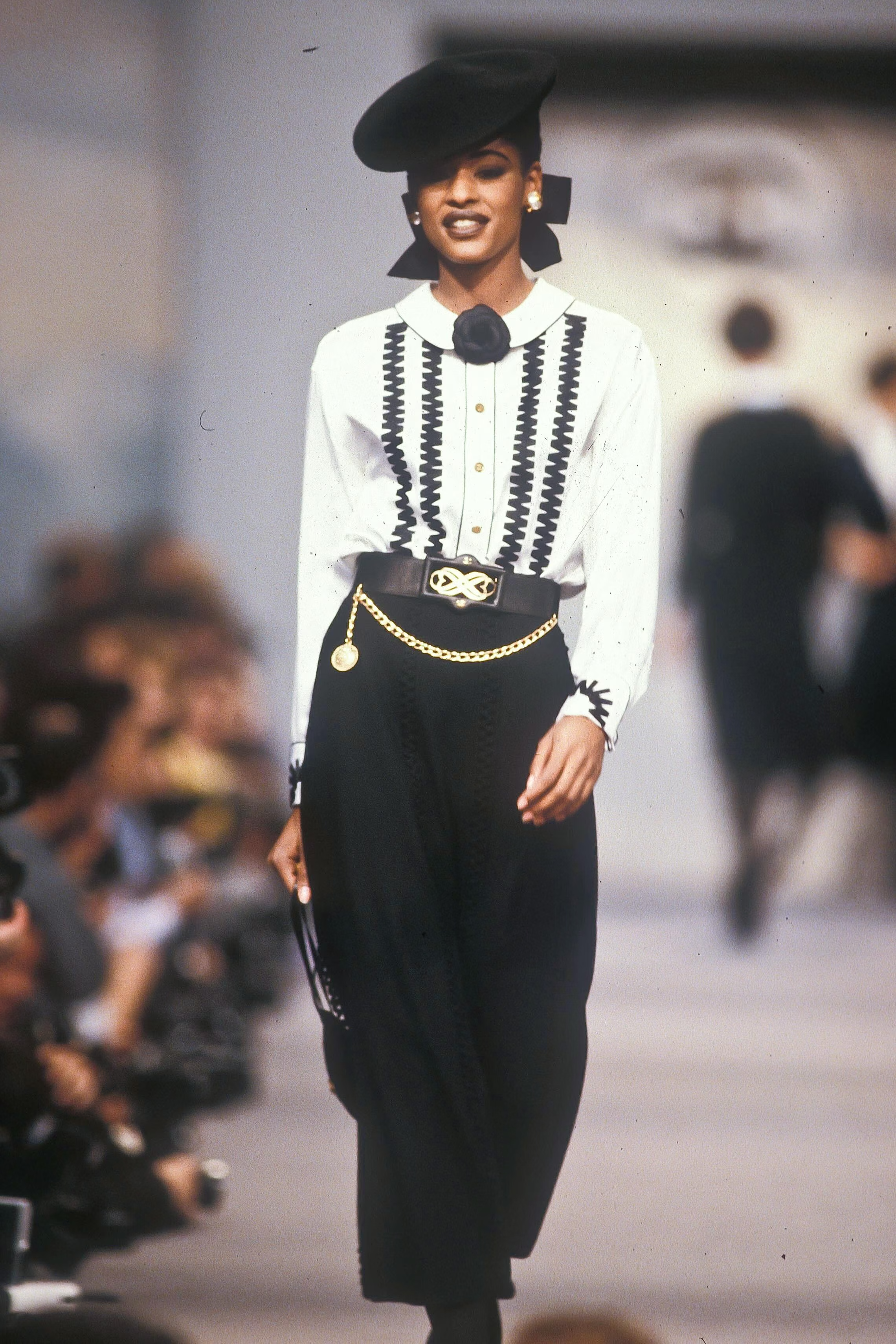
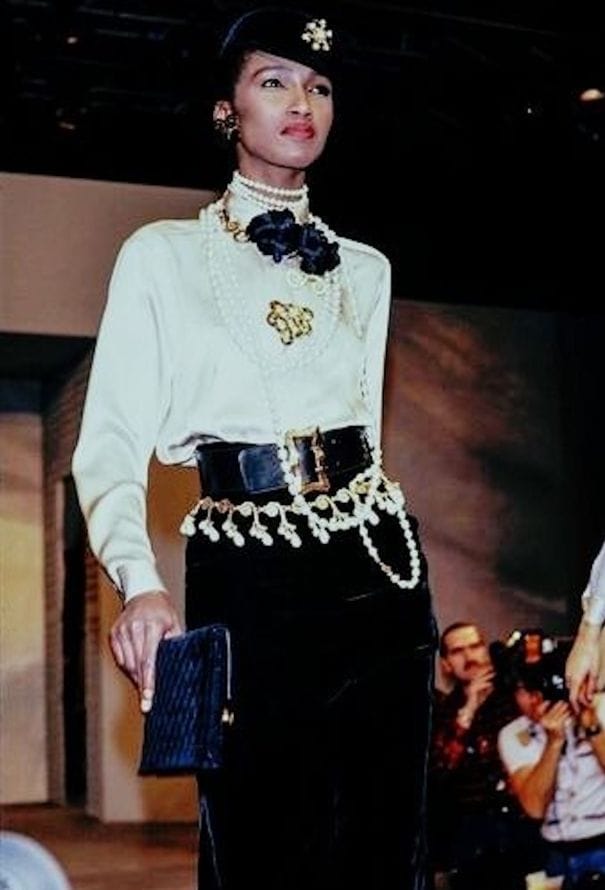
Chanel runway presentations: 1985, 1989, 1989
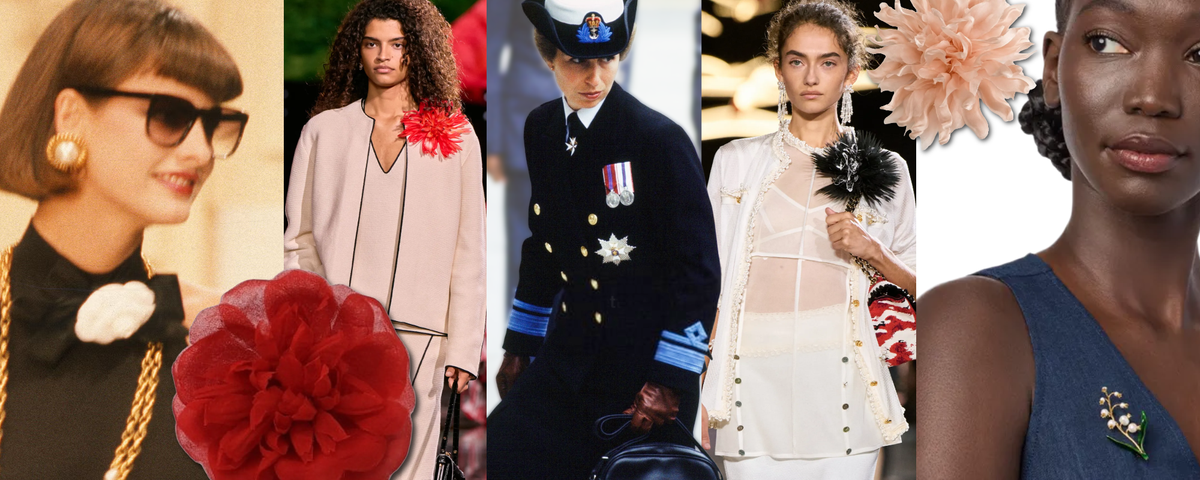
Matthieu Blazy’s first collection for Chanel featured floaty, oversized flower brooches pinned to the models’ left, where Lagerfeld had pinned them at the center.
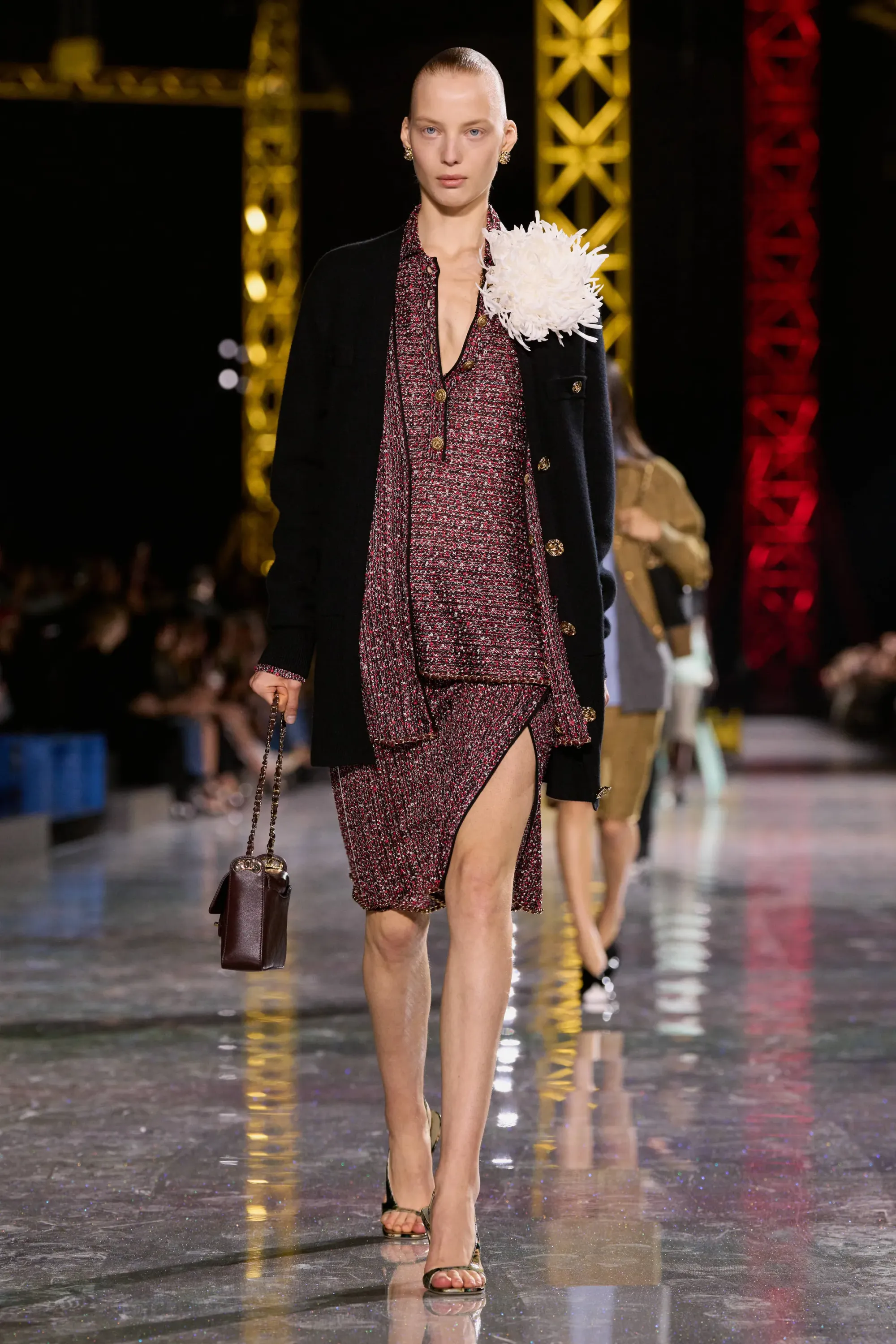
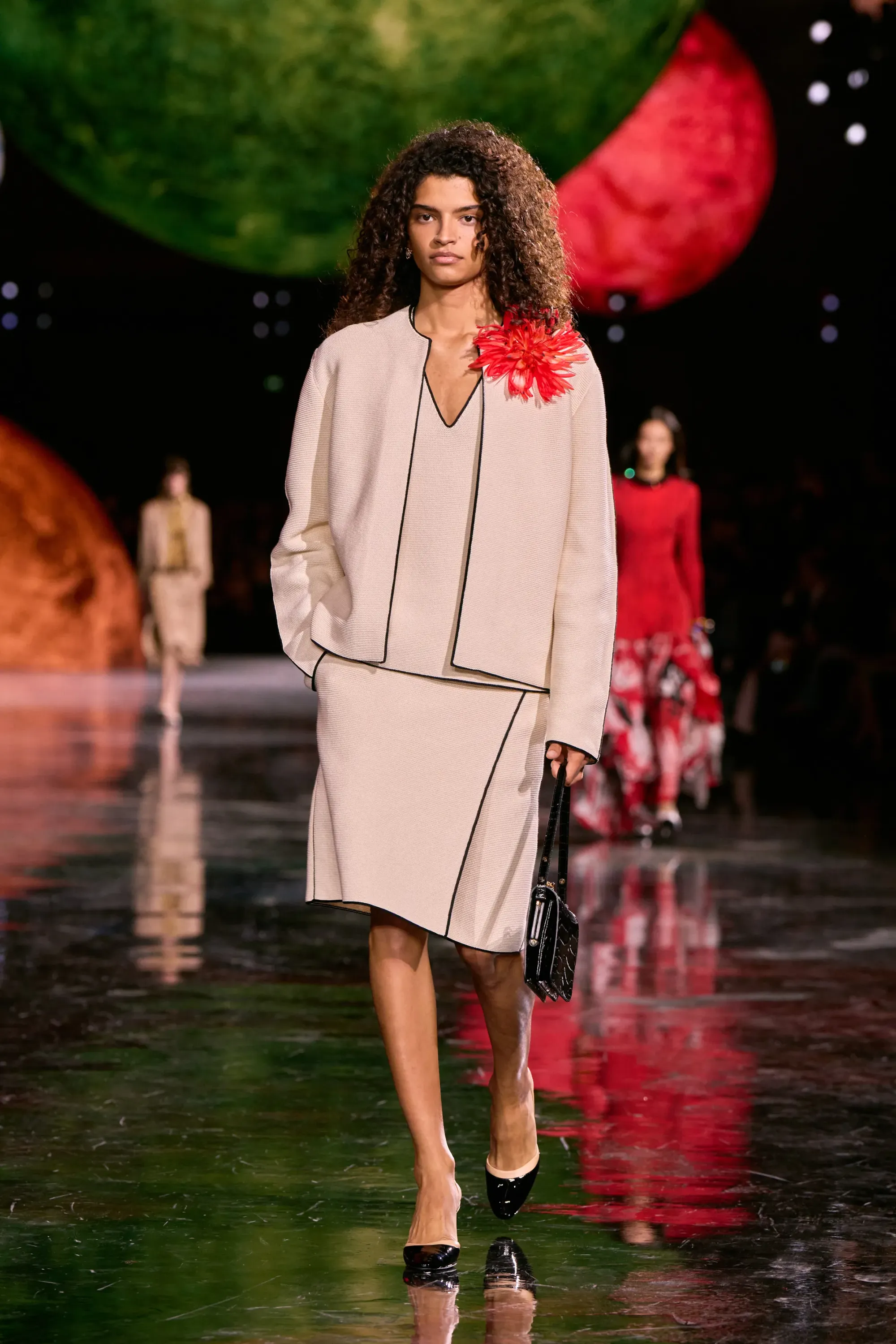
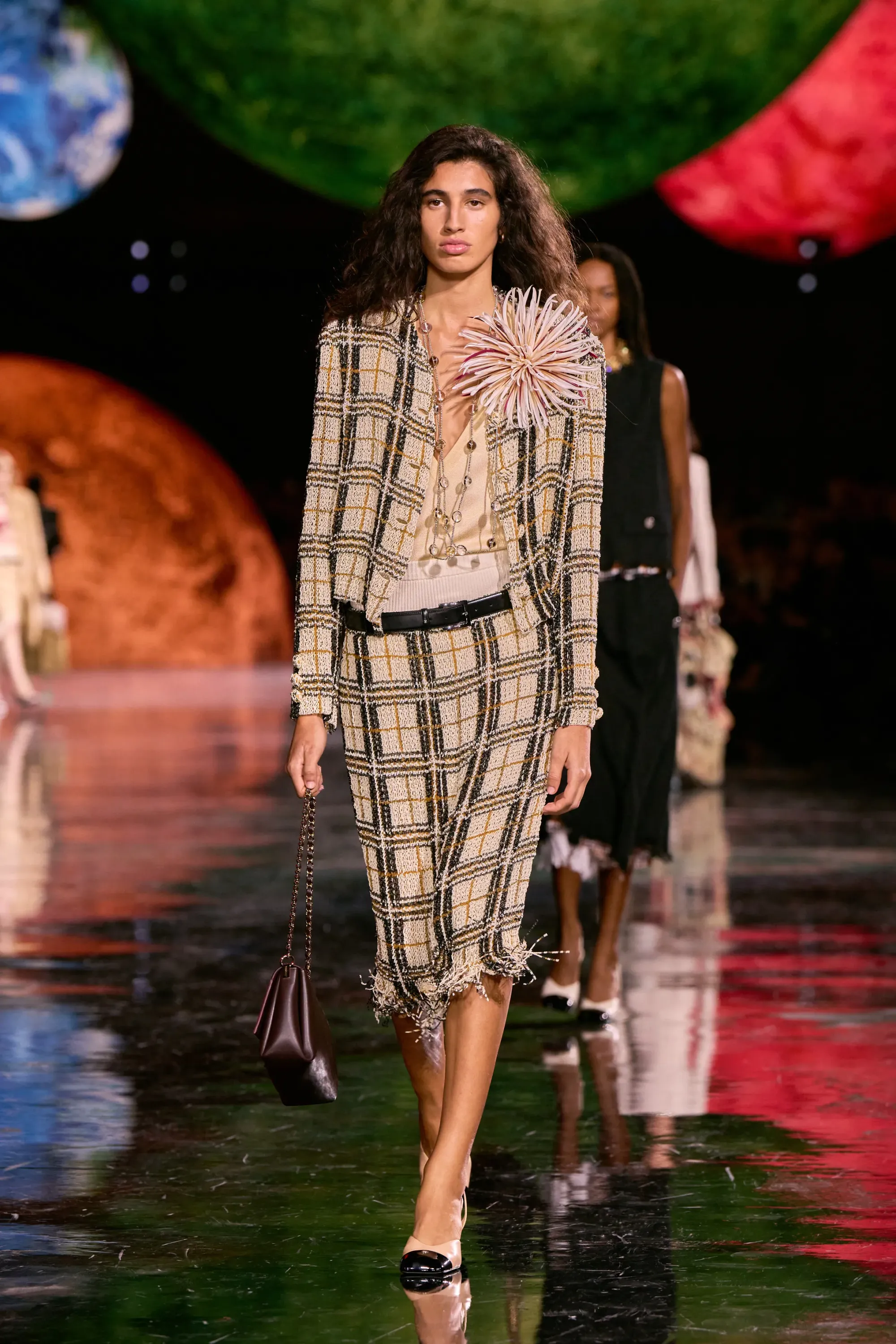
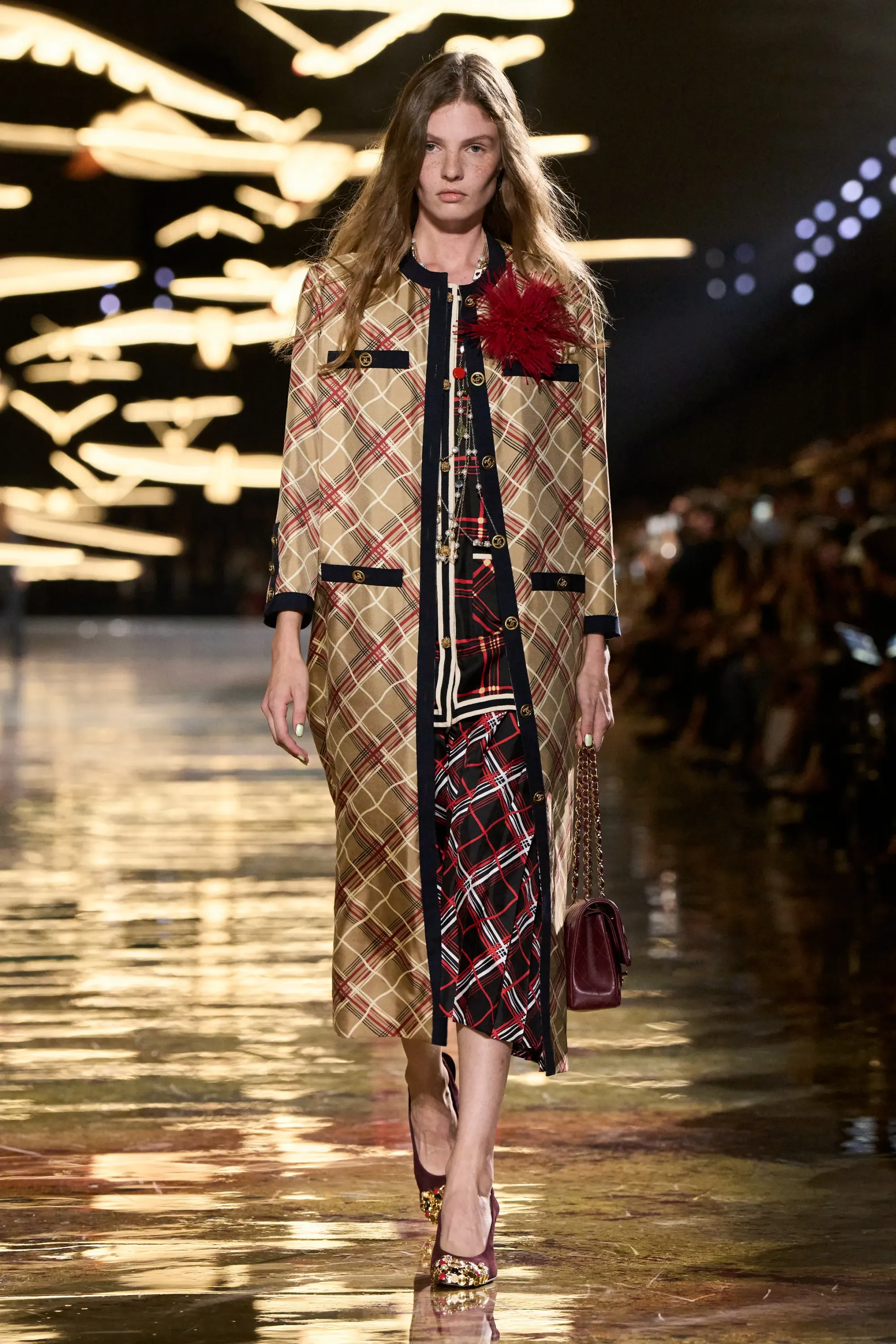
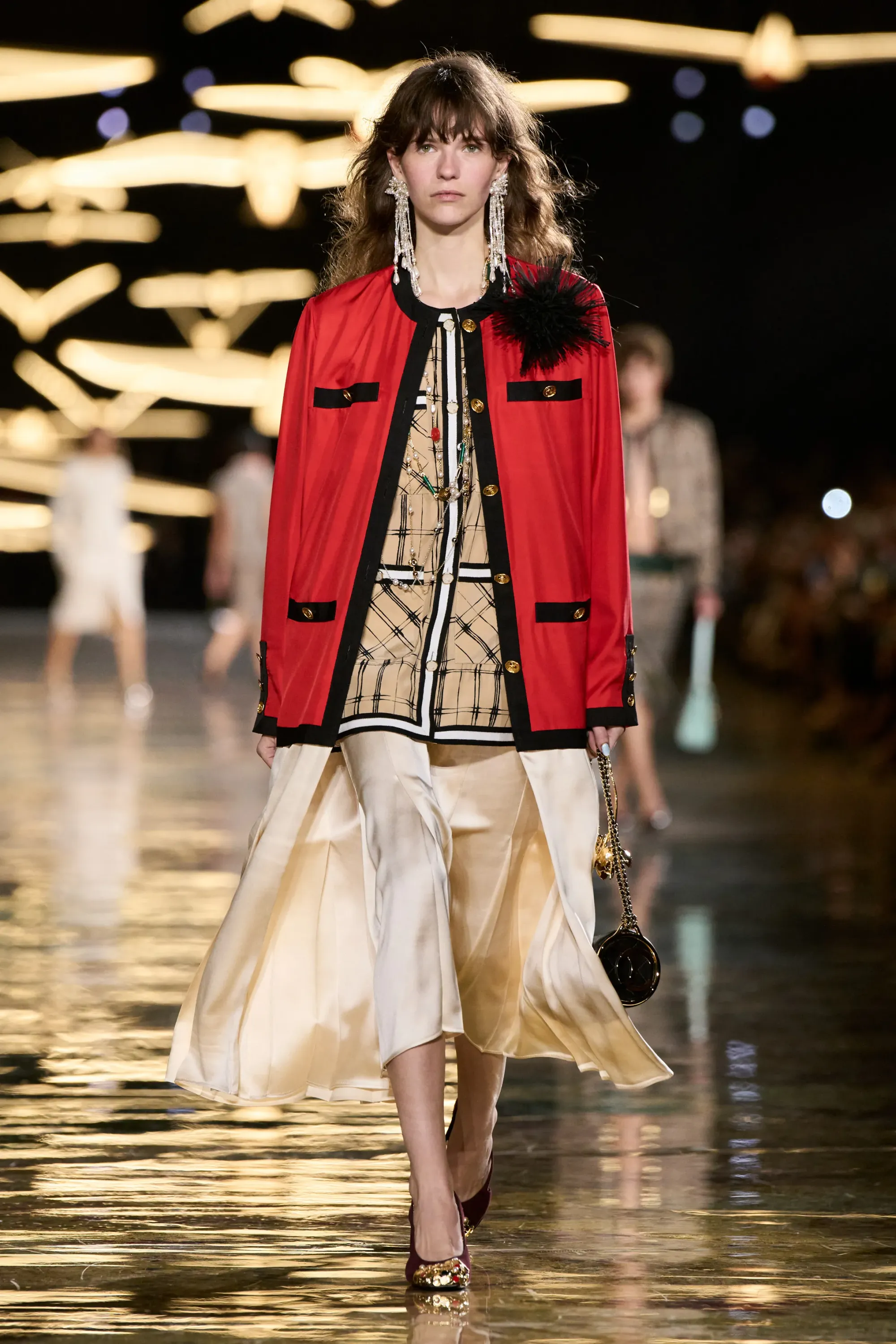
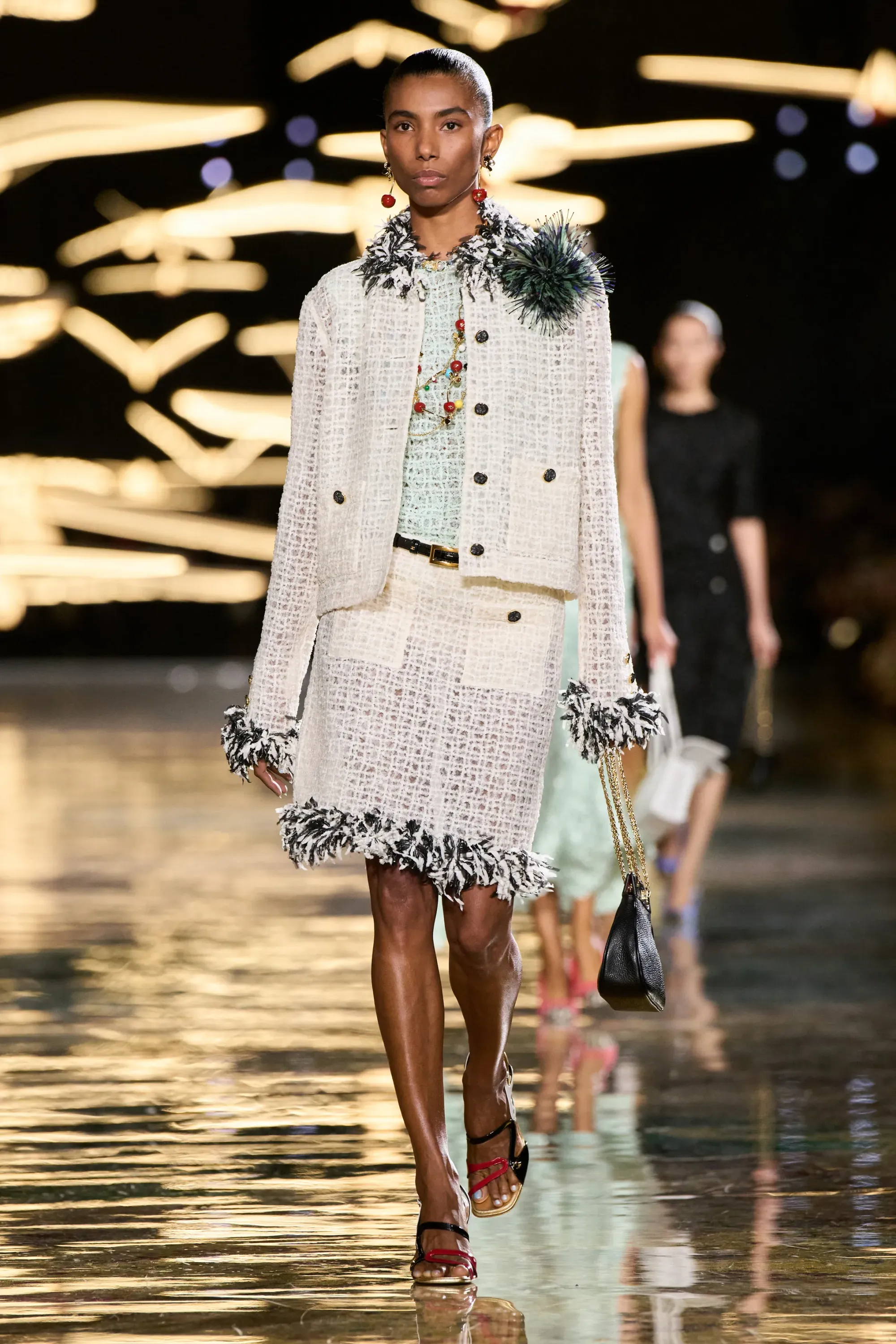
Looks from Blazy's collections, spring 2026 through spring 2027
The left is where soldiers pin their medals, and whether or not Blazy intends the reference, it suits a house built on bringing men’s conventions into womenswear.

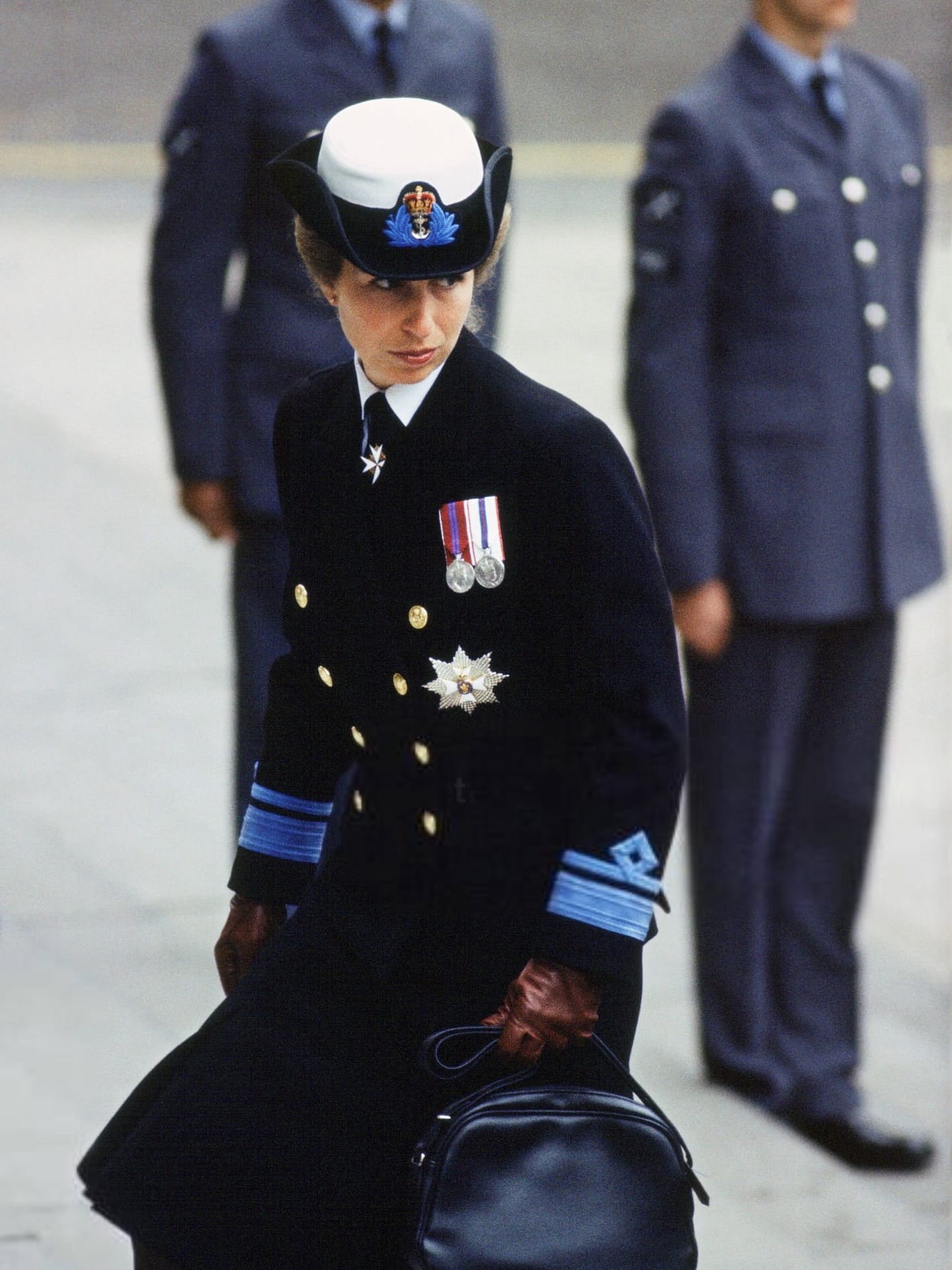
Audie Leon Murphy in a 1950 painting; Princess Anne, 1982
Lapel pins and flowers traditionally go on the left, the side of the heart.
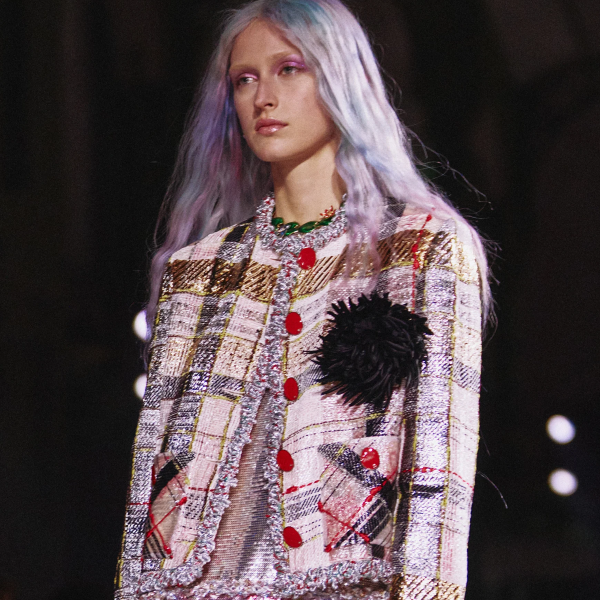 $15,900 |
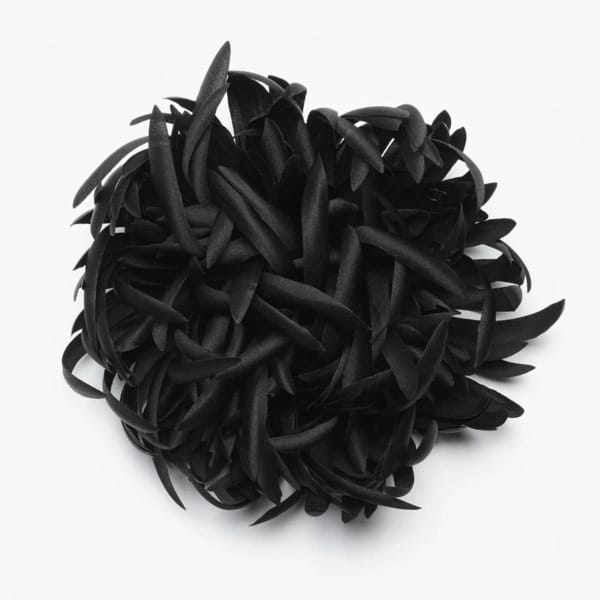 $1,300 |
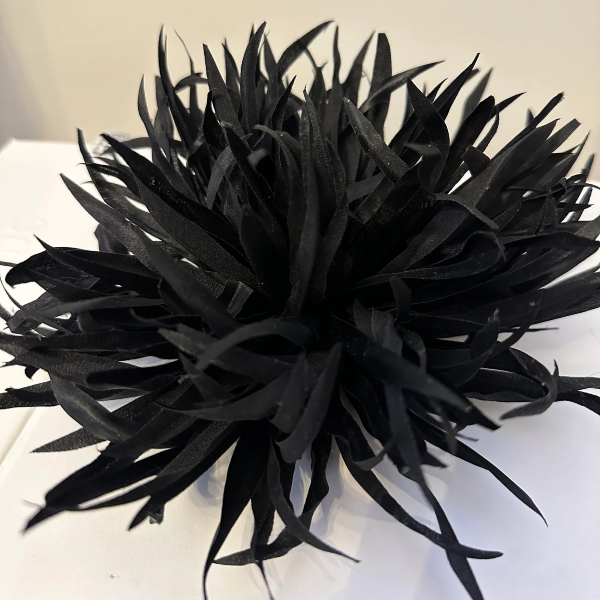 Silk, $72 |