
Ignore the Comments on Blazy's Chanel, Sézane's Rebrand, Gap, and the Tiny Rollneck
This summer, Gap released a collection based on their Happy Stripe sweater, which originally debuted in a holiday campaign in 2000. The range, priced $58 to $128, included a tank, a T-shirt, a skirt, and a maxi dress. Critically, it was made of a mesh fabric printed with a photorealistic representation of the original knit stripe, in the vein of Jean Paul Gaultier's long-running surrealistic mesh pieces. His mesh pieces are printed with trompe l'oeil images meant to simulate one surface on another.
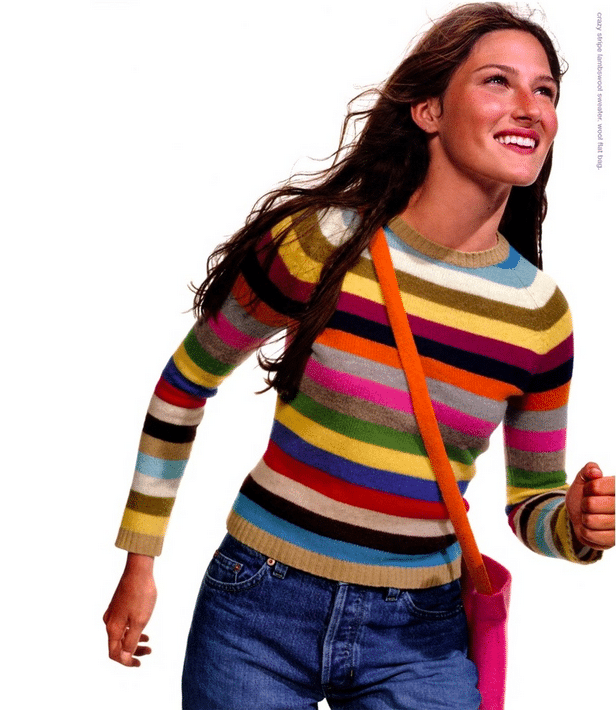
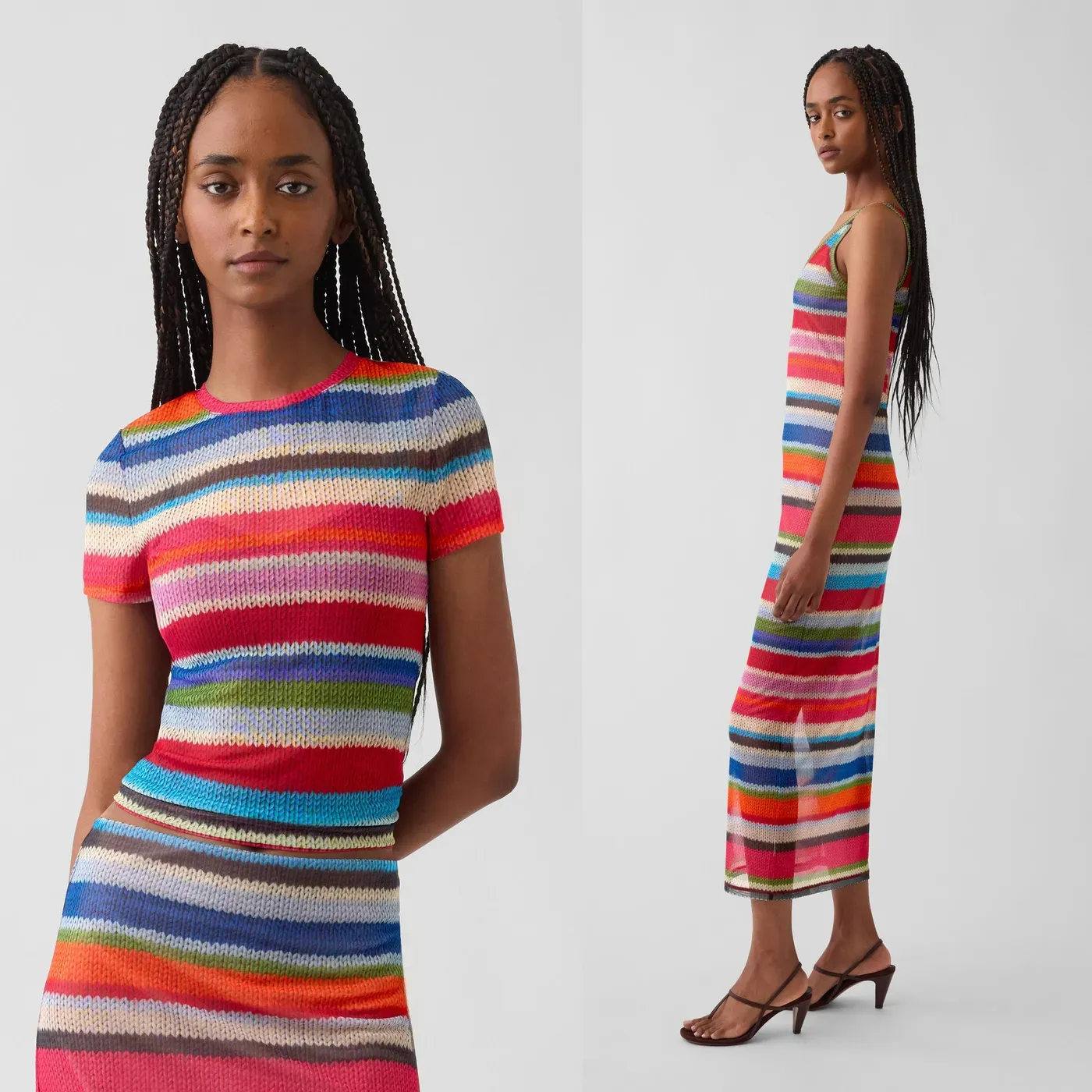
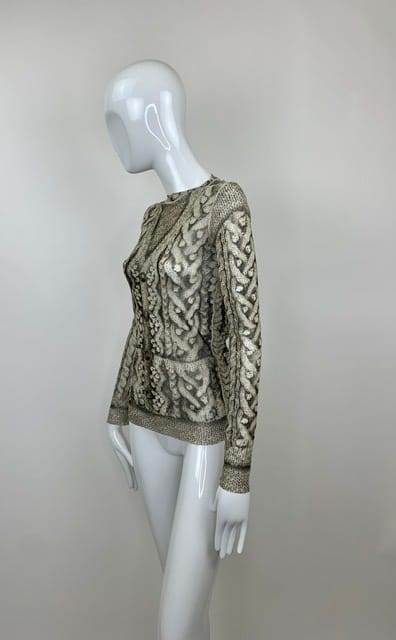
Gap Happy Stripe wool-blend sweater, 2000 (then called Crazy Stripe); Gap Happy Stripe mesh tee and skirt, left, dress, right; Jean Paul Gaultier mesh top printed with a cable knit sweater
This obvious reference never made it to the angry mob's talking points, which instead repeated cut-and-paste gripes about synthetic fibers, quality decline, and, unironically, tone-deafness. If anyone's out of touch, it's these would-be fashion critics. Gaultier is a niche reference for much of Gap's customer base, but critics should be familiar with his work – or embarrassed not to be.
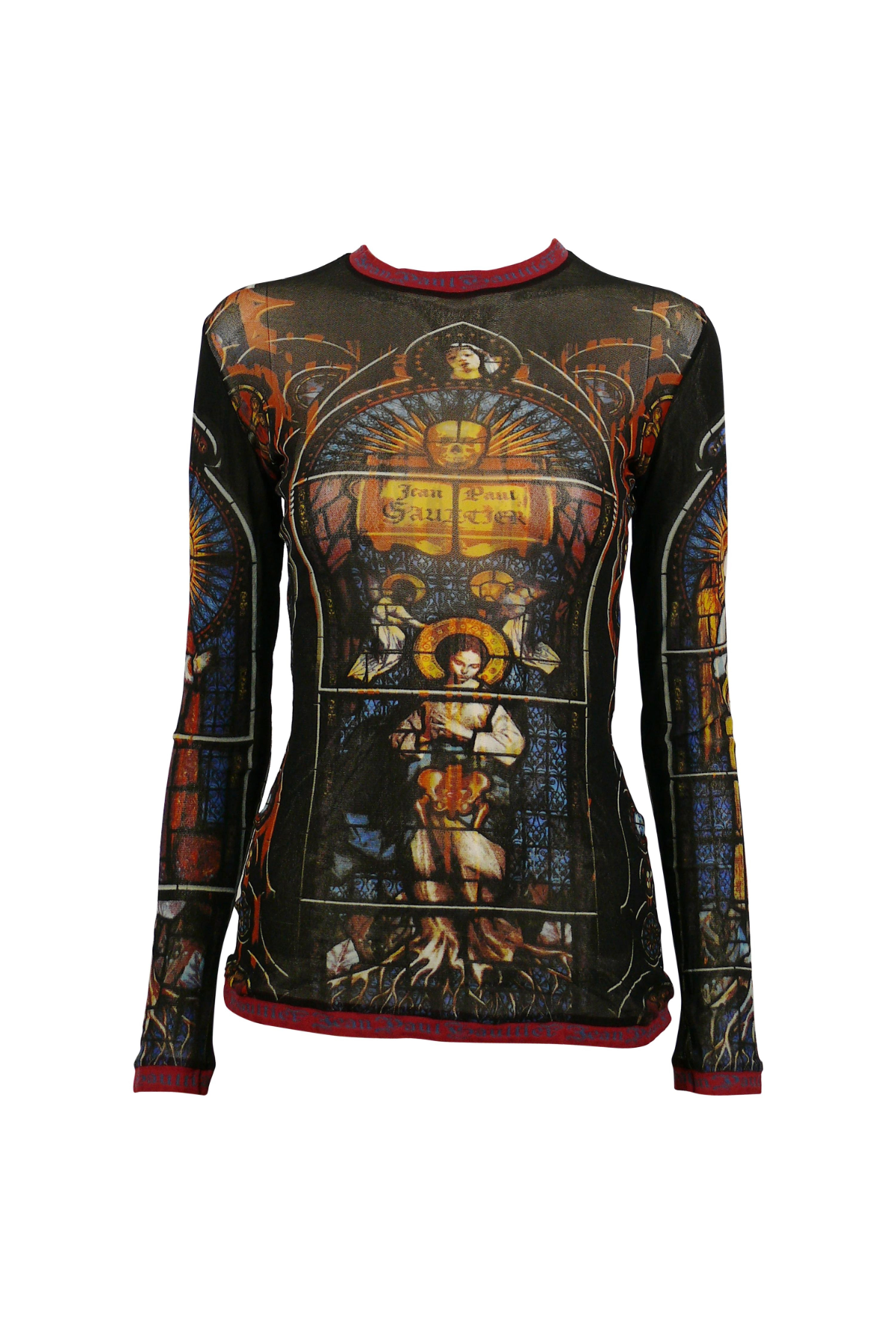
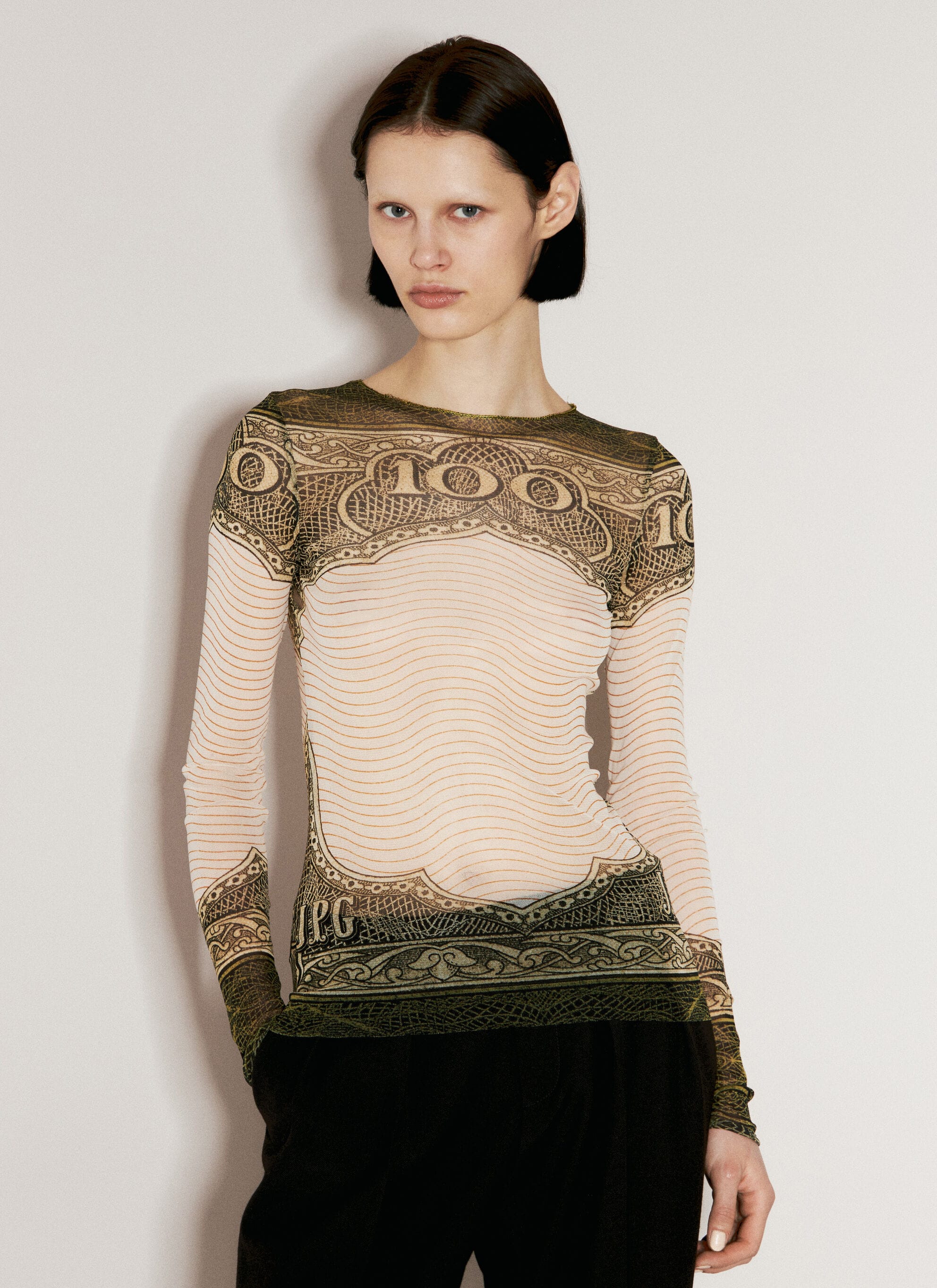
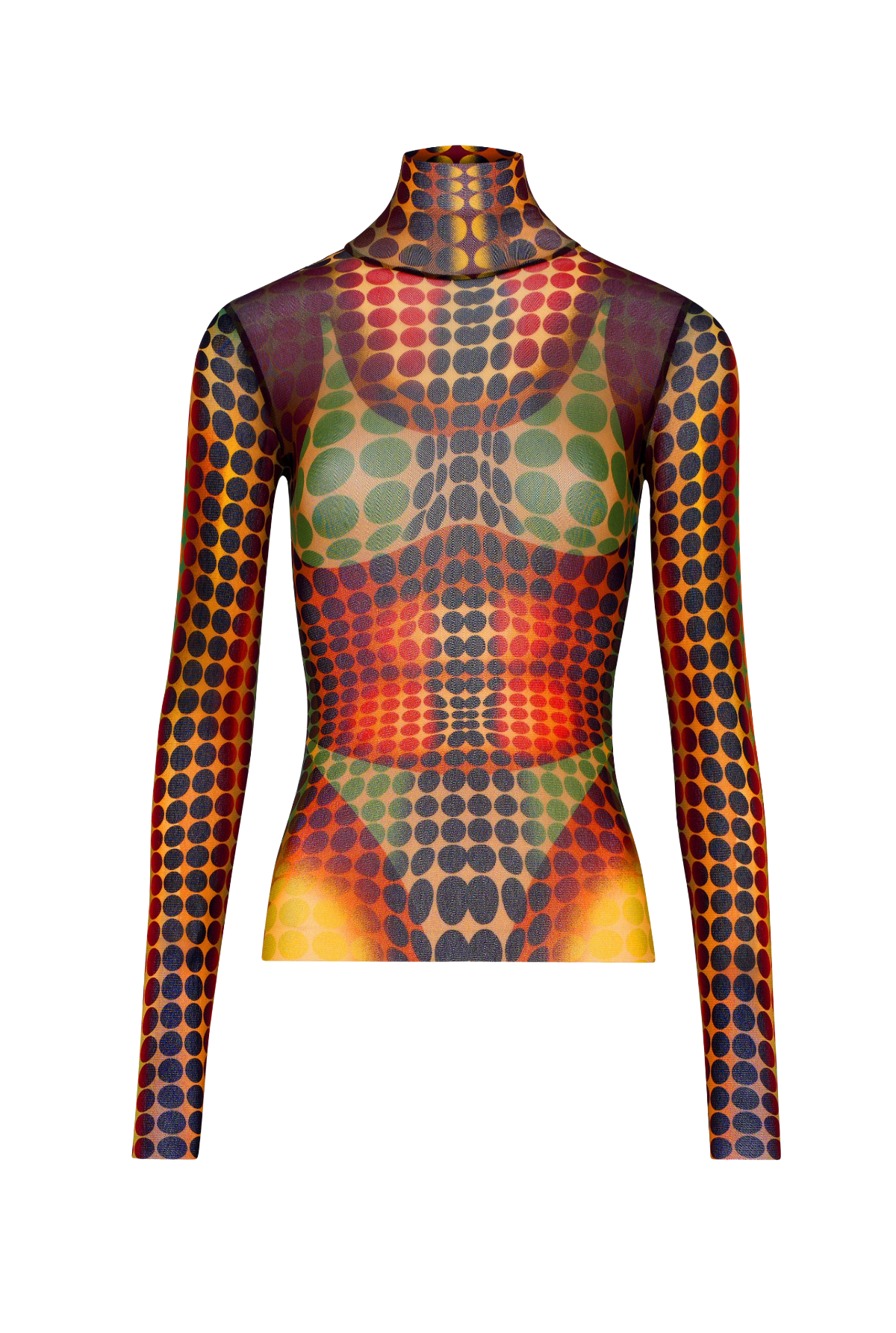
Jean Paul Gaultier vintage Cathedral top, Re-Edition Cartouche top, Re-Edition Brown Dots top
Even without the Gaultier reference, Gap's intentions were clear enough to the haters themselves, and that makes the vitriol a self-own. The mesh collection is premised on our ability to read the fabric as flat mesh and not the chunky knits printed on it, and the detractors saw that instantly.
The Gap Happy Stripe mesh collection was not intended to substitute for the OG knits. Gap Inc.'s creative director Zac Posen designed it for GapStudio, and he writes, "We transformed the original knit into a photorealistic print on ultra-light stretch mesh, creating a collection that feels nostalgic, graphic, and entirely modern."
This open fact contradicts the premise of negative reactions that judge the mesh's fiber content in isolation from its intent, saying the polyester falls short of the Happy Stripe's original wool-blend knit. The mesh is not an imitation of wool. A postcard with the Mona Lisa is not a forgery of the Mona Lisa. Both the mesh and the postcard remix the originals openly. The playfulness is their appeal. The pile-on encouraged dark instincts in crowds to join in with identical insults.
The collection quickly sold out. The assumption behind the public shaming is that audiences want to purchase exactly what they know and lack any curiosity for the fashion history behind it. My experience shows the opposite. I'm lucky to engage with a community that enjoys fashion history, especially when it's relevant to what we're wearing today. There's definitely a crowd that'll pile on to negativity, but they're far from the majority.
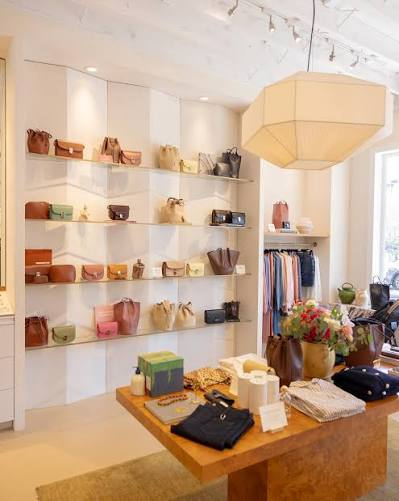
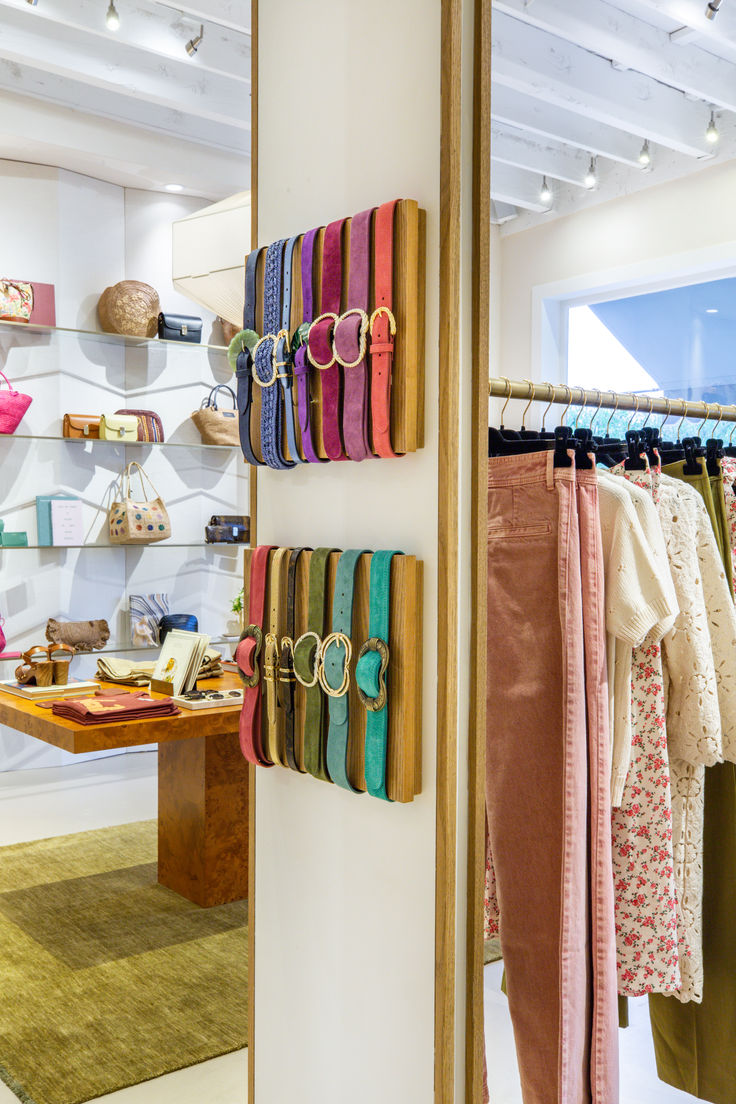
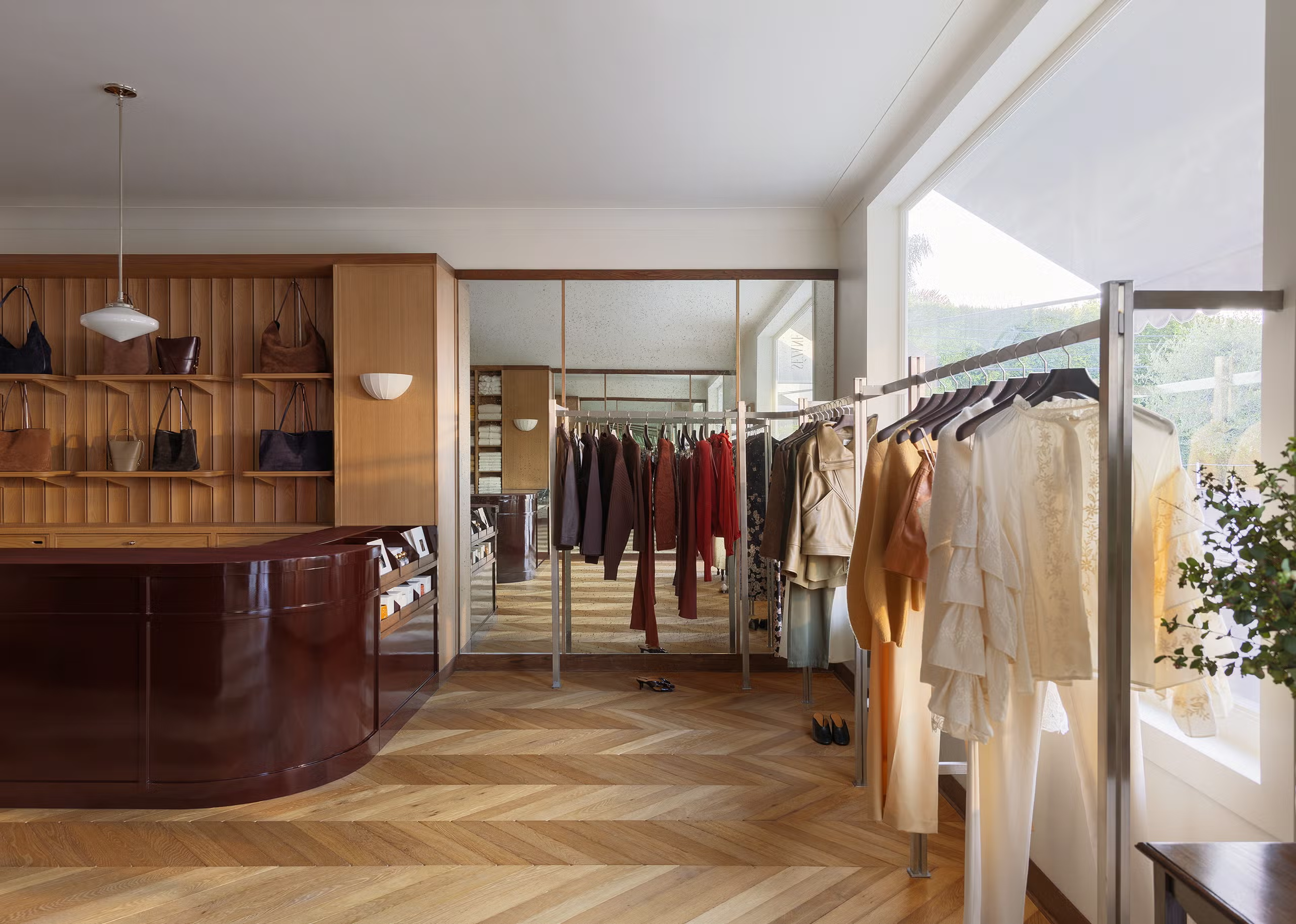
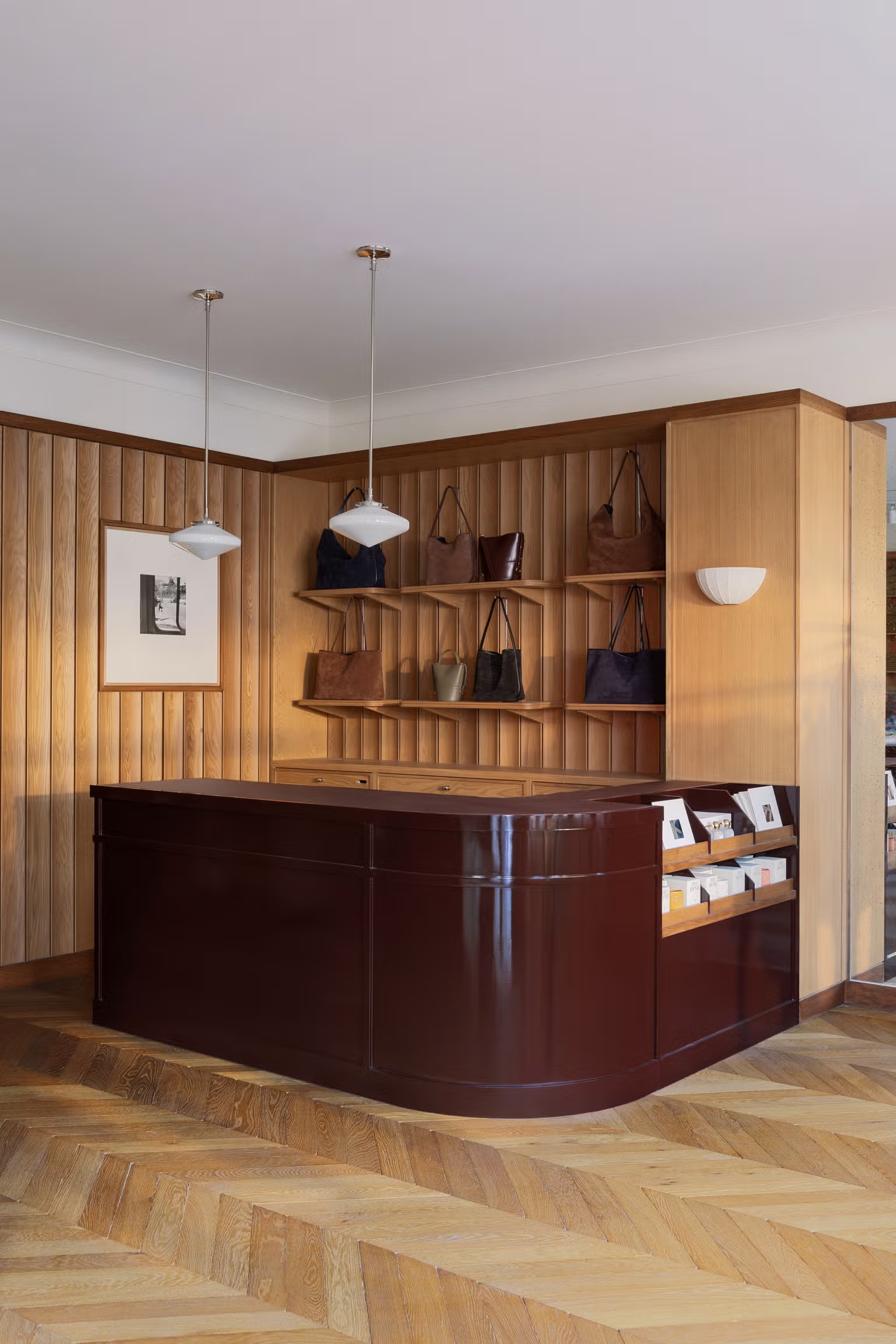
Sézane's store in Brentwood, California: first iteration in the first two images; new look in the second pair of images
Sézane's fall campaign came under fire, too. The brand wiped their Instagram, redid their branding, refreshed some stores, and, most importantly, focused the new collection on a cleaner, more architectural aesthetic. Gone are most of their multi-colored prints, and, instead, Sézane leans more on oversized coats and sweaters. I made a reel last year showing that their aesthetic resembled The Row's, down to the Parisian apartment setting.