
Fall Jackets From Chanel to Uniqlo: Spot the Details That Separate a Good Jacket From a Bad One
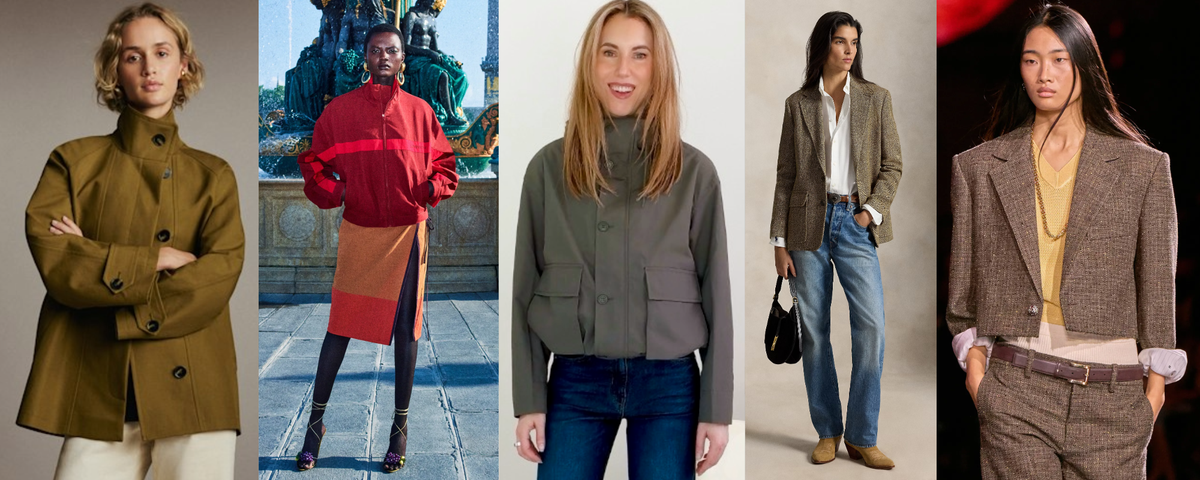
Watch: Blazer Red Flags | Shop: Fall Blazers, Fall Jackets, Trench Coats
I'm honored to be featured in InStyle's Are Clothes Actually Worse Now? An Investigation. Great piece with lots of illuminating research.
Fall is here, if not in weather then at least in terms of fashion. Fall tends to be the big fashion season of the year, when the foundational changes happen – not just colors, finishes, and embellishments, but the actual shapes and proportions that undergird them. It makes sense because we wear more layers in fall/winter than in spring/summer, and these layers need to work together as a cohesive shape.
Watching the fall collections land in shops, I'd say that the runway's gravitational pull is shifting away from quiet luxury. The influence of The Row, Loro Piana, and Brunello Cucinelli is waning, while Chanel, Saint Laurent, and Celine are on the rise. I'm not saying put away The Row, but the current It-bag is the Chanel soft flap. Loro's knits are exceptional, but you'll see more outfits inspired by the overall look at Celine with colorful silk scarves, Western belts, and longer blazers. Fall jackets, then. No other layer defines a look as strongly as a jacket while offering as much versatility.
Blazers & Tailored Jackets
The key blazer shapes are:
- Long and lean like Celine and Saint Laurent; leaner than recent seasons' ubiquitous oversized blazers but not shrunken
- Cropped, one button, strong shoulders like Chanel and Saint Laurent
- Hourglass like Celine
- Decorated as in Napoleon or band jackets, driven more by contemporary brands like Nili Lotan, Isabel Marant, and rag & bone
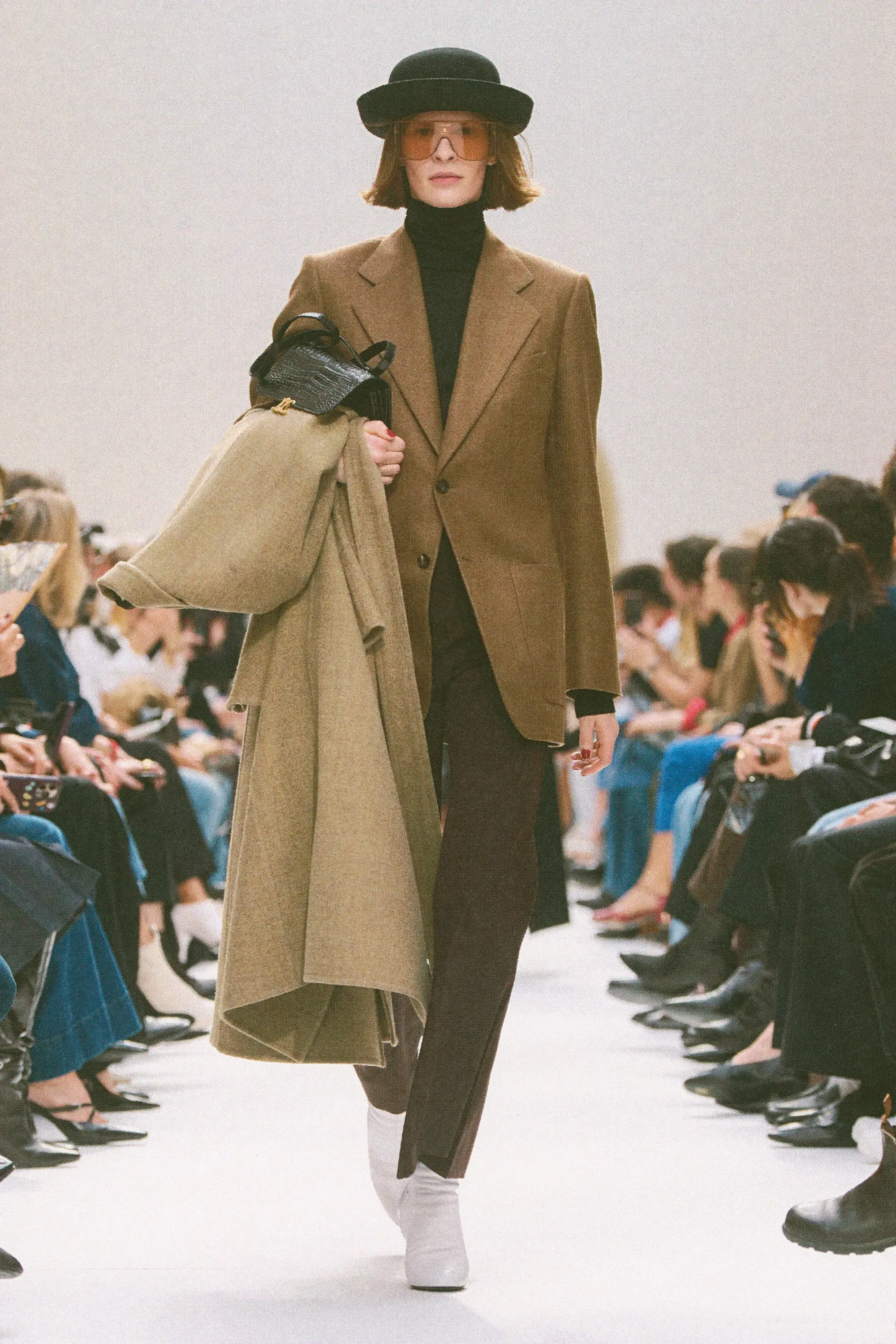
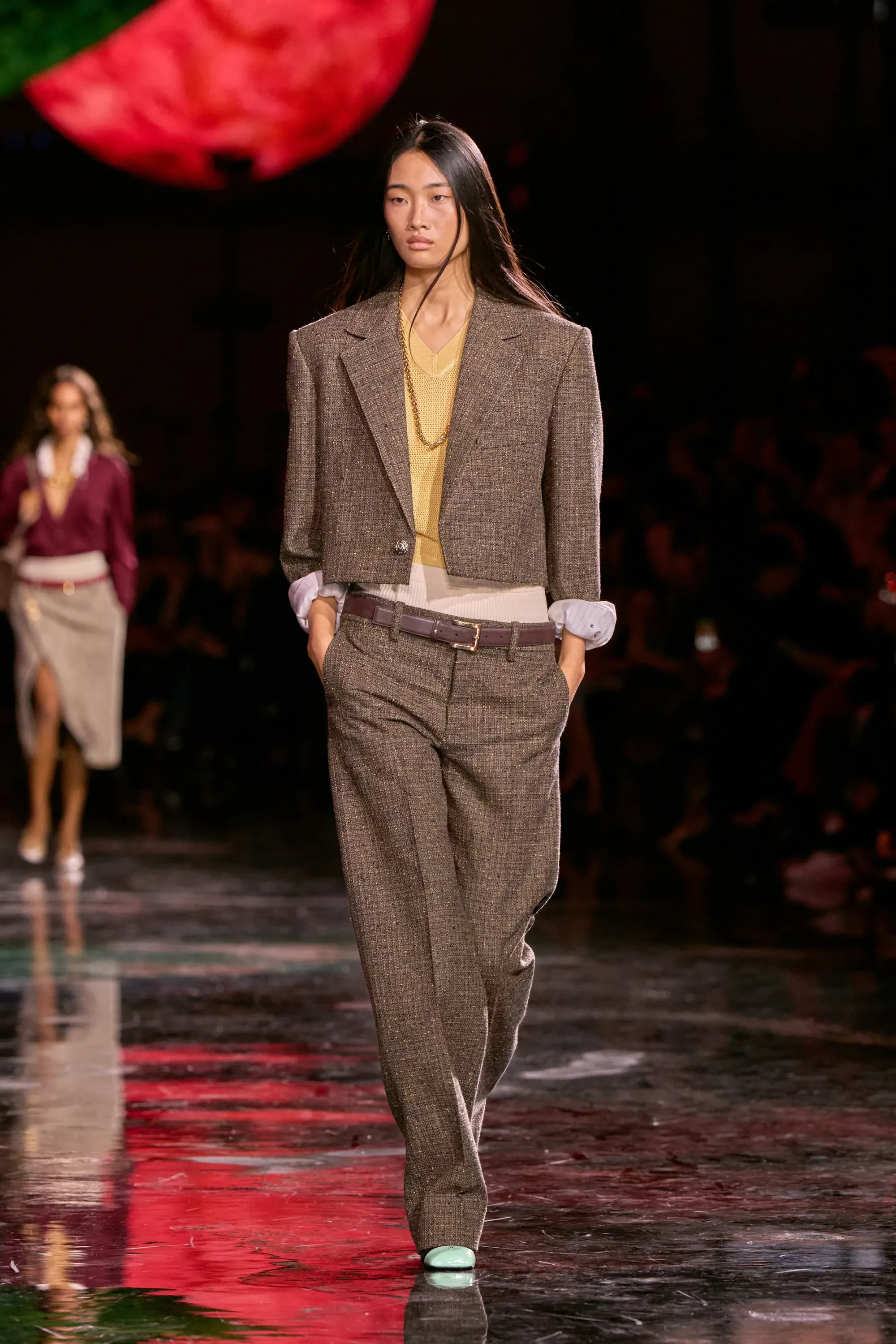
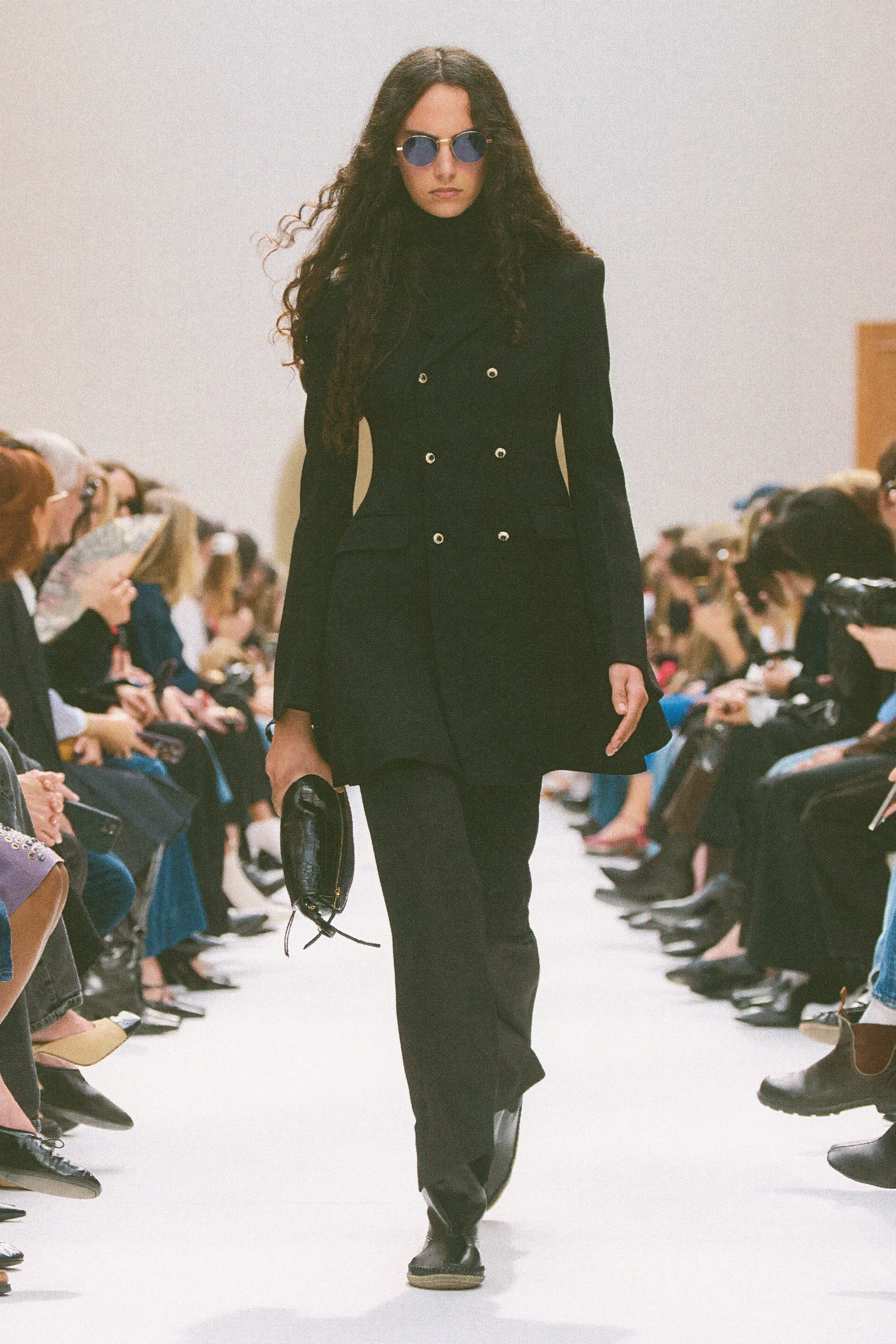
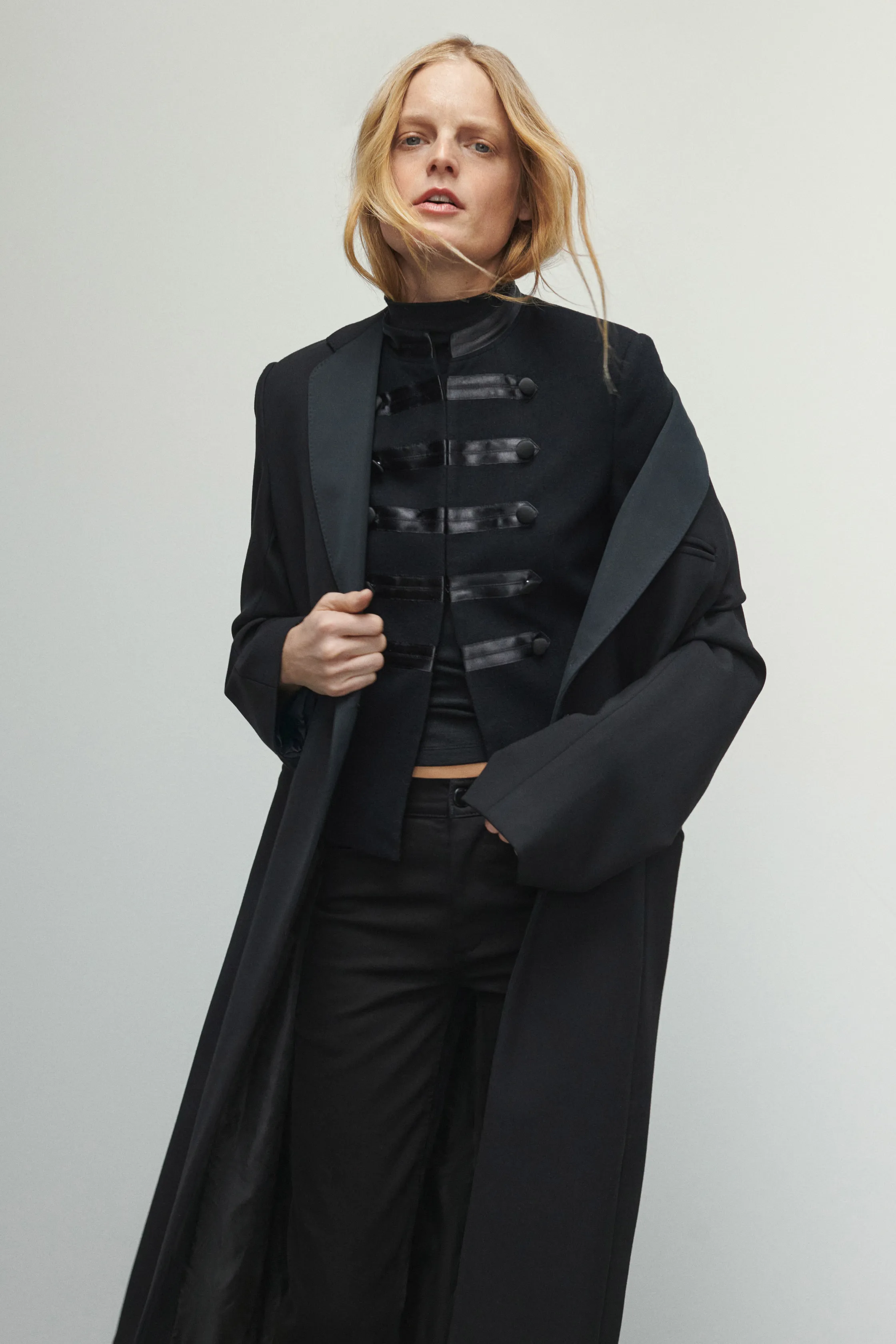
Celine blazer: long and lean; Chanel cropped blazer; Celine hourglass blazer; rag & bone napoleon jacket
Pitfalls
Seam allowance: The extra fabric folded at the seam is called the seam allowance. It's supposed to be smoothed out by tailoring techniques like choosing the correct interfacing, grading the inner layers so they don't build up a thick region, and pressing the lapel gently. Pass on blazers where the seam allowance is visible as a ridge along the edge. Similarly, check that the shoulder pad isn't pressing its borders into a shadowy ridge.
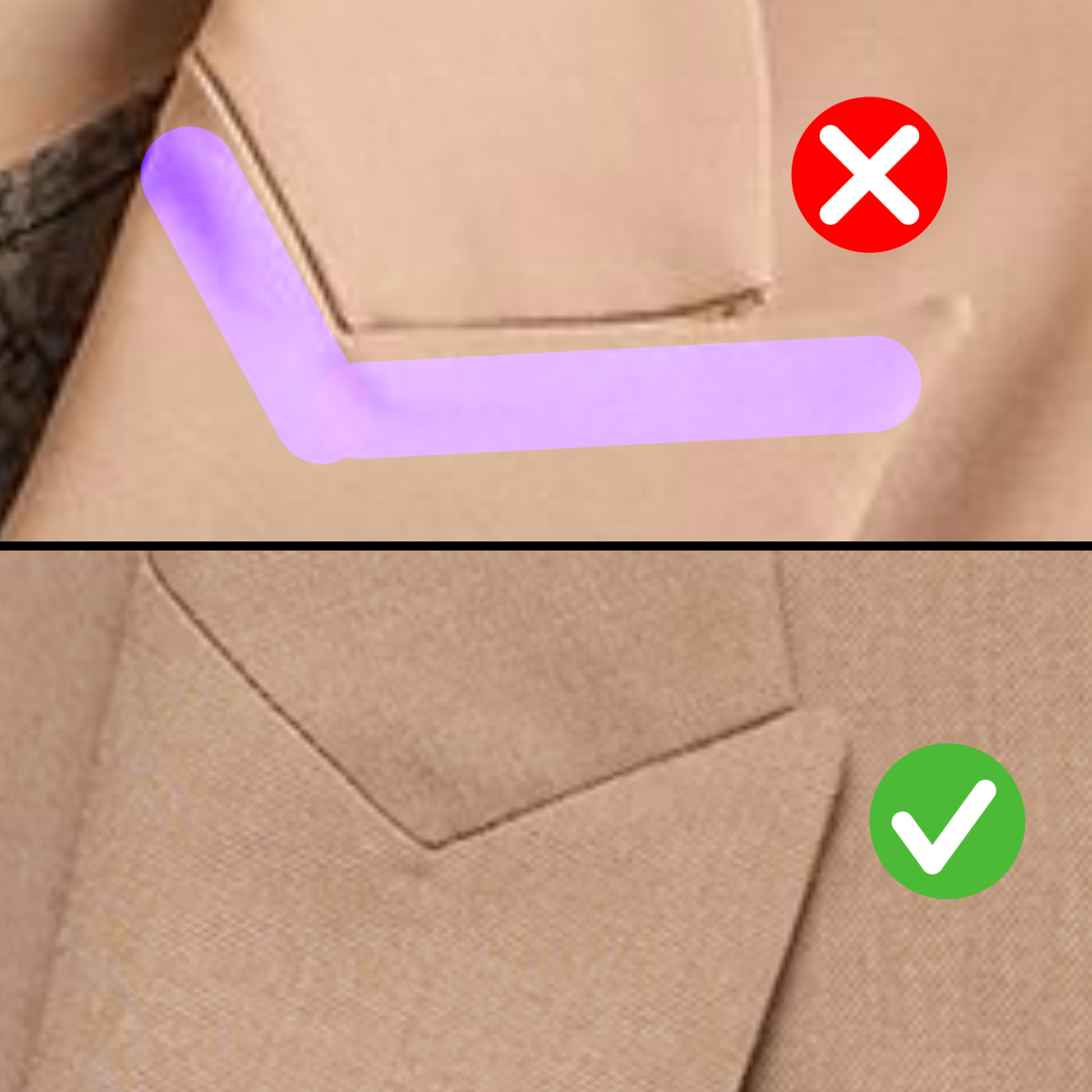
Lapel roll: Look at the way the lapel folds, especially right at the top button. Avoid a lapel that folds chaotically at the bottom rather than rolling in a 3D shape known as the lapel roll. Some blazers can be rescued by ironing the fold flat and rolling it into shape. Specifically, iron dry, low, with a press cloth. Don't steam this area – there may be fused layers inside, and they often warp with high heat and moisture.