
The Double-Faced Coat Guide: Max Mara's Lessons for Any Budget

Watch the Video | Shop My Picks
Max Mara's $6,590 cashmere coat comes with a belt so flimsy their own stylists swap it out for the main photo. Meanwhile, COS delivers structural integrity at $429. Understanding double-faced construction matters more than following luxury logos. These coats represent a specific technical achievement – one that's often obscured by marketing language about "artisanal techniques" and "timeless investment." Let's decode what actually makes a double-faced coat worth your money.
Where Quality Actually Lives: Fabric Composition
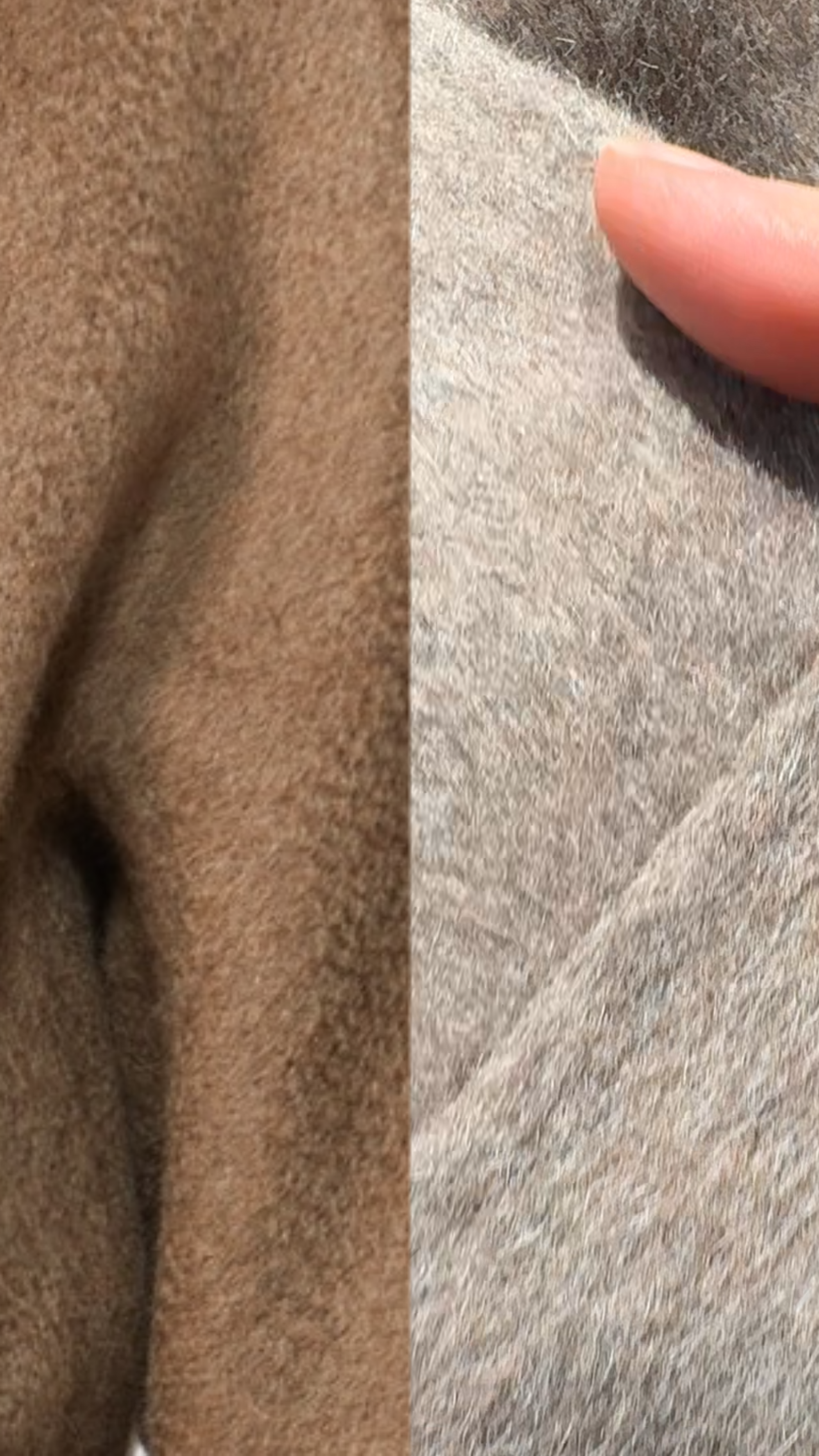
Max Mara's 100% cashmere bears the hallmark of high refinement – those visible ripples and directional sheen come from longer staple fibers and precise finishing. The raised pile, called the nap, creates that characteristic soft surface texture that catches light differently depending on angle.
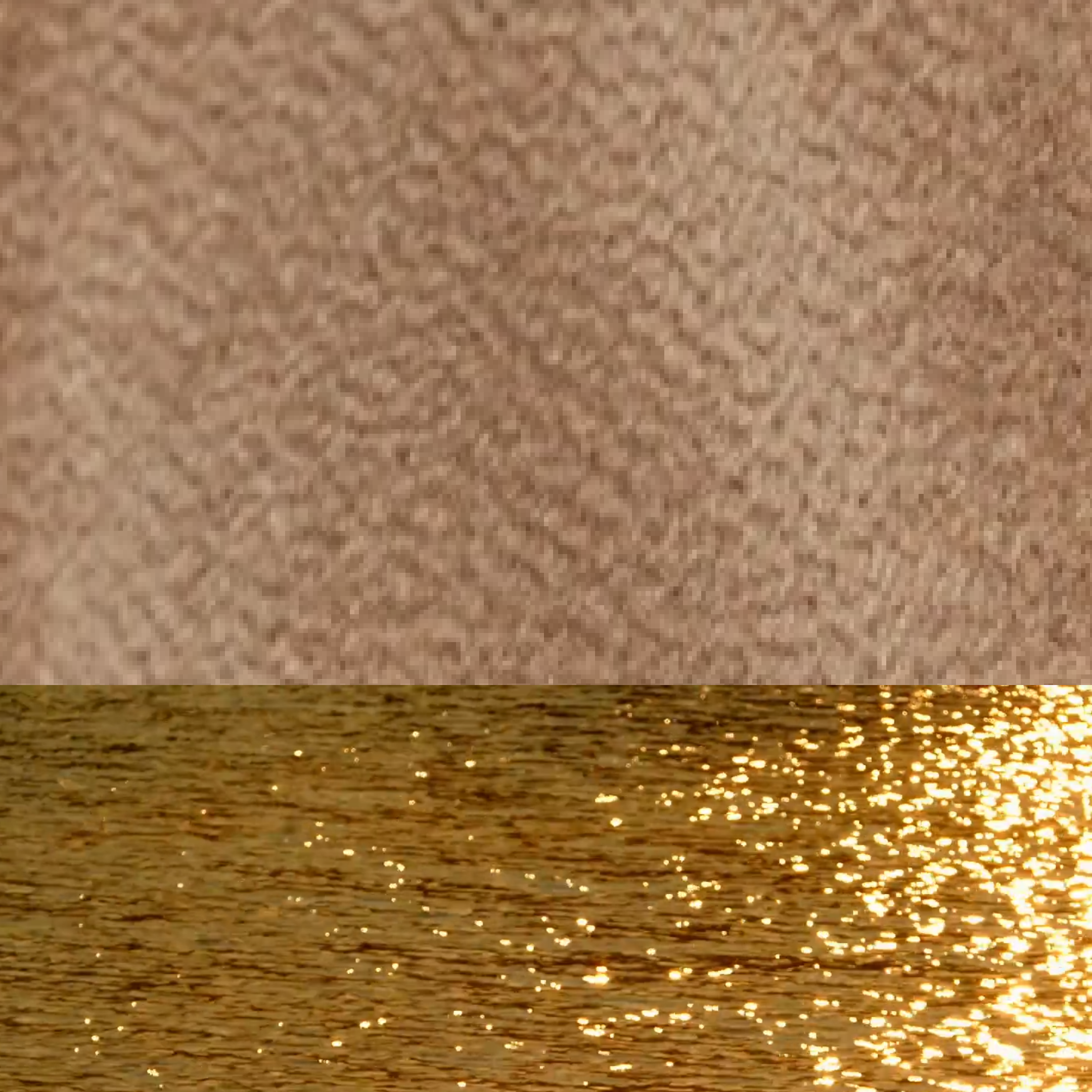
But cashmere isn't the only composition worth considering. COS' 60% wool, 40% Tencel blend demonstrates how strategic fiber combinations create distinct performance at accessible prices. The wool provides body, structure, warmth, and shape retention. The Tencel contributes drape, fluidity, substantial hand feel, and natural luster that mimics silk's sheen. This 60/40 ratio works because wool prevents Tencel from being too limp while Tencel prevents wool from reading stiff or scratchy.
Composition Thresholds That Actually Matter
Not all fiber blends maintain the quality characteristics that make double-faced construction worthwhile. These are the limits where coats lose that supple, luxurious drape –