
Stripes Weren't Always Old Money
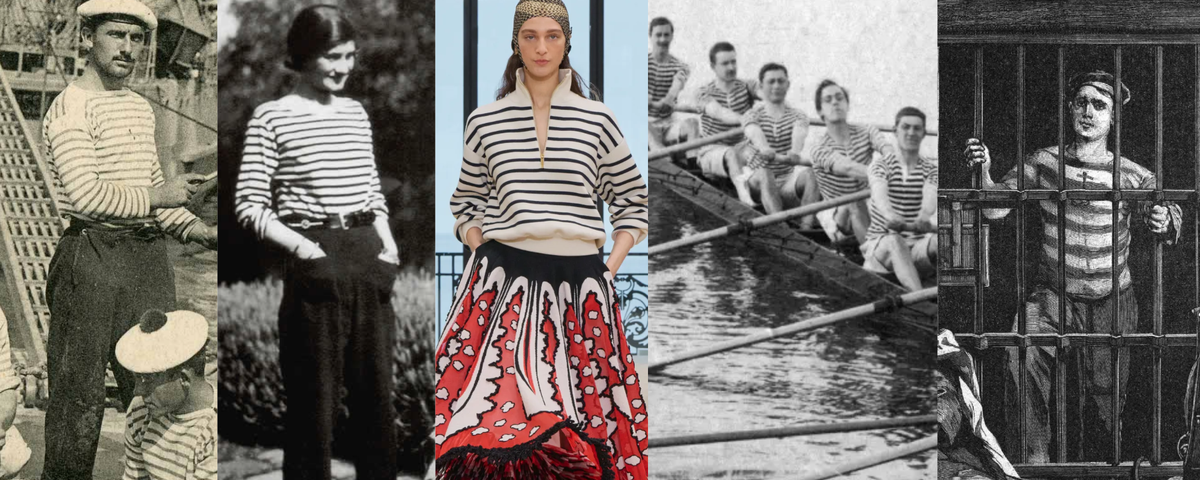
Watch the Video | Shop My Picks
In medieval Europe, stripes meant stigma. They marked the people you were warned about. The pattern was assigned to jesters, prostitutes, executioners, lepers, and the condemned. Painters put the devil in stripes. Judas, too.
Now the same pattern reads as old money: the Breton, the club blazer, the banker's pinstripe. The flip fascinated me, and my search for an explanation actually ended up debunking a couple of myths.
The Devil's Cloth
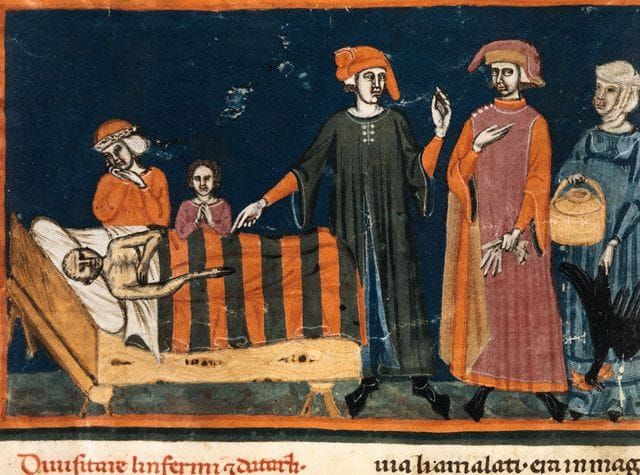
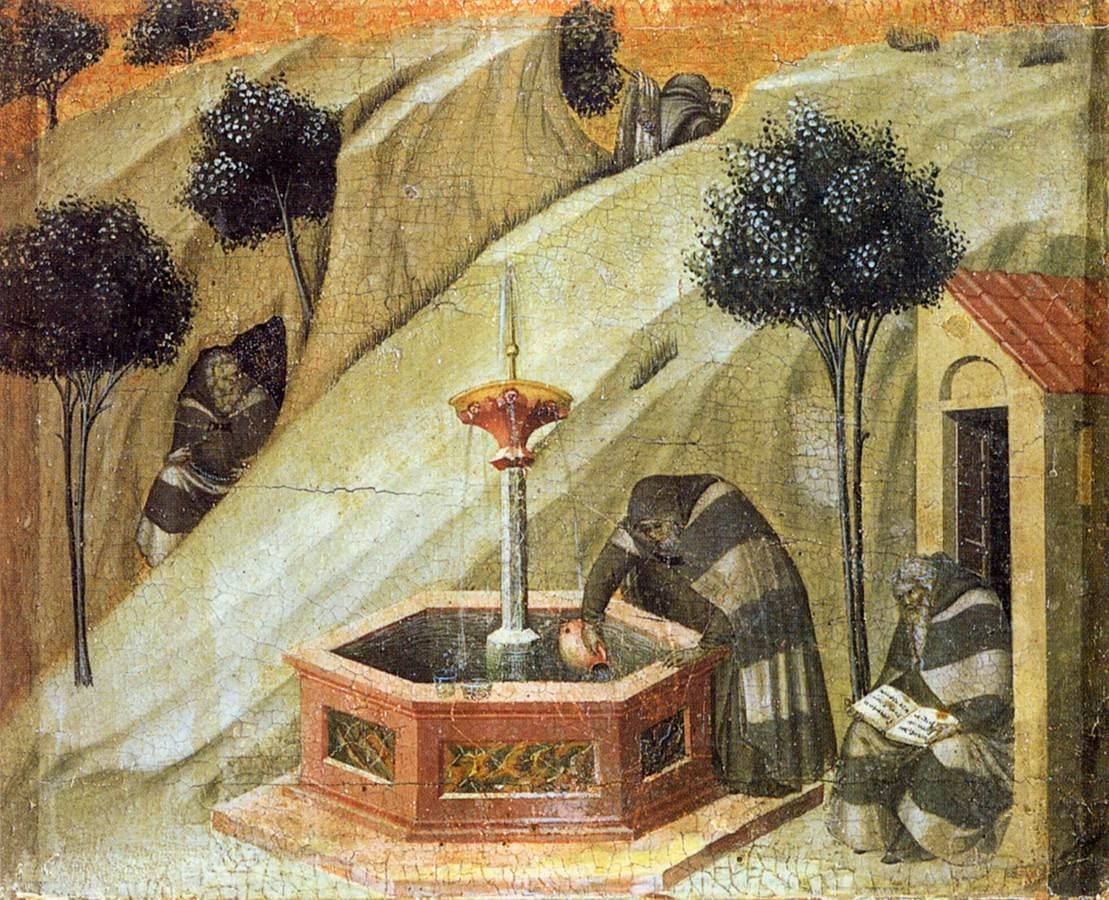
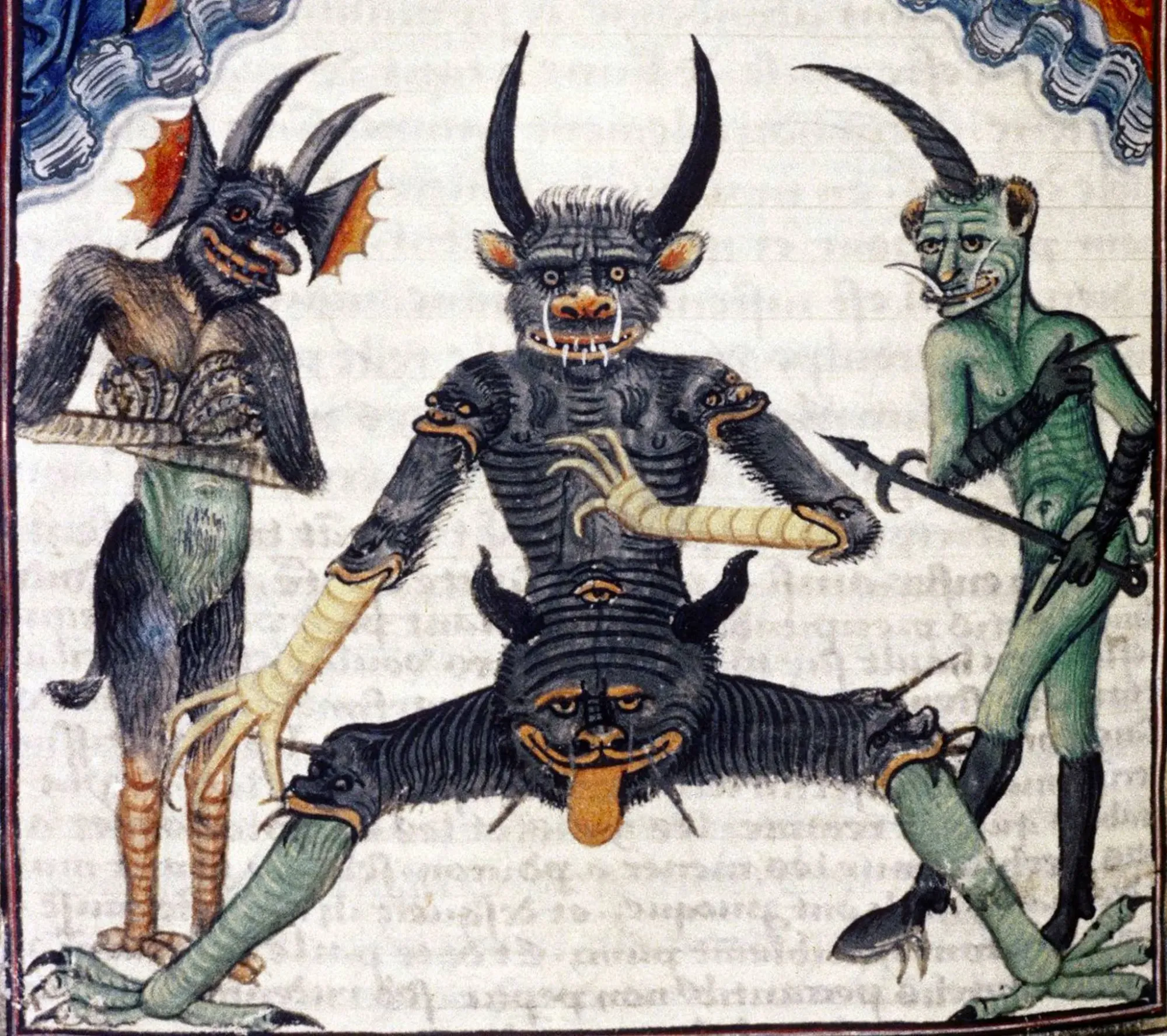
Verona Cathedral fresco depicting doctors visiting a sick man, 14th c; Pietro Lorenzetti Hermits at the Fountain of Elijah, ca 1329; "Lucifer waiting for the Last Judgement" from Livre de la Vigne nostre Seigneur, ca 1450-1470
The art historian Michel Pastoureau traced the stigma in The Devil's Cloth. When the Carmelite order arrived in France wearing striped habits, the scandal ran for decades, until the order was forced into a plain, solid color. Pastoureau's explanation is perceptual: on a striped surface, the eye can't separate figure from background. A culture obsessed with order and hierarchy read that visual disorder as suspect, and the stripe became the badge of people outside the order.
Rehabilitation began with humble connotations. Stripes moved into servants' livery, mattress ticking, and household textiles. These were lowly and utilitarian, but no longer diabolical.
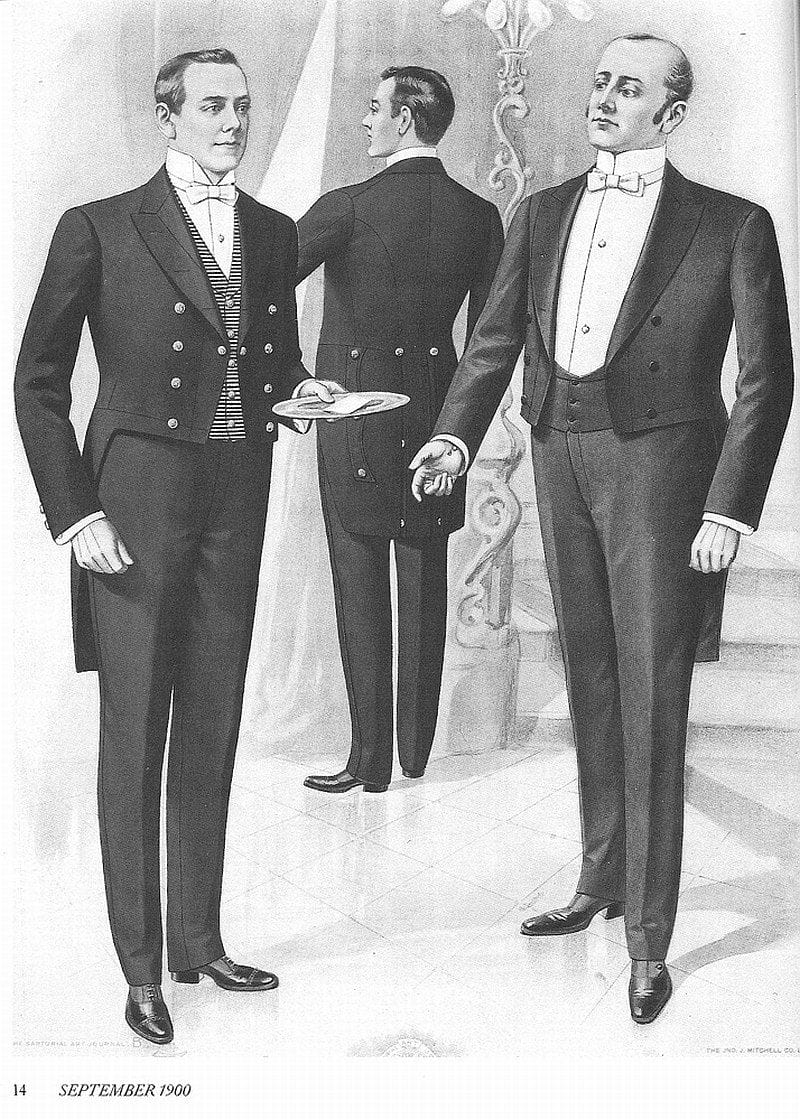
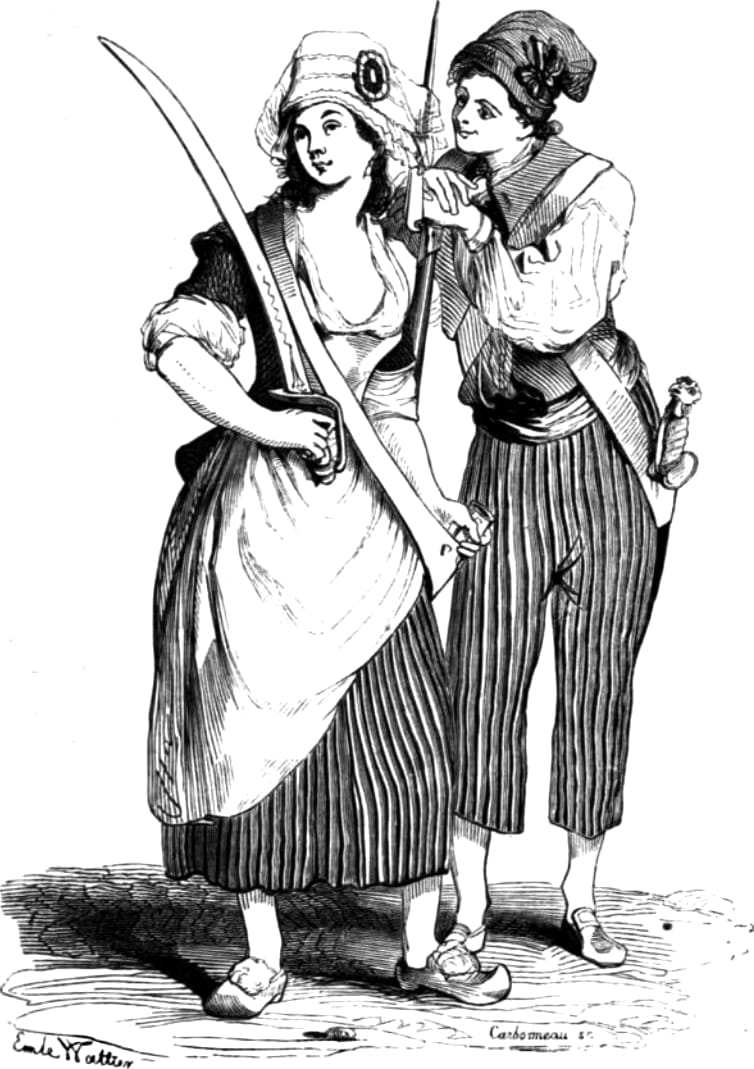
Eighteenth-century revolutions gave the stripe a new symbolic meaning. From about 1775, stripes became the pattern of liberty: flags, cockades (ribbon rosettes), the sans-culottes' striped trousers, and the vogue for striped everything that followed. While this trend departed from the dishonor of the medieval era, it remained with the workingman, not the aristocrat, and it marked political allegiance. The fever passed with the politics, and through the nineteenth century, status in dress still ran plain; a gentleman's shirt was white, and stripes stayed in the sport-and-country wardrobe.
The old stigma never fully lifted, though. The striped convict suit was an innovation of New York's Auburn Prison in the 1820s – a uniform that branded the wearer and made an escapee impossible to miss in a crowd. The medieval marking logic, institutionalized. That's where things stood when the fashion story supposedly begins.