
Match Your Shoes to Your Jeans for Free Tailoring
Watch the Video | Shop My Picks
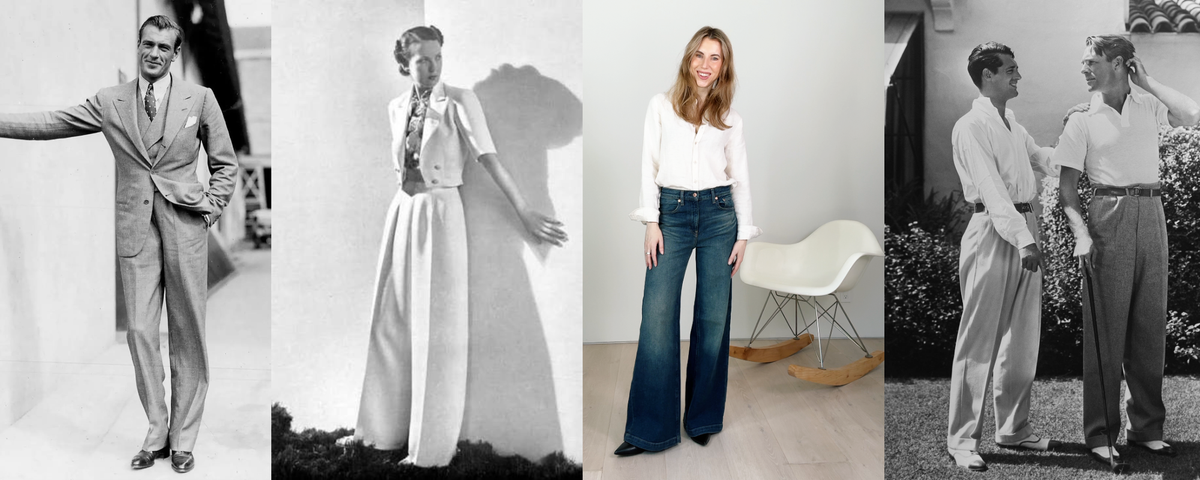
Tailoring is the standard answer to what makes clothes look expensive. You've heard it a million times: fit is central to polish, and the wealthy have everything tailored. This advice was developed for suiting, yet most modern wardrobes center on jeans and knits. But the rule with the highest return does transfer. The hem rule is not expensive, nor does it require highly specialized sewing skills, and yet it makes the same impact on both a $60 jean and a made-to-measure trouser in cashmere.
The Fails
A too-long hem is easy to diagnose. The back edge drags, sometimes long enough for you to step on it. Denim pools over the shoe, sometimes getting stuck over the toe.
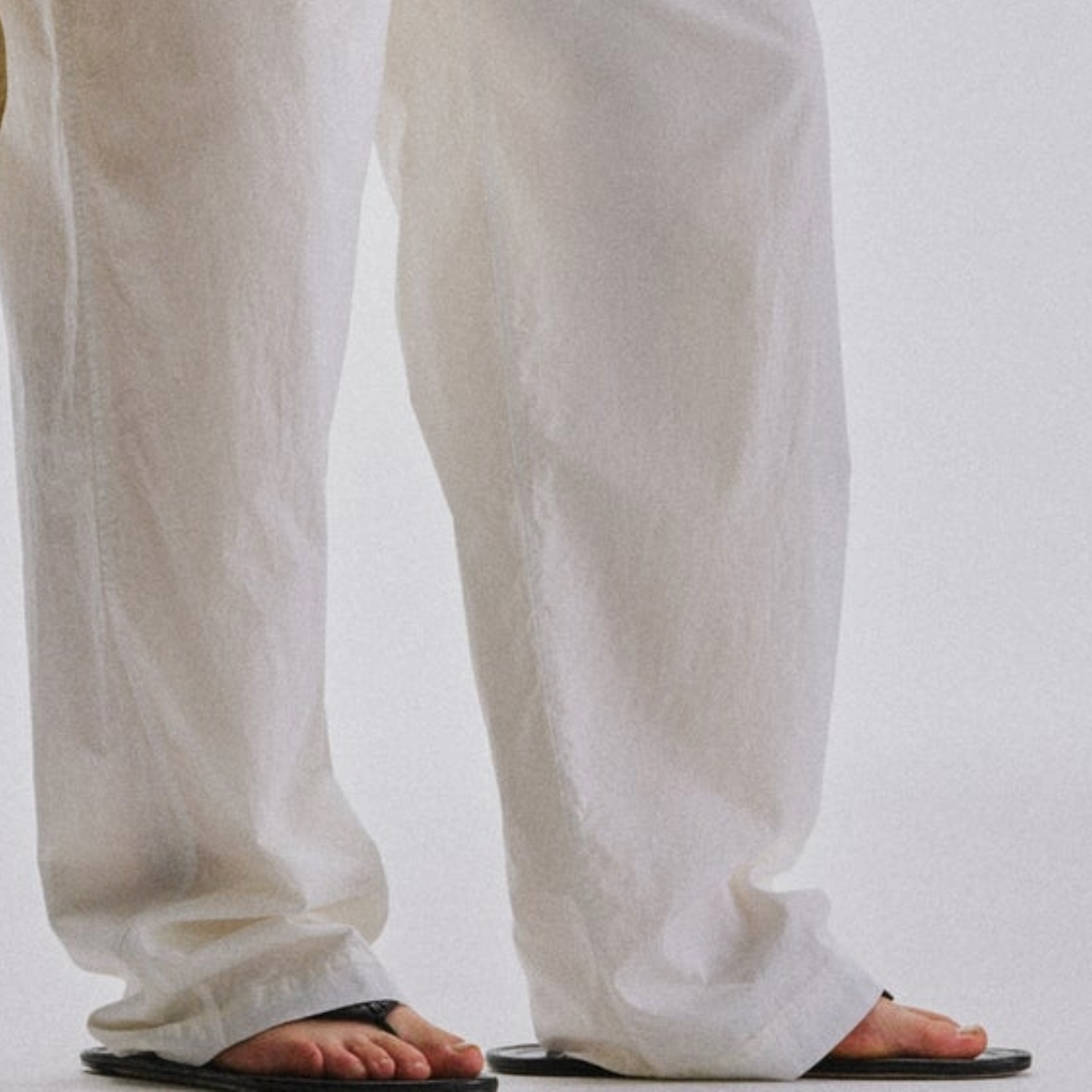
Too short is trickier to identify because it sits so close to the correct length, and because we typically just stare down at our feet rather than viewing them in the mirror from a distance. A too-short hem stops just above the foot and hovers there awkwardly, too long to be a crop and too short for full length. That gap reads unsophisticated regardless of fabric, finish, price, or brand.
Where the Hem Should Land
In front, the hem sits at the top of the foot. In the back, it hangs just above the ground. Tailors have finished trousers this way for about a century, and the standard has survived the trend cycles. It solves a real problem: the front of the foot swings up and down when walking, shortening and lengthening the distance from hips to the ground. Pants look more polished with a long line from the waist all the way down to the shoe. A too-short hem creates a gap between the hem and the foot, and this gap breaks the line.
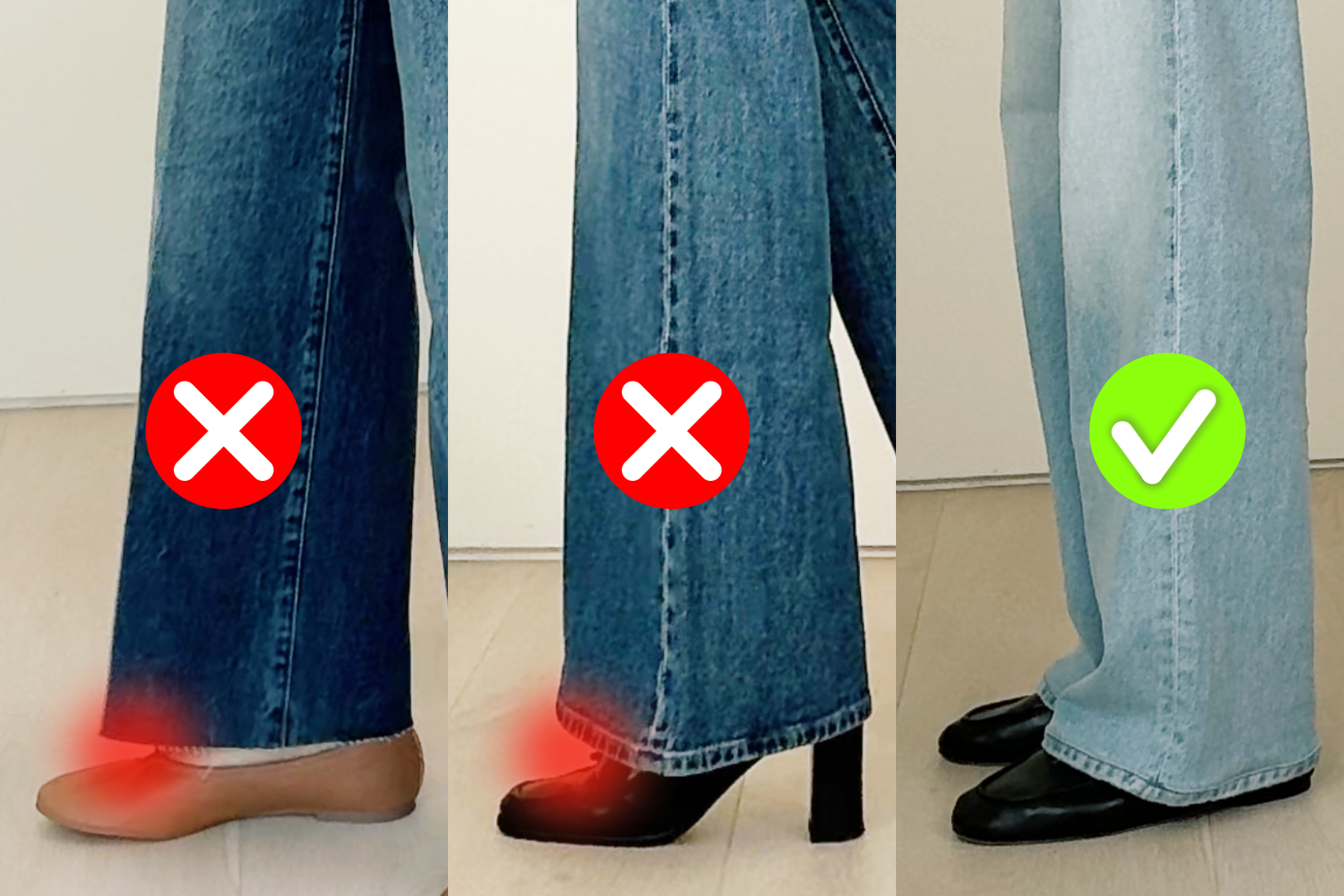
Within the rule, the details adjust to the exact cut. Wide leg openings end up closer to the toe; narrower legs hit closer to the ankle. A soft fold in front called the break is one polished finish; a clean, straight line on a slightly shorter pant is another.